


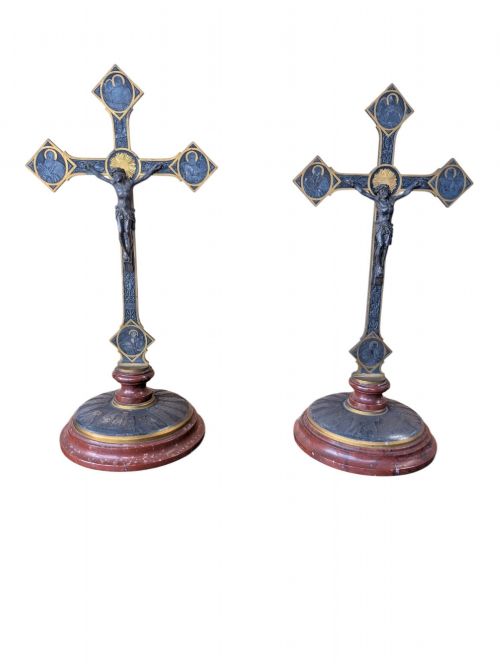
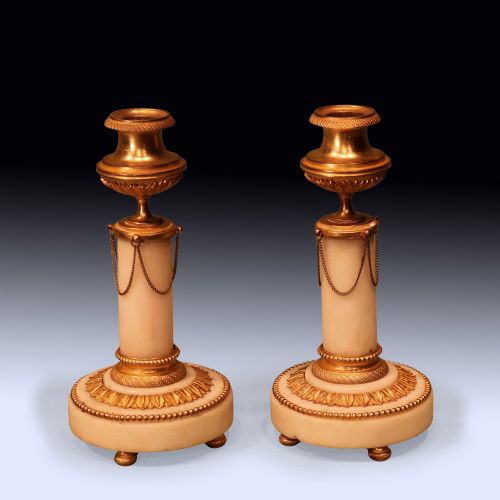
French Gilt Brass Stand
A french gilt brass stand brings continental weight and warmth to a room, pairing cast metalwork with marble, glass, and mahogany.
French Gilt Brass Stand
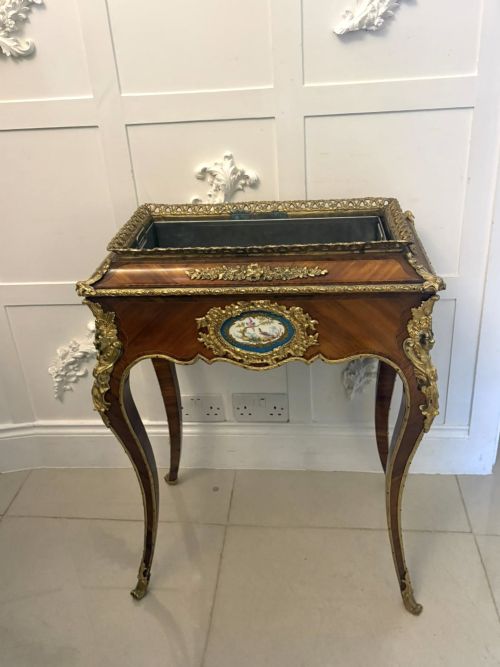
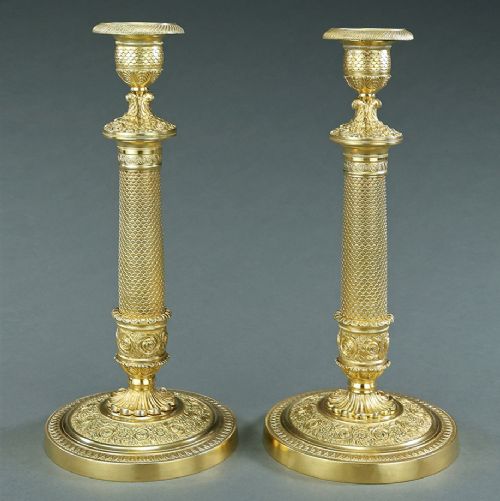
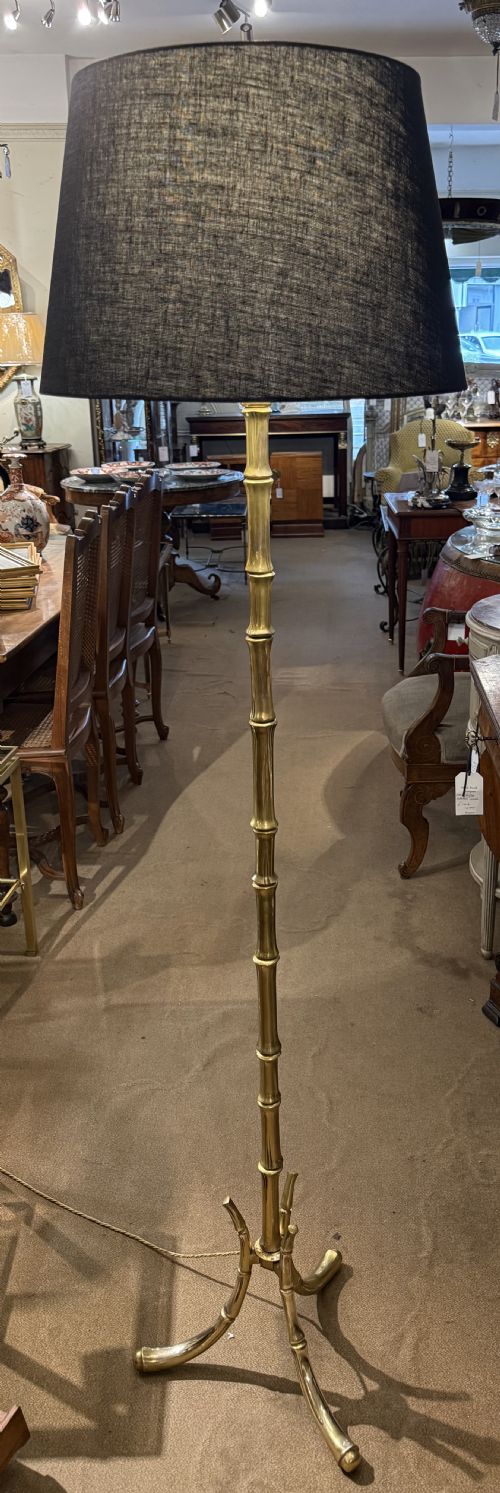
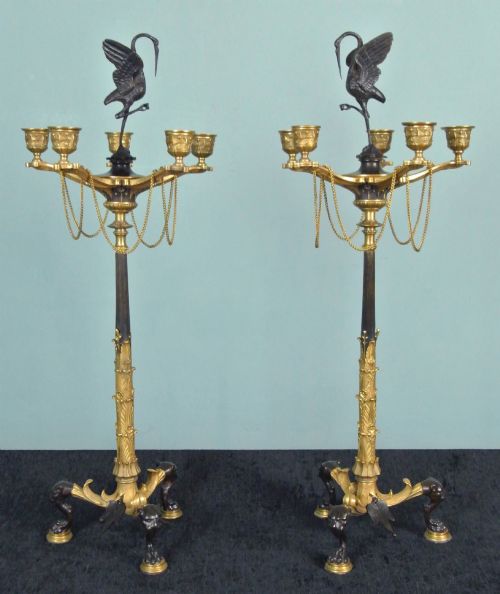
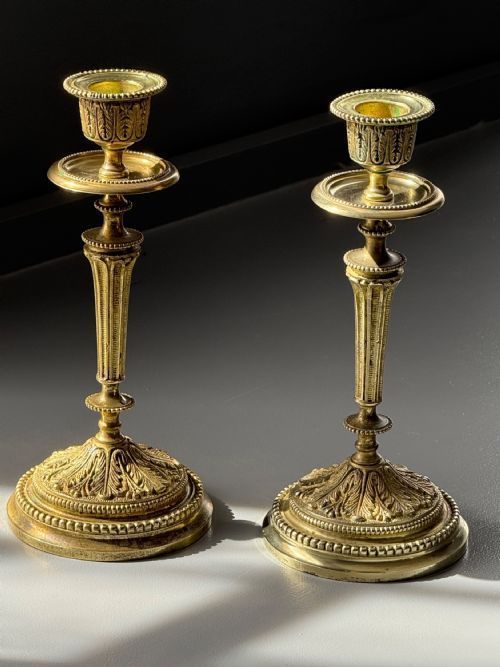
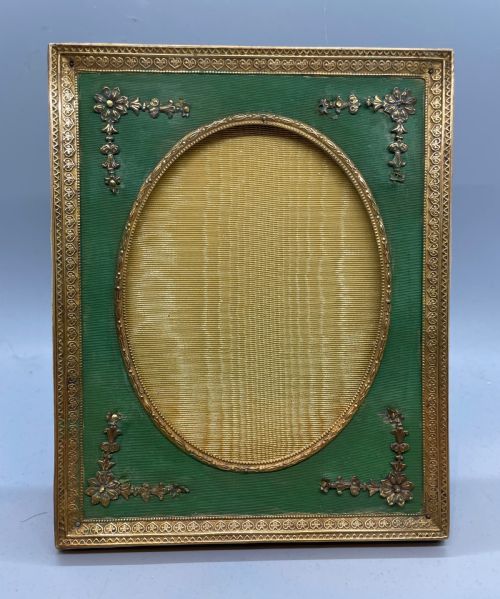
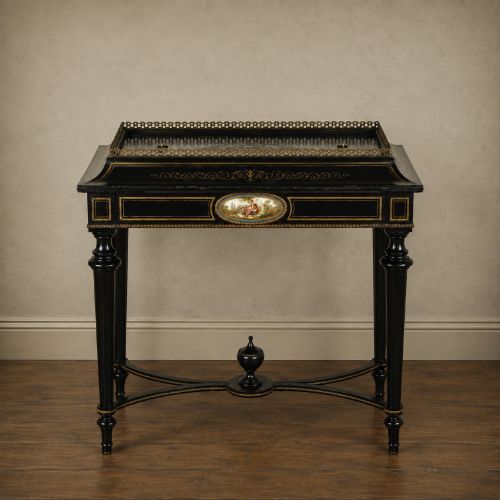
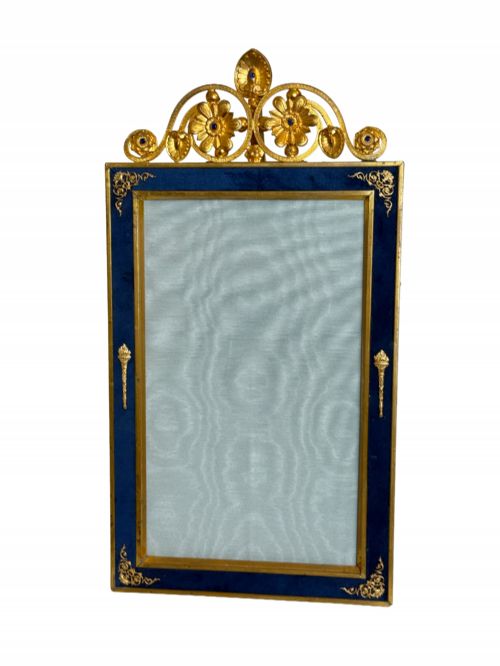
When you search for a french gilt brass stand, you are looking at pieces designed to display, illuminate, or support, ranging from side tables and jardinières to candelabras and picture frames. These decorative items frequently date from the nineteenth century, drawing on French Empire, Rococo, and Louis XVI styles.
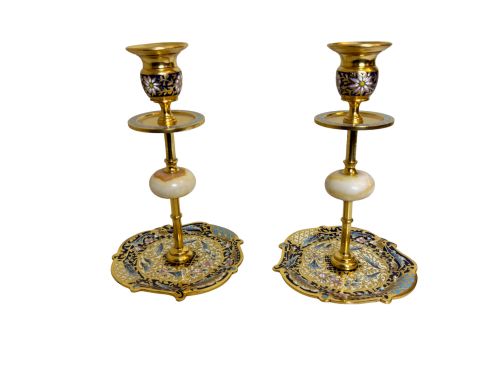
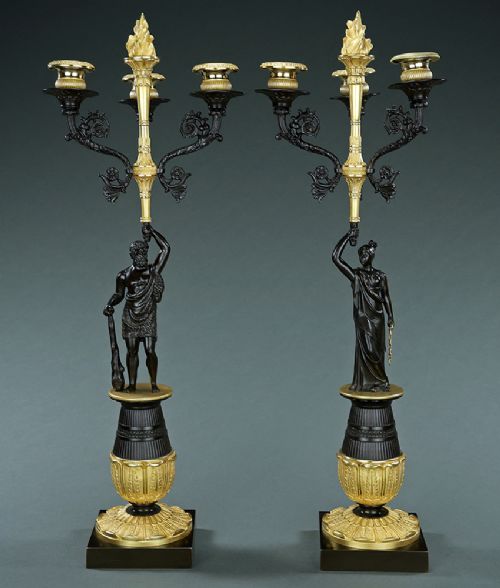
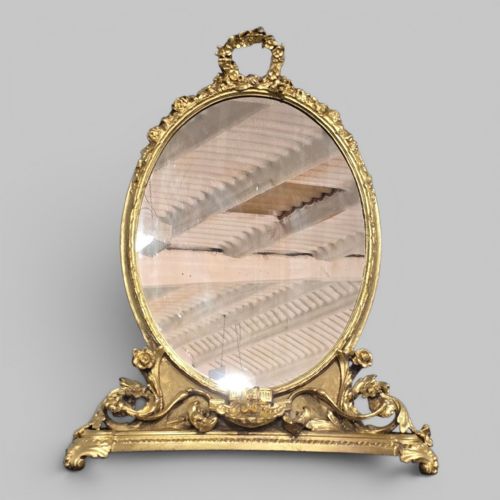
The objects combine cast brass, ormolu, and gilt bronze with contrasting materials such as white marble, onyx, ebonised wood, and painted porcelain plaques. Candlesticks, candelabras, and desk mirrors appear alongside occasional lamp tables and display stands.
Originating largely from nineteenth-century workshops, these pieces reflect historical revivals spanning from Regency and Napoleon III periods to Edwardian interpretations of classic French design.
How they were made
The construction of these pieces relies on metal casting, where bronze and brass are shaped into ornate mounts, frames, and figural supports. Artisans then applied fire gilding or ormolu techniques to impart a rich golden surface to the bronze components.
Many examples incorporate structural elements of mahogany, ebonised wood, or white marble, joined to the cast metalwork with threaded pins and screws. Details such as champlevé enamel, onyx insertions, and painted porcelain plaques were hand-set into the metal frames.
Listings feature materials spanning gilt bronze, brass, ormolu, glass, marble, mahogany, and bronze across multiple French decorative forms.
What varies in quality
The standard of a piece depends heavily on the crispness of the metal chasing and the depth of the original gilding. Finer examples display sharp relief in cast motifs like acanthus leaves and figural scenes, whereas simpler items show softer, shallower detailing.
Material combination also elevates a work, such as pairing heavy gilt bronze with genuine white marble, onyx bases, or inlaid porcelain plaques rather than relying purely on lighter gilt brass or plated metal.
Maison Bagues·Barbedienne·Abel Landry
The French Gilt Brass Stand Glossary
- Ormolu
- Gilt bronze produced by applying a mercury and gold amalgam to a bronze base and heating it to drive off the mercury. This technique creates a durable, warm golden finish seen on many nineteenth-century French decorative objects.
- Champlevé
- An enamelwork technique where troughs or cells are hollowed out of the metal surface and filled with vitreous enamel powder before firing. The resulting coloured patterns sit flush with the surrounding gilt metal.
- Jardinière
- A decorative stand or container designed to hold potted plants or floral arrangements. In nineteenth-century French pieces, these often feature porcelain plaques and ebonised wood.
- Tazza
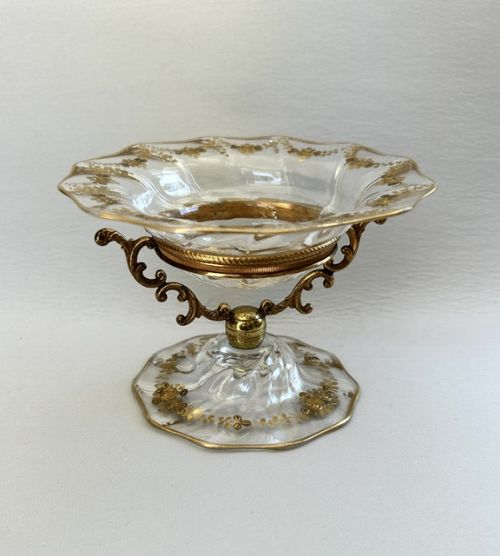
- A wide, shallow cup or saucer mounted on a stem and foot, used for display. These metal vessels frequently appear in French Empire designs.
- Gilt Bronze
- An alloy of copper and tin coated with a layer of gold. It provides the heavy structural foundation for many elaborate nineteenth-century candelabras and picture frames.
French Gilt Brass Stand: Frequently Asked Questions
What periods do these stands and metal objects come from?
The pieces span across the eighteenth, nineteenth, and early twentieth centuries, with a strong concentration in the nineteenth century. Styles frequently echo earlier periods such as Louis XVI, French Empire, and Rococo Revival.
Maker dates and revival eras overlap, meaning nineteenth-century interpretations often faithfully replicate eighteenth-century aesthetic codes using traditional casting methods.
How do I clean and care for ormolu and gilt brass?
Maintenance requires only gentle dusting with a soft, dry cloth to prevent the accumulation of grit in recessed chasing. Avoid all chemical polishes, abrasives, and water, which strip away the thin layer of historical gilding.
Keeping the pieces away from direct sunlight and damp environments helps preserve the integrity of the underlying bronze and any accompanying marble or wood elements.
How do I tell original nineteenth-century pieces from later copies?
Original pieces display hand-chased surface details where the metalworker has refined the cast with small chisels and punches. Construction methods, such as hand-cut screws and heavy bronze or brass weight rather than lightweight pot metal, point to period authenticity.
Patina also plays a role, showing natural signs of age and wear within the recesses of the gilding rather than uniform modern plating.
What materials are commonly paired with the gilt metal?
Makers frequently combined gilt bronze and brass with white marble, onyx, mahogany, and ebonised wood to add structural contrast and weight. Some decorative items also feature champlevé enamel or painted porcelain plaques set directly into the metalwork.
Table mirrors, desk stands, and candelabras regularly integrate bevelled glass or patinated bronze alongside the brighter gilt elements.