


Italian Carved Pedestal Table
An italian carved pedestal table brings dramatic continental flair to a room, offering rich timber work and classical form.
Italian Carved Pedestal Table
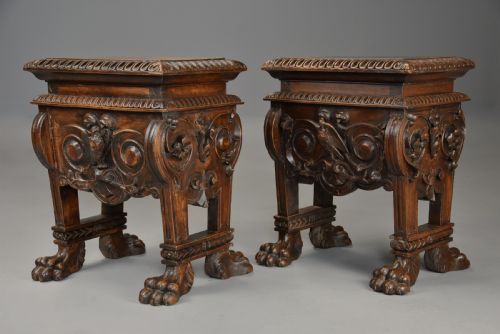
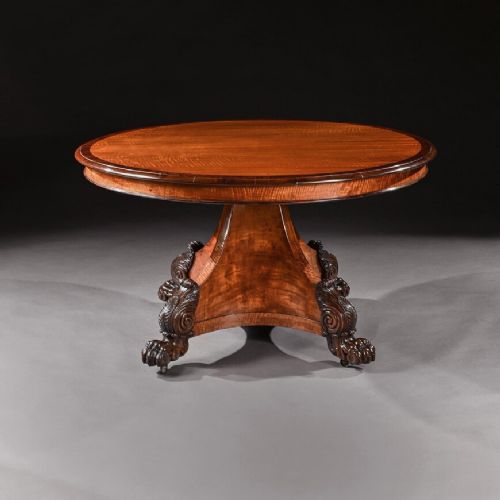
An italian carved pedestal table combines heavy sculptural timber bases with circular or rectangular tops, often designed as centre pieces or occasional furniture. These items draw heavily on regional traditions like Venetian Baroque and Florentine craftsmanship, appearing frequently from the eighteenth and nineteenth centuries.
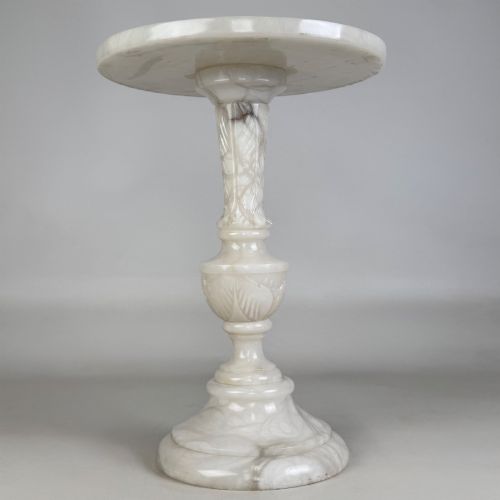
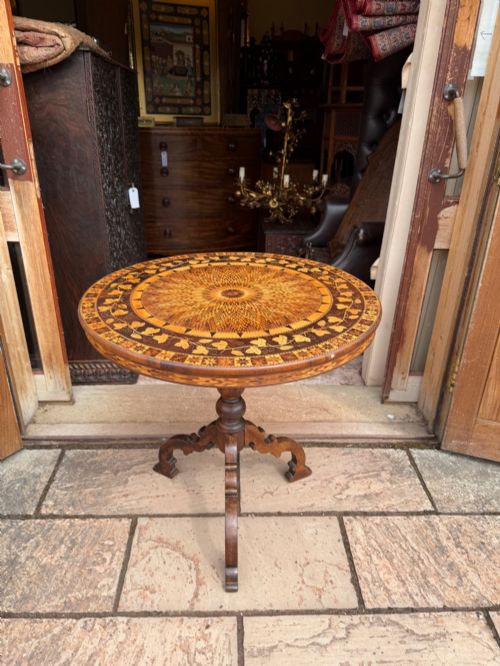
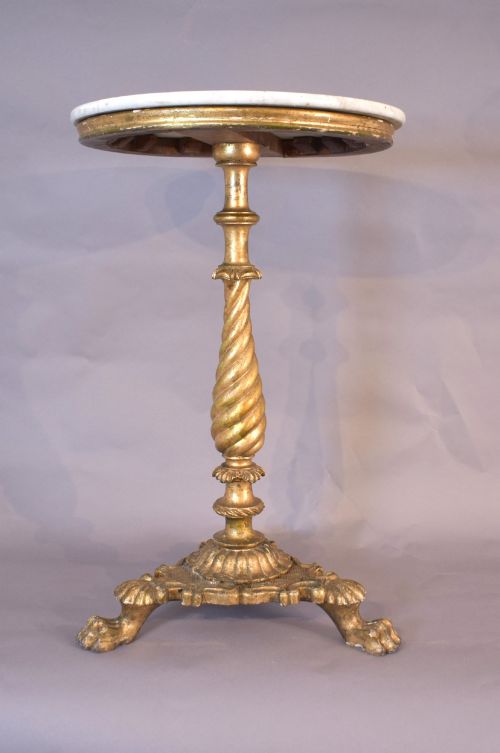
Buyers encounter walnut and giltwood structures most often, frequently topped with marble or detailed marquetry. Forms range from tripod tables and tilt tops to elaborate figural stands and marble-topped specimens.
Assessing Craftsmanship
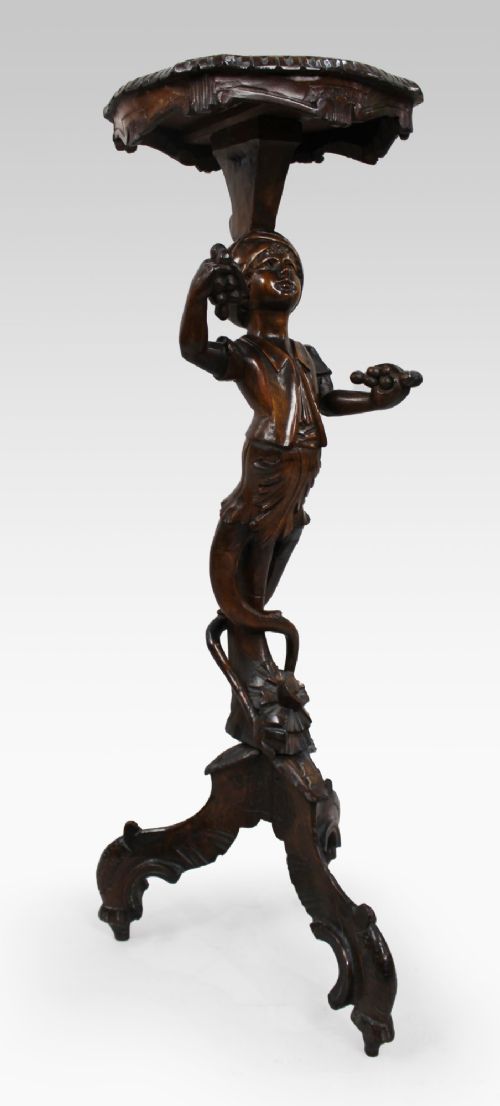
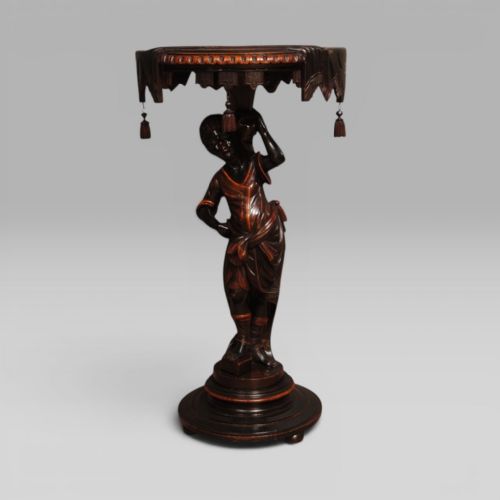
The depth and animation of the woodcarving separate standard utility pieces from exceptional sculptural examples, particularly where figures or swans form the central support. Crisp chisel work and fluid movement in the timber indicate superior hand execution by skilled artisans.
The precision of the stone inlay and the integrity of the timber base dictate overall excellence. Original painted surfaces, intact gilt layers and tightly fitted marble or pietra dura tops elevate the standing of a piece.
The listings feature diverse materials including walnut, marble, giltwood, alabaster and olive wood across the eighteenth and nineteenth centuries.
Peters of Genoa
The Italian Carved Pedestal Table Glossary
- Pietra dura
- An artistic technique using cut and fitted polished coloured stones to create images. This method appears frequently on nineteenth-century table tops.
- Giltwood
- Wood that has been treated with gold leaf or gesso and then gilded. It provides a bright, reflective surface popular in Baroque furniture.
- Blackamoor
- A European artistic figure, often carved in wood and polychromed, depicting a person from North or East Africa. These figures frequently serve as table or stand supports in Venetian design.
- Marquetry
- Inlaid wood veneers arranged in decorative patterns or pictures on a surface. Craftsmen utilise contrasting timbers like olive wood and satinwood to achieve detailed motifs.
- Tilt top
- A tabletop hinged to the pedestal column so it can be tipped vertically when not in use. This mechanism allows for convenient storage against a wall.
Italian Carved Pedestal Table: Frequently Asked Questions
Where should I place an Italian carved pedestal table?
These pieces suit entrance halls, drawing rooms or large studies where they can stand freely as a focal point. Their decorative bases and detailed tops demand visibility from multiple angles.
Avoid placing them in areas with direct heat sources or heavy moisture, which can damage aged timber veneers and delicate marble or stone inlays.
How do I care for marble and stone table tops?
Clean stone surfaces gently with a soft, damp cloth and neutral soap, avoiding acidic cleaning agents that etch marble and alabaster. Use coasters under drinks to prevent moisture rings.
Waxing is unnecessary for stone, but the surrounding wood base benefits from occasional application of appropriate furniture polish.
What is the difference between a centre table and a side table?
A centre table is finished on all sides to stand in the middle of a room, intended for viewing from any angle. They often feature elaborate pedestal supports or central columns.
A side table sits flush against a wall and may have an unadorned rear edge, serving a functional supporting role within the interior layout.
How do I identify a nineteenth-century piece from an eighteenth-century one?
Eighteenth-century examples typically display robust walnut construction with hand-cut joinery and deeper, organic patination gained over long use. They often reflect pure Baroque or Neoclassical lines.
Nineteenth-century items frequently incorporate Revival styles, combining varied materials such as specimen marbles, giltwood and exotic wood veneers with precise mechanical joinery.