


Carved Acanthus Side Table
A carved acanthus side table brings centuries of classical foliage and robust joinery into a room, offering both surface utility and sculptural weight.
Carved Acanthus Side Table
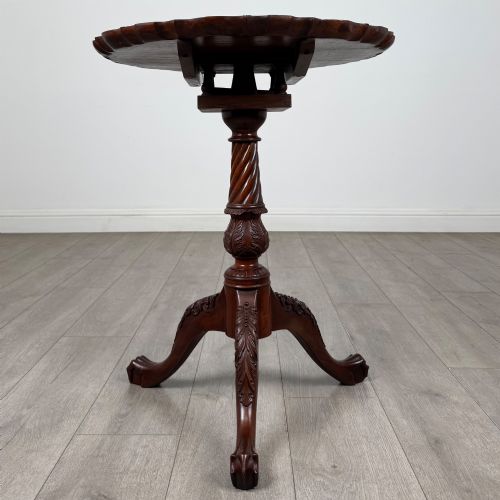
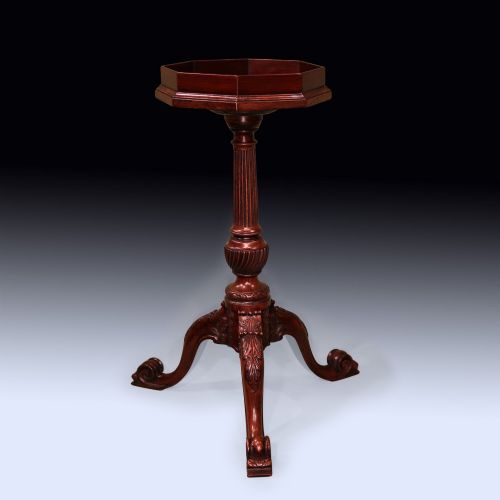
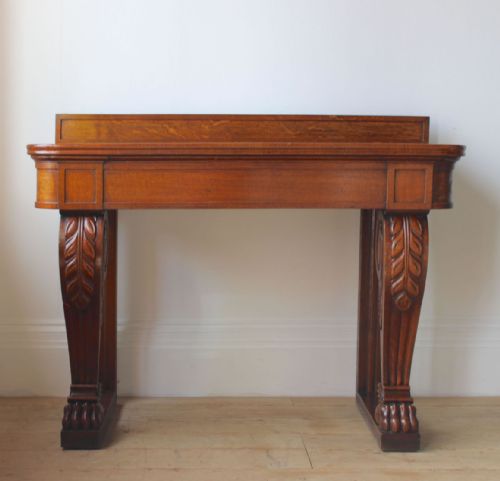
When you search for a carved acanthus side table, you encounter a variety of forms ranging from console tables and serving pieces to tripod tea tables and occasional stands. These items span multiple historical eras, including the eighteenth century, Regency period, and Victorian era, reflecting enduring classical design motifs.
The most common formats on this page include console tables placed against walls and smaller freestanding occasional pieces. Their origins cross English, Scottish, and Italian workshops, displaying regional interpretations of elaborate leaf ornamentation.
Makers utilised diverse forms such as tilt-top mechanisms, birdcage supports, and fitted marble tops to suit domestic interiors. Each piece demonstrates how carvers integrated naturalistic foliage into functional furniture.
Materials and construction
Cabinetmakers constructed these pieces primarily from solid mahogany, limewood, and bleached oak, providing stable foundations for intricate carving. Selected timbers were joined using traditional framing techniques suited to the weight of marble or wooden surfaces.
Surface decoration frequently involved hand-carved relief work, gold leaf, and giltwood applications to accentuate the scrollwork and leaf motifs. Some examples incorporate brass hardware, glass inserts, and leather top surfaces.
Italian Baroque and English Chippendale pieces demonstrate deep chisel work where the wood itself forms the ornamental volume. Artisans also employed paint and gilding to enhance the visual texture of the carved elements.
Listings feature mahogany, limewood, and bleached oak alongside marble and giltwood finishes across eighteenth and nineteenth-century examples.
Assessing craftsmanship and execution
The distinction between standard examples and superior pieces lies in the crispness and depth of the hand-carved foliage. Skilled carvers achieved naturalistic undulations and undercut leaves that catch the light, whereas lesser work remains shallow and rigid.
Proportion and structural integrity separate fine furniture from utilitarian output. The alignment of grain, the stability of joints in tables with pedestals or console legs, and the integration of marble tops determine the overall calibre of the construction.
The Carved Acanthus Side Table Glossary
- Acanthus
- A classical ornamental motif derived from Mediterranean foliage, carved in wood or rendered in gesso on furniture frames. It forms the primary decorative vocabulary for these tables.
- Console table
- A wall-mounted or freestanding table supported by console brackets or legs, traditionally designed to stand against a drawing room or hallway wall. They often feature elaborate underframes and stone tops.
- Giltwood
- Timber coated with gold leaf or metal leaf over a prepared gesso ground. This finish was widely applied to Baroque and Rococo frames to create a brilliant reflective surface.
- Tilt-top table
- A freestanding table with a mechanism that allows the tabletop to pivot vertically when not in use. This design saved space in period interiors.
Carved Acanthus Side Table: Frequently Asked Questions
Where did people place these tables?
Console tables were traditionally positioned against walls in formal hallways, dining rooms, and drawing rooms, often beneath matching mirrors. Smaller occasional and tea tables stood beside seating arrangements or in the centre of rooms.
Larger serving and console tables served as display surfaces for decorative objects and silver. Their placement depended entirely on the room's architecture and social function.
How do I distinguish eighteenth-century pieces from later revivals?
Eighteenth-century furniture typically exhibits timber shrinkage, hand-cut joinery marks, and specific secondary woods appropriate to the region. Georgian Revival and later nineteenth-century pieces often display machine tooling or uniform timber seasoning.
Examining the underside, drawer linings, and tool marks helps determine the period of manufacture. Stylistic proportions also shift between authentic period items and later revivals.
What is the function of a tilt-top mechanism?
Tilt-top mechanisms allowed homeowners to pivot the tabletop into a vertical position. This saved valuable floor space in smaller domestic rooms when the table was not in use.
Many of these examples feature birdcage supports that also allowed the top to rotate. This combination offered flexibility in everyday domestic routines.
How should I care for gilded and carved surfaces?
Giltwood and carved wooden surfaces require gentle dusting with a soft, dry brush to prevent the accumulation of dirt within the crevices. Moisture and harsh cleaning agents can damage delicate gold leaf and historical finishes.
Maintaining stable indoor humidity prevents timber movement and protects the underlying gesso layers from cracking.