



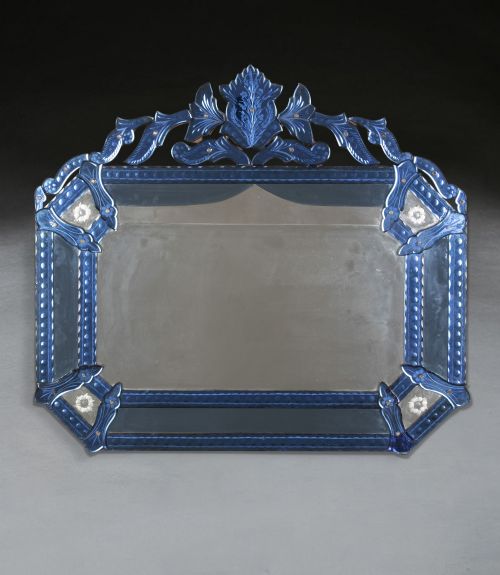
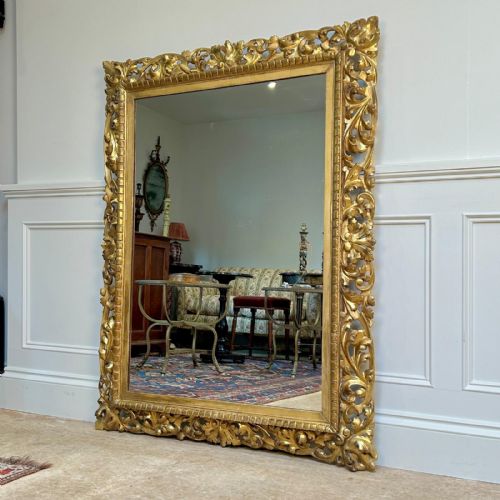
Italian Carved Frame Mirror
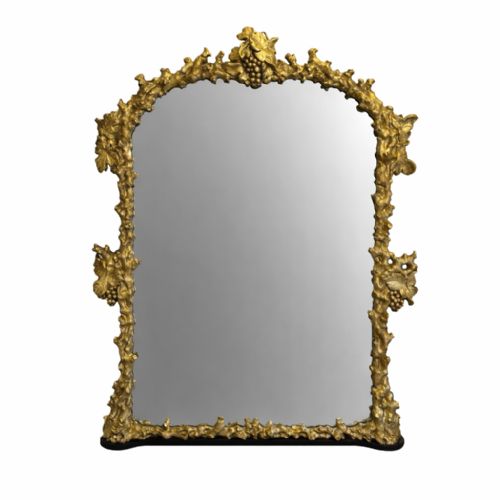
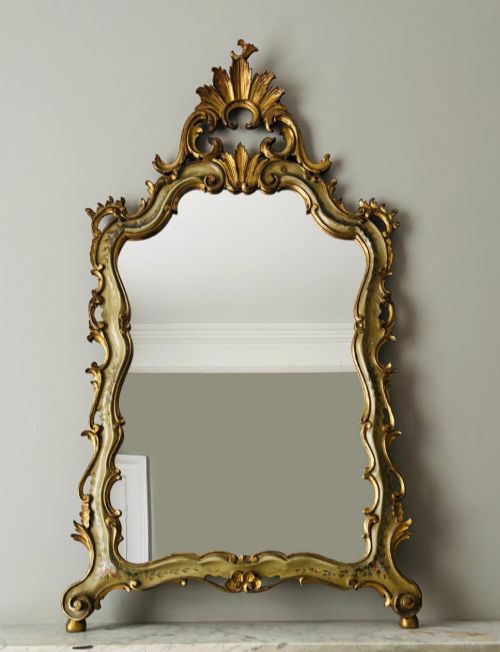
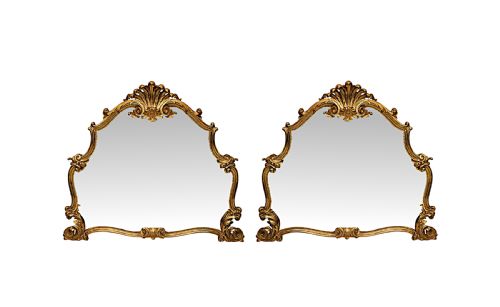
An italian carved frame mirror brings ornate Italian craftsmanship and rich gilt surfaces into a room.
Italian Carved Frame Mirror
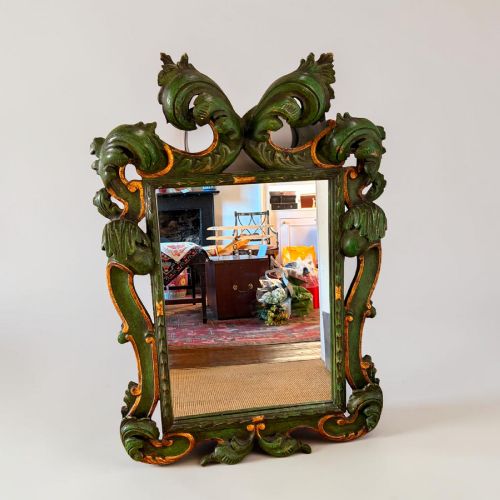
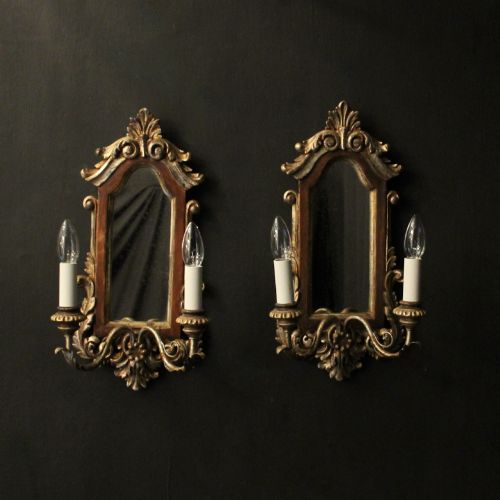
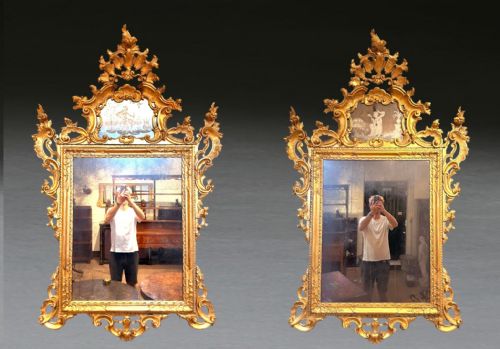
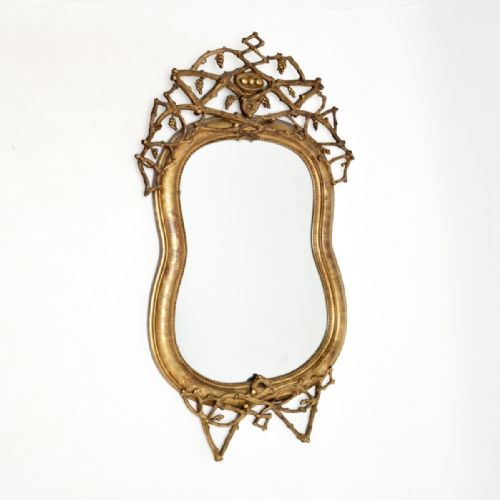
When you search for an italian carved frame mirror, you encounter pieces spanning from the seventeenth century through the early twentieth century, with the nineteenth century heavily represented in the current selection. These pieces primarily take the form of wall mirrors, overmantels, picture frames, and girandoles, reflecting diverse regional tastes.
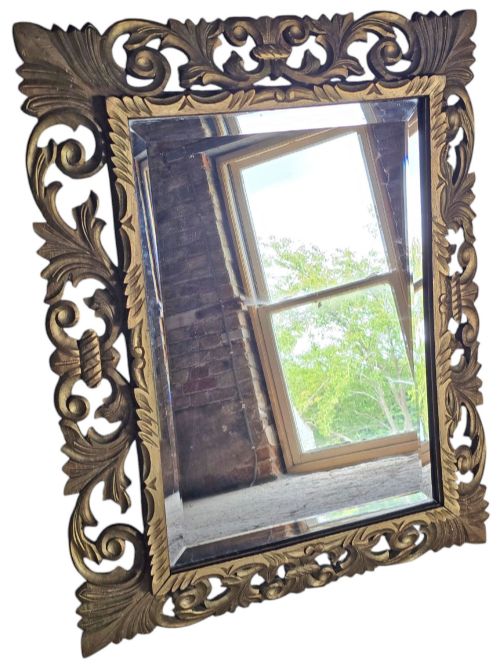
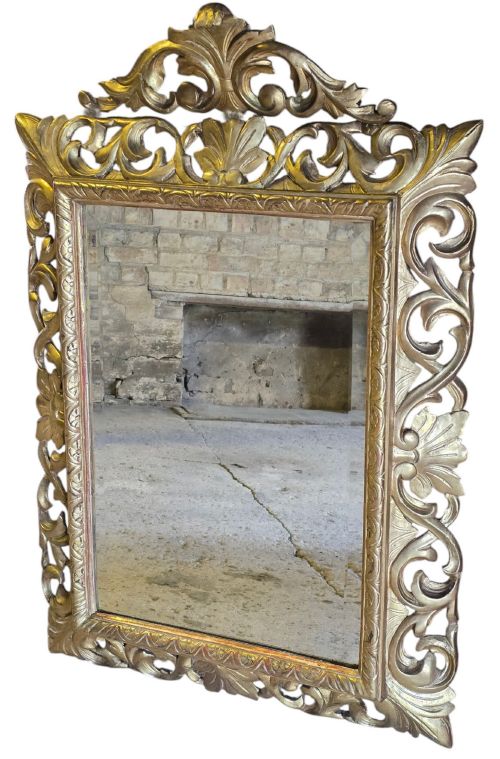
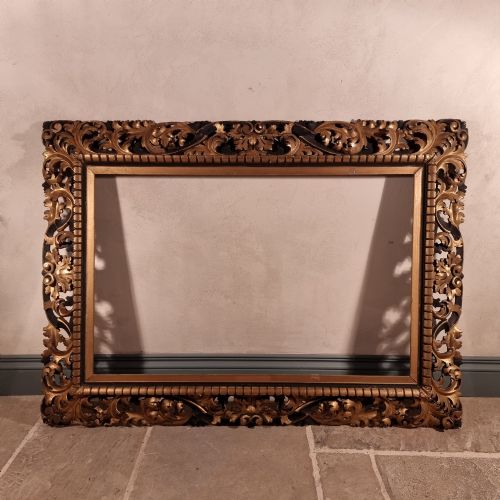
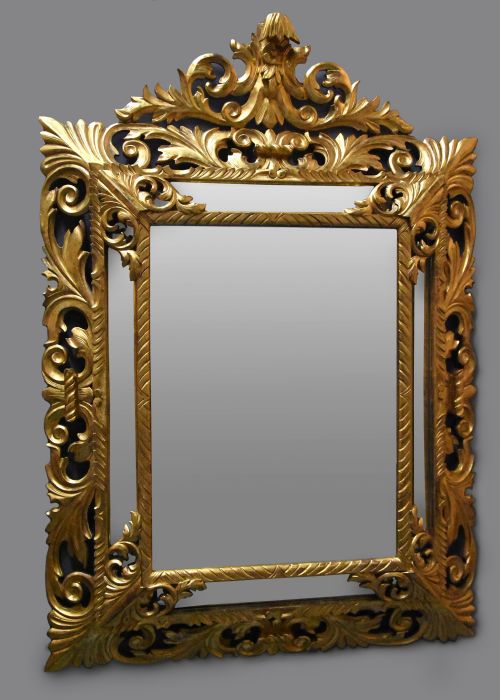
The Florentine design dominates the available pieces, often characterised by intricate carved giltwood or gesso enrichment. Alongside these, examples in the Italian Baroque and Rococo styles appear frequently, showing sweeping scrolls, asymmetrical cartouches, and deeply carved foliage.
Forms range from large cushion mirrors and pier glasses to smaller table mirrors and devotional reliquary pieces. Many pieces incorporate original mirror glass or engraved plates that show the authentic age of the object.
Materials and construction
Carved wood forms the structural foundation of these pieces, utilising softwoods, fruitwood, limewood, and heavy timbers shaped by hand. Craftsmen applied gesso layers over the carved wooden base to build up intricate relief details before finishing.
Giltwood surfaces feature gold leaf or silver leaf applied over the gesso, sometimes combined with paint or distressed finishes. Certain examples also showcase silver and gold leaf surfaces or hand-painted details on the frames.
Italian Carved Frame Mirror Retail Price Guide 2026
Typical asking prices for italian carved frame mirror among the pieces listed under this phrase on Sellingantiques today, from the lower quarter to the upper quarter. They describe what is for sale here now, not the wider market.
Listings feature pieces spanning from the seventeenth century through the 1930s, constructed in giltwood, gesso, carved wood, and glass.
Evaluating the craftsmanship
Quality rests upon the depth, crispness, and dexterity of the carving rather than mere scale. Superior examples display undercut foliage, sharply defined scrolls, and harmonious proportions that demonstrate master carving rather than mechanical repetition.
The treatment of the surface layer dictates visual success. Hand-applied gold leaf over properly prepared gesso retains a warmer, deeper lustre compared to flat or overworked modern gilding substitutes.
The Italian Carved Frame Mirror Glossary
- Giltwood
- Wood covered with a thin layer of gold leaf. This finish defines the majority of grand Italian wall mirrors.
- Gesso
- A plaster mixture applied to wood frames as a base for gilding or painting. It allows craftsmen to model intricate low-relief ornaments.
- Girandole
- A branched wall mirror fitted with candle sconces. These fixtures reflect candlelight to illuminate surrounding spaces.
- Cushion mirror
- A mirror frame shaped with a convex profile sloping inward towards the glass plate. This style gained particular favour during the nineteenth century.
- Pier glass
- A tall mirror designed specifically to hang on the wall space between windows. They frequently match consoles or tables placed below.
Italian Carved Frame Mirror: Frequently Asked Questions
Where should I hang a large overmantel mirror?
Position your overmantel mirror securely above a fireplace mantelpiece to anchor the room's main focal point. Ensure the wall fixings match the substantial weight of carved wood and gesso frames.
Alternatively, mount the mirror on a primary living room or hallway wall opposite a window to maximise natural light reflection. Keep the piece clear of direct heat sources that might dry out the old timber.
How can I tell a Florentine mirror apart?
Florentine frames typically display dense, continuous carved scrollwork, acanthus leaves, and classical strapwork motifs. They often omit flat surfaces entirely in favour of ornate, high-relief ornamentation.
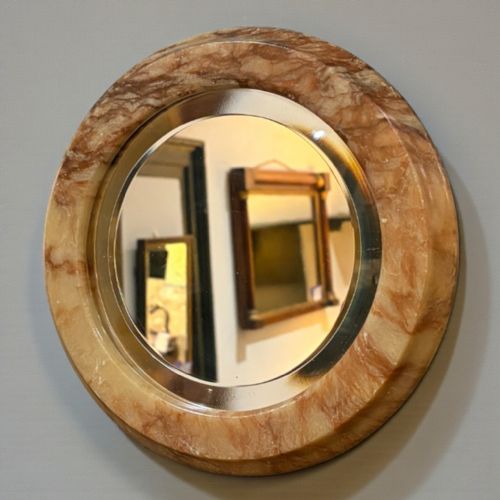
These frames rely heavily on giltwood finishes and frequently take rectangular or circular shapes. The carving style emphasises rich texture and deep undercutting characteristic of Tuscan workshops.
What is a reliquary mirror?
A reliquary mirror incorporates sacred Christian motifs, such as the flaming heart or papal symbols, into the carved frame design. Originating for devotional use, these pieces served both decorative and spiritual functions in Italian interiors.
They often feature specialised iconography like the two keys associated with papal interest. Their unusual symbolism separates them from standard domestic wall mirrors.