

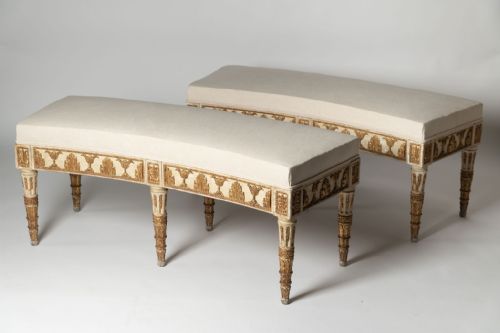


Italian Carved Bench
These Italian carved bench selections bring centuries of walnut craftsmanship and painted elegance straight into a grand hallway or drawing room.
Italian Carved Bench
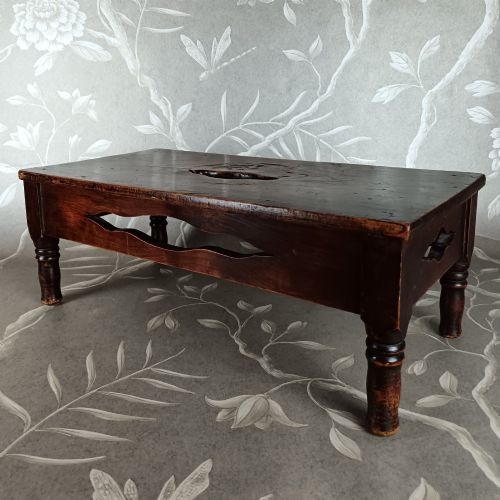
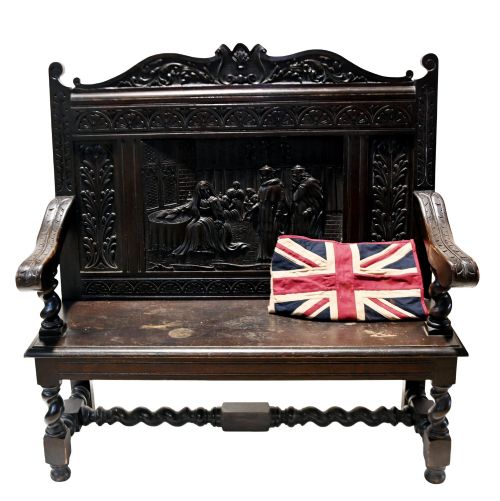
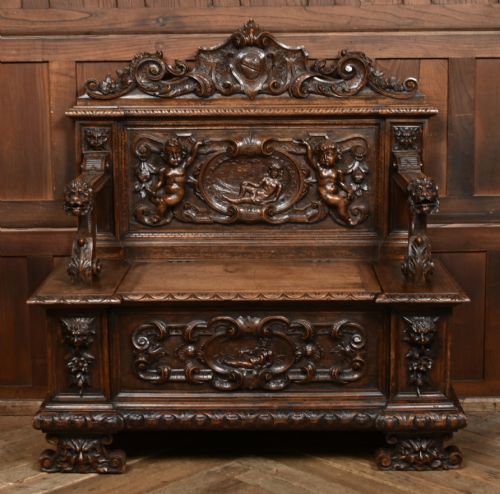
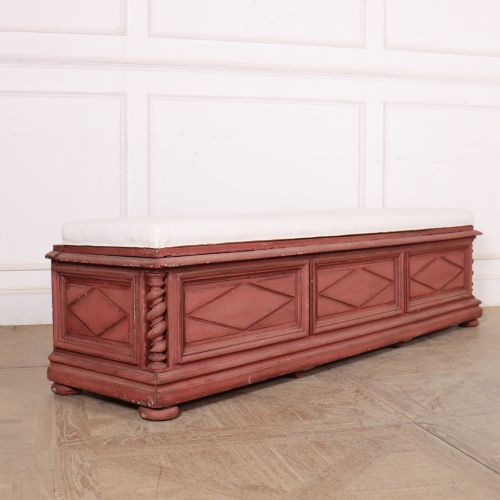
An italian carved bench encompasses substantial walnut cassapancas, grand hall settles, and decorative settees spanning from the eighteenth century into the nineteenth century. These seating forms carry distinct regional styles such as Venetian rococo, neoclassical, and Renaissance revival.
The walnut cassapanca and large hall benches dominate the offerings, built originally for high-status interiors with high backs and integrated storage boxes. Lighter painted wood or giltwood settees and window seats also appear alongside various stools.
Makers and workshops across Italy utilised robust timber and expressive carving to create functional seating that doubled as architectural furniture. Survivors range from severe Renaissance revival forms to elaborate Venetian polychrome and gilt pieces.
What varies in quality
The depth, sharpness, and ambition of the hand carving separate standard commercial seating from pieces attributed to known masters. Crisp relief work on walnut panels and refined facial expressions on figural supports indicate superior workshop output.
The integrity of the timber frame, the original condition of painted or gilt surfaces, and the survival of historic upholstery components dictate the standing of an item. Greater architectural scale and cohesive regional styling elevate the presence of the bench.
Italian Carved Bench Retail Price Guide 2026
Typical asking prices for italian carved bench among the pieces listed under this phrase on Sellingantiques today, from the lower quarter to the upper quarter. They describe what is for sale here now, not the wider market.
Venetian gondola chairs bring the canals indoors, offering a swift, sweeping curve to anyone who prefers a seat with a nautical pedigree.
The Italian Carved Bench Glossary
- Cassapanca
- A large wooden bench with a high back, armrests, and a box seat base used for storage. This form served as both a seat and a strongbox in historic Italian palazzos.
- Giltwood
- Timber coated with a thin layer of gold leaf over a prepared gesso ground. This finish provided a brilliant metallic sheen suitable for formal neoclassical reception rooms.
- Polychrome
- Painted in several colours, often with floral or figurative motifs. Venetian artisans applied this technique to soften the heavy appearance of structural wood furniture.
- Curule stool
- An ancient Roman magistrate seat form revived during the nineteenth century with crossed legs. These X-framed stools often display fine walnut carving or gilt ornamentation.
- Settee
- A small upholstered sofa with a back and arms designed for multiple sitters. Italian examples frequently combine exposed carved wood frames with needlework or fabric upholstery.
Italian Carved Bench: Frequently Asked Questions
Where did these benches sit?
Historic Italian benches occupied wide stone hallways, grand reception rooms, and high-status antechamber spaces within palazzos.
Their heavy construction and imposing backs provided both a functional waiting seat and a statement of social standing.
How do I identify a cassapanca?
A cassapanca is distinguished by its enclosed box base beneath the seat, which functioned as a secure chest for valuables and textiles.
They also feature high panelled backs and solid wooden armrests, setting them apart from open settees and stools.
Are these benches comfortable?
Most historic Italian benches were built primarily for formal posture and architectural presence rather than deep lounging.
While upholstered settees and padded window seats offer softer seating, wooden cassapancas and hall benches rely on cushions for comfort.
How do I spot a later revival piece?
Revival pieces from the nineteenth century often copy earlier Renaissance or Baroque motifs with machine-finished precision or different joinery methods.
Examining the tool marks on the walnut and the ageing of the timber helps distinguish eighteenth-century originals from later copies.