



Italian Carved Armchairs
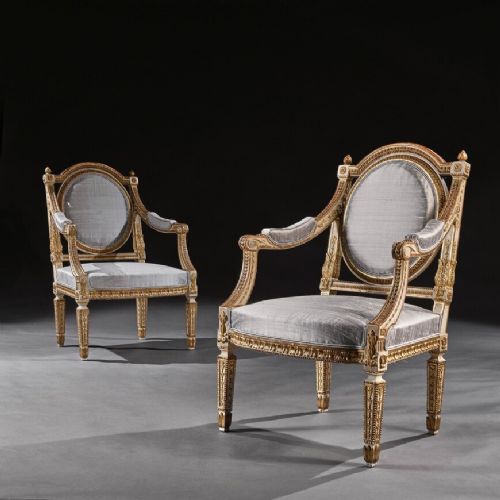
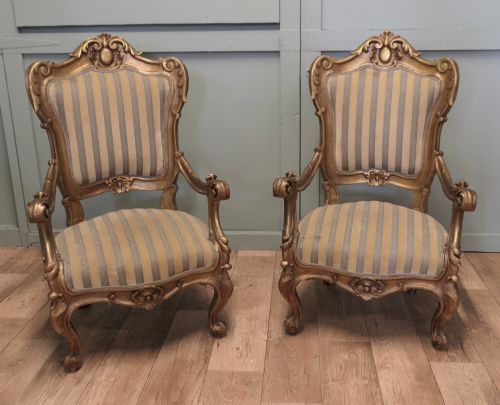
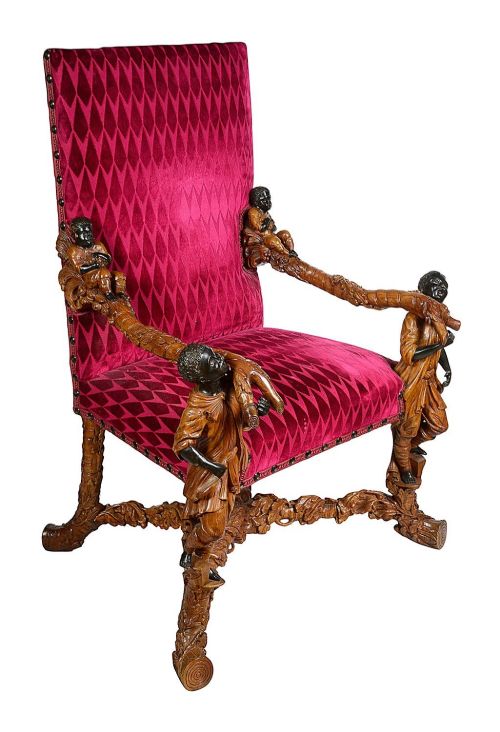
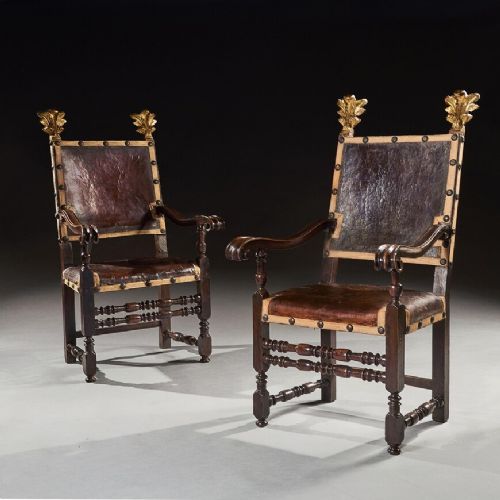
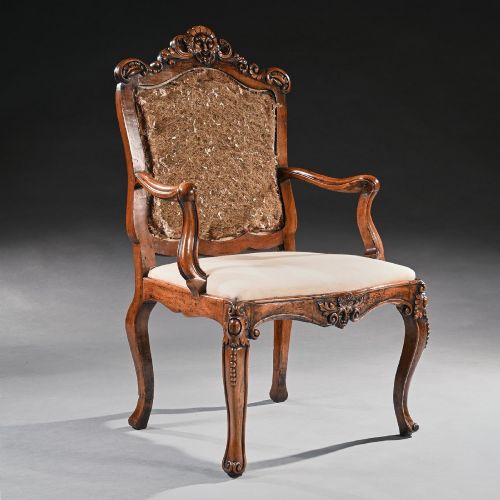
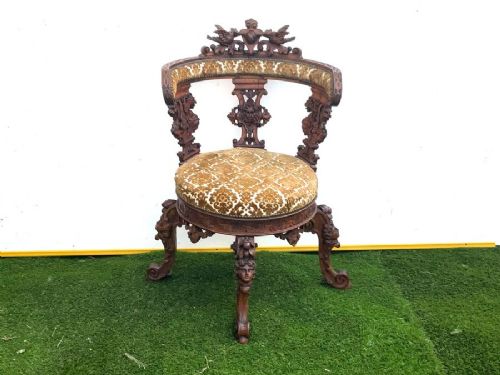
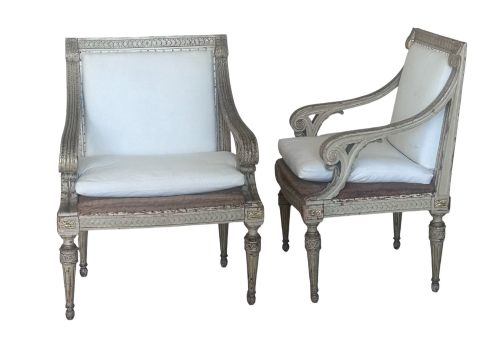
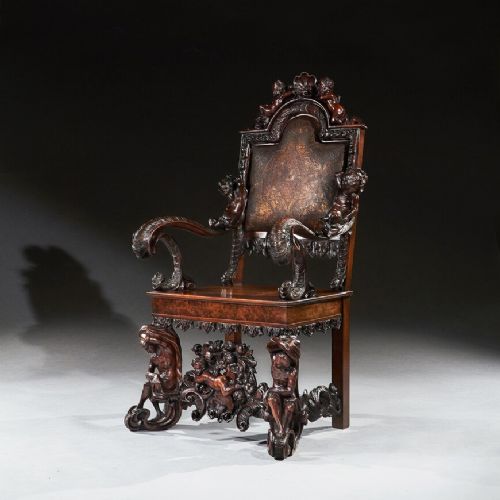
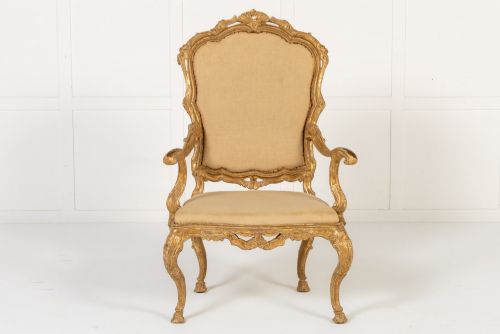
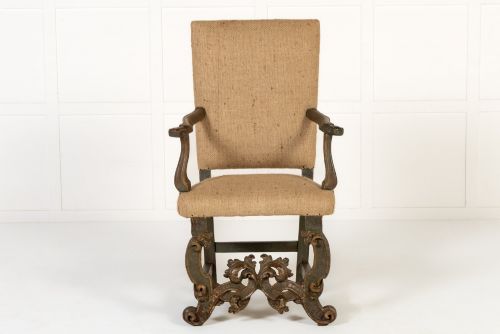
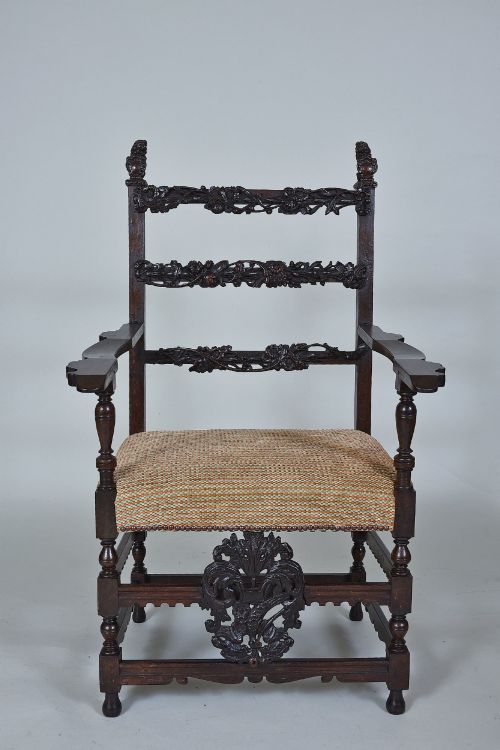
Italian carved armchairs bring grand historical presence into a room, offering robust walnut frames, lavish gilding and dramatic sculptural detail.
Italian Carved Armchairs
These seating pieces encompass centuries of craftsmanship, spanning walnut, giltwood and painted finishes across diverse regional styles. Buyers seeking italian carved armchairs encounter everything from austere seventeenth-century walnut frames to elaborate eighteenth-century rococo and neoclassical creations.
Origins stretch across distinct Italian centres, including Piedmont and Venice, showcasing local variations in carving depth, upholstery and surface treatment. Walnut and parcel-gilt combinations dominate the earlier periods, while painted and gilded surfaces emerge strongly in later iterations.
Materials and construction
Makers utilised solid walnut and other timbers as the structural core, carving intricate foliage, figures and structural members directly into the wood. Gesso layers were frequently applied to prepare surfaces for subsequent gilding, silvering or paint.
Surfaces often combined parcel-gilding or full giltwood finishes with applied polychrome paint and genuine leather or textile upholstery. Advanced examples integrated detailed figural carving and complex turning techniques such as bobbin turning.
Italian Carved Armchairs Retail Price Guide 2026
Typical asking prices for italian carved armchairs among the pieces listed under this phrase on Sellingantiques today, from the lower quarter to the upper quarter. They describe what is for sale here now, not the wider market.
The listings span multiple centuries, uniting 17th-century walnut frames with 19th-century revival works in giltwood and paint.
Judging the work
Quality rests principally on the depth, sharpness and anatomical or botanical correctness of the hand-carved wood elements. Crisp undercutting in walnut or refined application of gesso and gold leaf distinguishes masterwork output from simpler commercial production.
The integrity of the timber frame, the sophistication of period upholstery choices like needlework or leather, and the handling of painted or gilded surfaces determine the overall calibre of the piece.
White, Allom and Co·Andrea Brustolon·Henry Thomas Peters
The Italian Carved Armchairs Glossary
- Giltwood
- Timber coated with fine gold leaf over a prepared gesso base. This lustrous finish enhances the dramatic sculptural qualities of baroque and neoclassical frames.
- Parcel-gilt
- Woodwork partially decorated with gold leaf while other areas reveal the natural walnut or painted finish underneath. It creates a striking contrast between metallic brilliance and exposed grain.
- Gesso
- A plaster-like mixture applied to wooden frames to provide a smooth, absorbent ground for gilding and painting. Its buildup allows for sharp, crisp surface detailing.
- Barocchetto
- The Italian variant of the rococo style, prevalent during the eighteenth century. It is characterised by asymmetric flourishes and spirited, flowing carved lines.
Italian Carved Armchairs: Frequently Asked Questions
How do I identify a true period piece?
Examine the timber shrinkage, tool marks left by hand-carving, and the composition of the gesso beneath any gilding. Period pieces display natural wear patterns that match the anticipated century of origin.
Compare the structural joinery against known regional construction methods from eras such as the seventeenth or eighteenth century. Inconsistencies between the carved decoration and the underlying frame often point to later alterations.
Where were these armchairs placed historically?
Grand seating such as high-back walnut audience chairs occupied prominent positions in palazzi reception rooms and state chambers. Lighter salon models and gondola chairs suited smaller drawing rooms and private sitting spaces.
Their placement reflected both the social status of the owner and the architectural scale of the interior. High-ranking individuals utilised imposing throne armchairs to assert authority during official gatherings.
How should I care for antique giltwood?
Keep giltwood surfaces away from direct sunlight and fluctuating humidity to prevent the underlying gesso from cracking or lifting. Dust gently with a soft, dry brush rather than liquid cleaners.
Avoid placing these chairs in high-traffic zones where clothing might catch against fragile carved projections or delicate leaf work. Professional conservation is advised if the gold leaf begins to flake.
What defines Venetian style furniture?
Venetian pieces frequently showcase lighter painted finishes, intricate gilding and theatrical silhouettes influenced by the city's unique aesthetic traditions. Artisans there embraced flowing rococo curves and whimsical forms like the gondola chair.
These designs often mirror the vibrant decorative arts produced during the eighteenth century in the Venetian lagoon. The palette tends towards brightness, incorporating pastels and metallic leaf to reflect interior light.