


Italian Bronze Figure
An italian bronze figure brings classical antiquity and Renaissance mastery directly into domestic interiors through sculptural reductions made for travellers and collectors.
Italian Bronze Figure
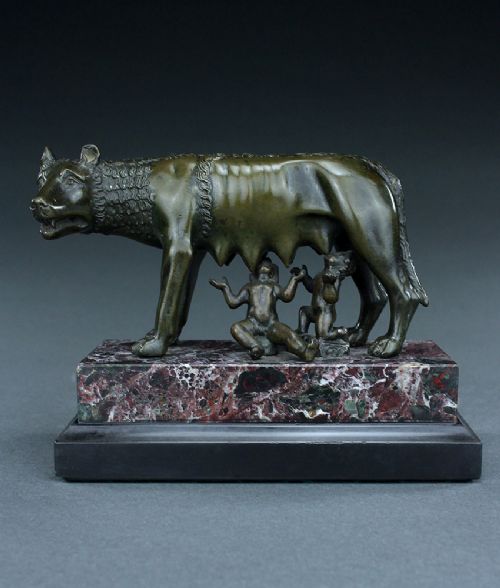
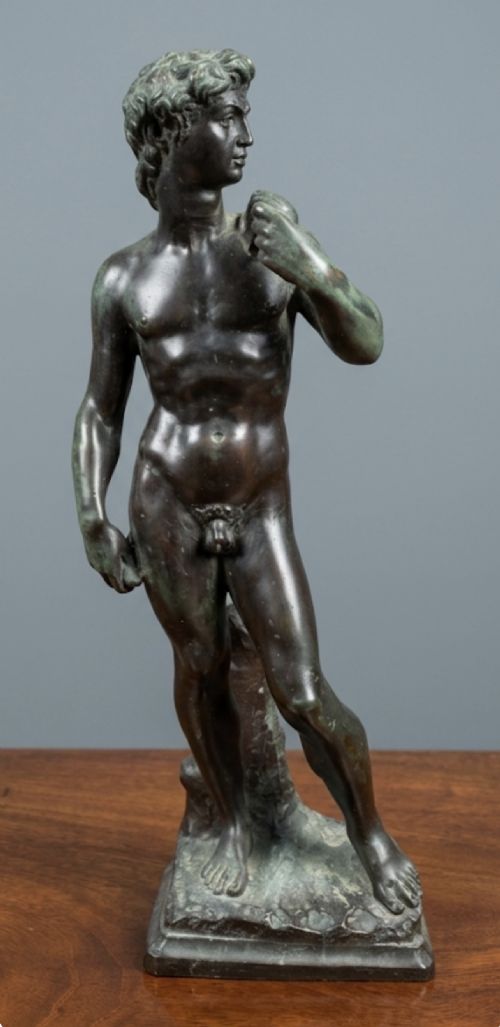
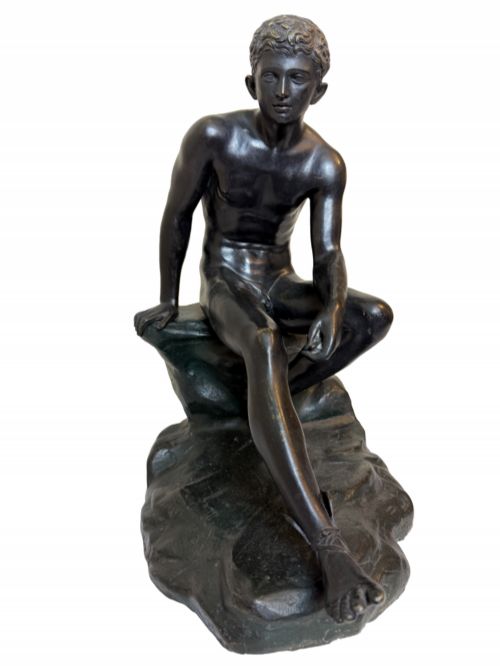
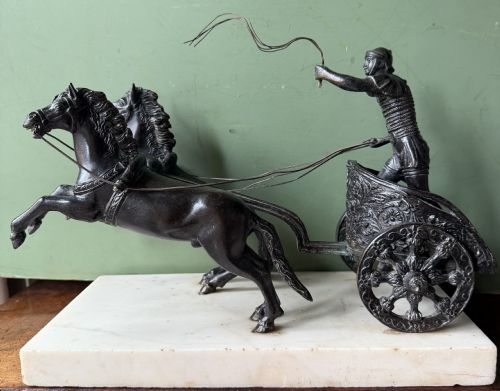
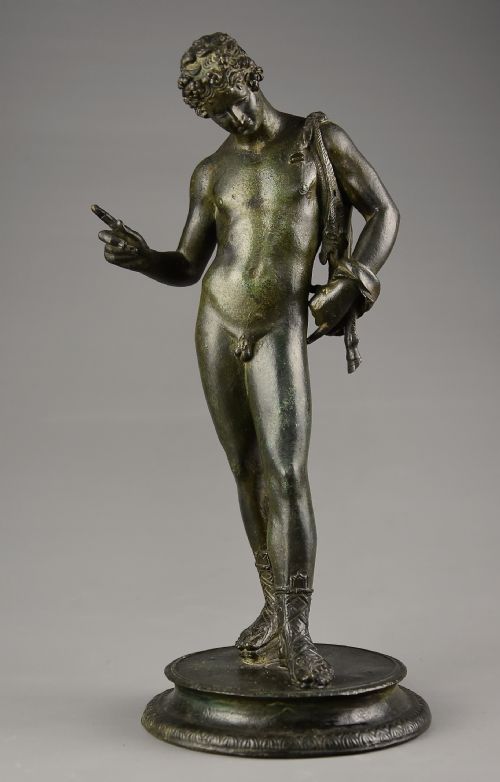
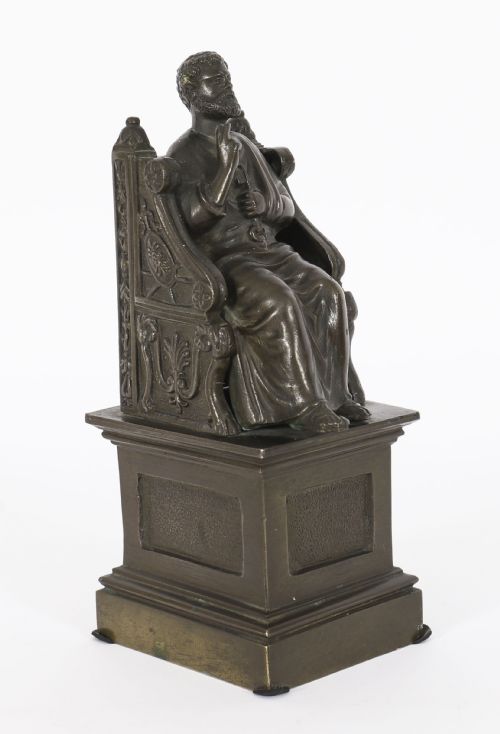
When searching for an italian bronze figure, collectors encounter reductions of classical sculptures, mythological subjects, and Renaissance masterpieces produced primarily during the nineteenth century. These works frequently record the physical forms of famous antiquities housed in Italian museums, serving as portable souvenirs for travellers undertaking continental journeys.
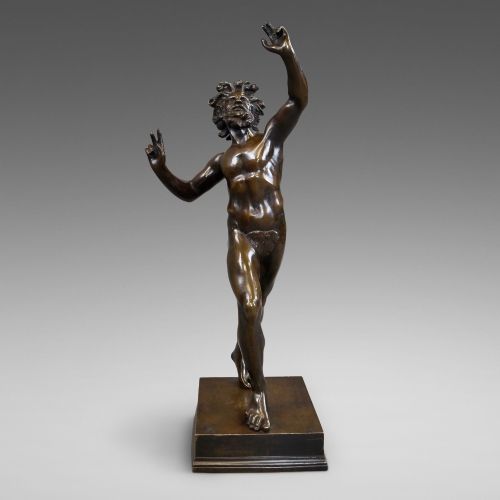
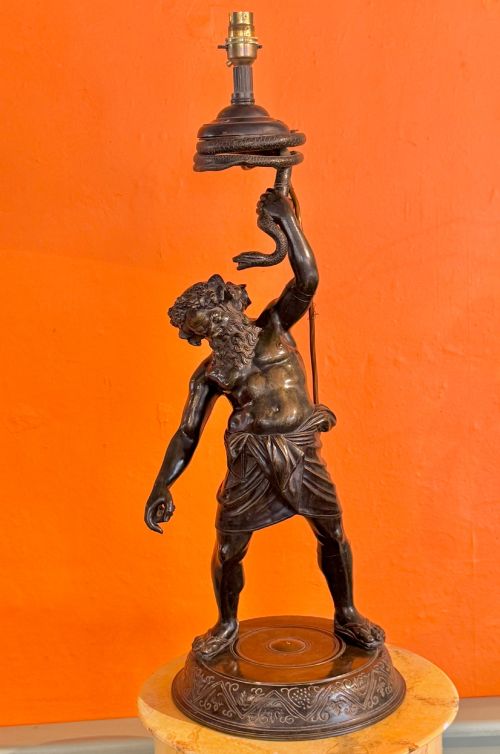
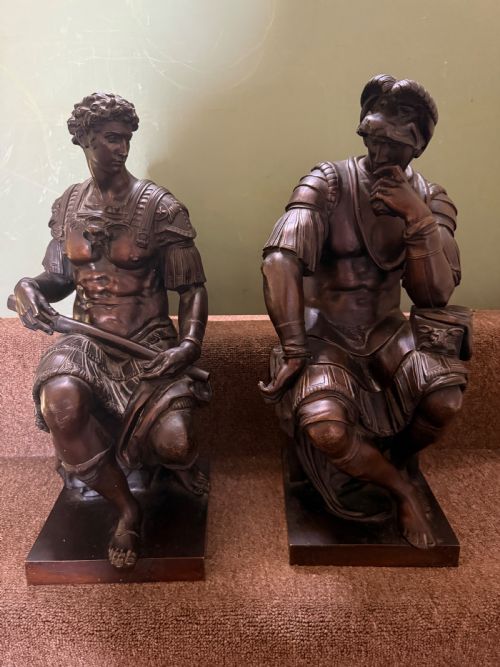
The objects appear widely as freestanding statuettes, furniture mounts, or decorative elements mounted upon marble and wood plinths. Subjects range from dancing fauns and Roman emperors to figures after Michelangelo and Giambologna, reflecting the enduring influence of classical antiquity upon nineteenth-century taste.
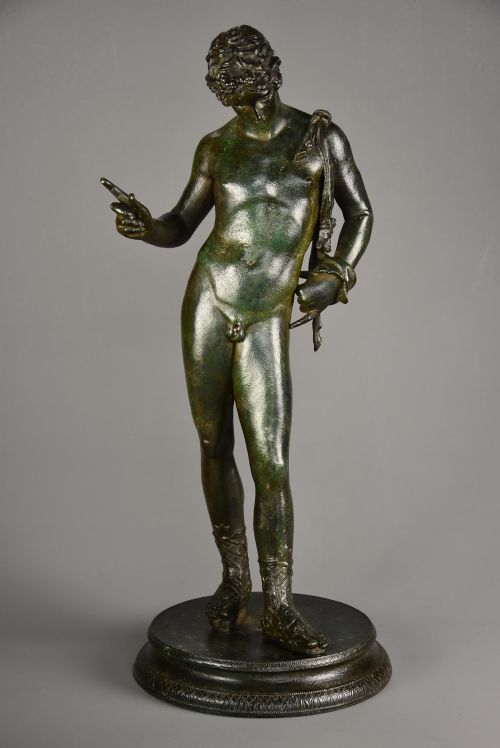
Grand Tour souvenirs dominate the available selection, often bearing dark green patination or warm brown tones designed to mimic ancient metalwork. Buyers also meet cast brass and patinated iron interpretations alongside traditional bronze castings from Neapolitan and Florentine foundries.
Foundry Methods and Materials
Foundries utilised the lost-wax casting technique or sand casting to reproduce intricate anatomical details from large-scale originals. Molten bronze poured into these moulds captured delicate drapery, musculature, and facial expressions before cooling into solid metal forms.
Artisans applied chemical patination treatments using acids and heat to produce desired surface colours ranging from deep black-brown to verdant green verdigris. Bases of white marble, siena marble, or olive wood frequently provided stable foundations for the heavier metal sculptures.
The listings demonstrate a strong preference for nineteenth-century Neapolitan and Florentine foundries producing classical subjects.
Assessing Casting and Finishing Standards
The refinement of the chasing process separates standard commercial souvenirs from exceptional foundry productions. Skilled artisans used chisels and files after casting to sharpen hair strands, fingernails, and clothing folds that emerged soft from the mould.
The weight and density of the metal, combined with the quality of the supporting marble or wood plinth, indicate the original cost and ambition of the piece. Fine examples retain crisp surface tooling and subtle tonal gradations in the patina rather than flat, uniform paint layers.
G. Amodio Naples·Augusto Rivalta·Giuseppe Renda·Vincenzo Gemito·Pierre-Jules Mêne·Ugo Cipriani
The Italian Bronze Figure Glossary
- Grand Tour
- A traditional educational journey through Europe undertaken by upper-class young men in the eighteenth and nineteenth centuries. Souvenirs purchased during these travels formed the core of many domestic sculpture collections.
- Patination
- The chemical colouring applied to the surface of bronze to simulate natural ageing or ancient burial effects. Common treatments produce dark brown, black, or green verdigris finishes.
- Lost-wax casting
- A traditional metalworking method where a wax model is melted out of a ceramic mould to leave a cavity for molten bronze. This technique allows for complex undercuts and fine surface details.
- Verdegris
- A green crust or patina formed naturally on copper, brass, and bronze through atmospheric oxidation or chemical treatment. Foundry workers often replicated this appearance to suggest antiquity.
- Plinth
- A heavy base of marble, slate, or wood supporting a statue or bust. These mounts elevate the bronze figure and provide structural stability.
Italian Bronze Figure: Frequently Asked Questions
What is a Grand Tour bronze?
A Grand Tour bronze is a miniature or reduced-scale sculpture purchased by travellers in Italy during the eighteenth and nineteenth centuries. These pieces reproduced famous classical statues found in Roman and Neapolitan collections.
Foundries in cities like Naples, Florence, and Rome specialised in casting these souvenir figures for foreign visitors. They allowed collectors to display canonical works of art within their own homes.
How do I clean an antique bronze?
Antique bronzes require minimal intervention to preserve their historic surface patination and stable metal structure. Dusting with a soft brush and applying microcrystalline wax occasionally protects the metal from atmospheric moisture.
Harsh chemical cleaners, polishes, and water should be avoided entirely because they strip away the original chemical patination. Professional conservation is recommended if active corrosion appears on the surface.
Why are figures mounted on marble bases?
Marble bases provided visual weight and architectural stability to small metal sculptures designed for domestic display. Contrasting white or coloured stone plinths also highlighted the dark patination of the bronze figures.
Many nineteenth-century foundries supplied bronzes pre-mounted on specific stone types like siena or white marble. These bases formed an integral part of the finished presentation.
How can I tell if a bronze is solid or hollow?
Most large-scale bronze figures are hollow-cast to reduce weight and save expensive metal during the production process. Smaller statuettes and decorative items are frequently cast as solid metal.
Lifting the piece usually reveals its construction method through overall weight distribution. Hollow castings may show core material or casting apertures on the underside.