


Italian Baroque Style Art
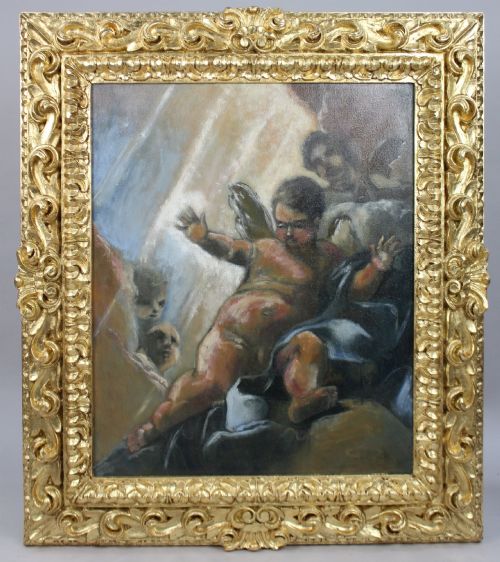
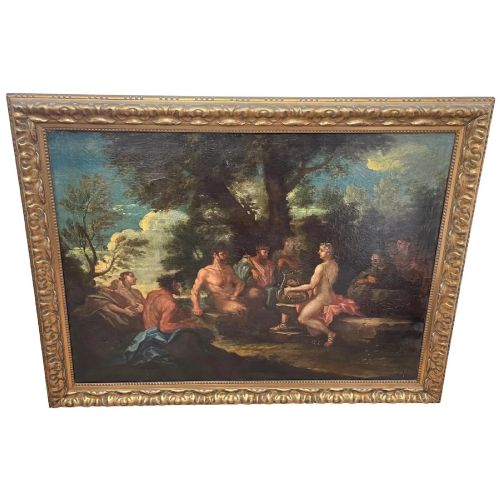
Italian baroque style art brings drama and grand classical mythology into a room through oil paintings set in carved giltwood frames.
Italian Baroque Style Art
Italian baroque style art encompasses oil paintings and fine art pieces originating primarily from the seventeenth and eighteenth centuries, alongside later revivals. Buyers encounter canvas works depicting mythological scenes, classical landscapes, and religious subjects.
How they were made
Painters applied oil pigments onto prepared canvas supports, capturing deep chiaroscuro and theatrical lighting effects typical of the period. Wood frames received layers of gold leaf or gilt finish to accentuate the carved details.
Workshops utilised traditional layering techniques for skin tones, drapery, and background architecture. The physical structure relies on stretched canvas secured within wooden joinery.
What varies in quality
Mastery of brushwork and anatomical proportion distinguishes accomplished studio pieces from simpler decorative works. The depth of the pigment layering and the preservation of the canvas surface dictate the visual impact.
The craftsmanship of the accompanying frame plays a significant role in the overall integrity of the piece. Hand-carved giltwood elements display sharper relief and finer detail than later replacements.
Francesco Solimena·Claude Lorrain·Domenico Zampieri·Bartolomeo Schedoni·Francesco Zuccarelli·Francesco Albani·Antonio Tempesta·Fra Galgario
The Italian Baroque Style Art Glossary
- Oil on Canvas
- Pigments mixed with drying oils applied to a woven fabric support. This combination allows for rich colour blending and lasting flexibility.
- Giltwood
- Timber that has been decorated with a thin layer of gold leaf or metallic powder. It provides a reflective, ornate border for formal paintings.
- Chiaroscuro
- Strong contrast between light and dark within a painting. It creates a sense of volume and dramatic focus on the main figures.
- Provenance
- The documented history of ownership for an artwork. It helps establish authenticity and traces the journey of the piece through time.
Italian Baroque Style Art: Frequently Asked Questions
How do I date an old master painting?
Dating relies on stylistic analysis, canvas preparation, and pigment composition. Experts examine the stretcher frame, nail types, and underlying canvas weave.
Secondary clues include historical inscriptions, artist signatures, and the framing technique typical of a specific century.
How should I hang a heavy oil painting?
Large canvases in giltwood frames require secure wall anchors fixed directly into masonry or sturdy timber studs. Professional hanging wire and heavy-duty D-rings distribute the substantial weight safely.
Position the painting away from direct sunlight and heat sources to protect the canvas and oil pigments.
What is the difference between an artist and a follower?
An attributed work was painted by the named master themselves. A follower or circle indicates an artist working closely in the style and tradition of that master.
These distinctions reflect workshop practices where assistants and students produced works influenced by a central figure.