


Italian Baroque Side Table
An italian baroque side table brings grand architectural presence and intricate carved detail into a room.
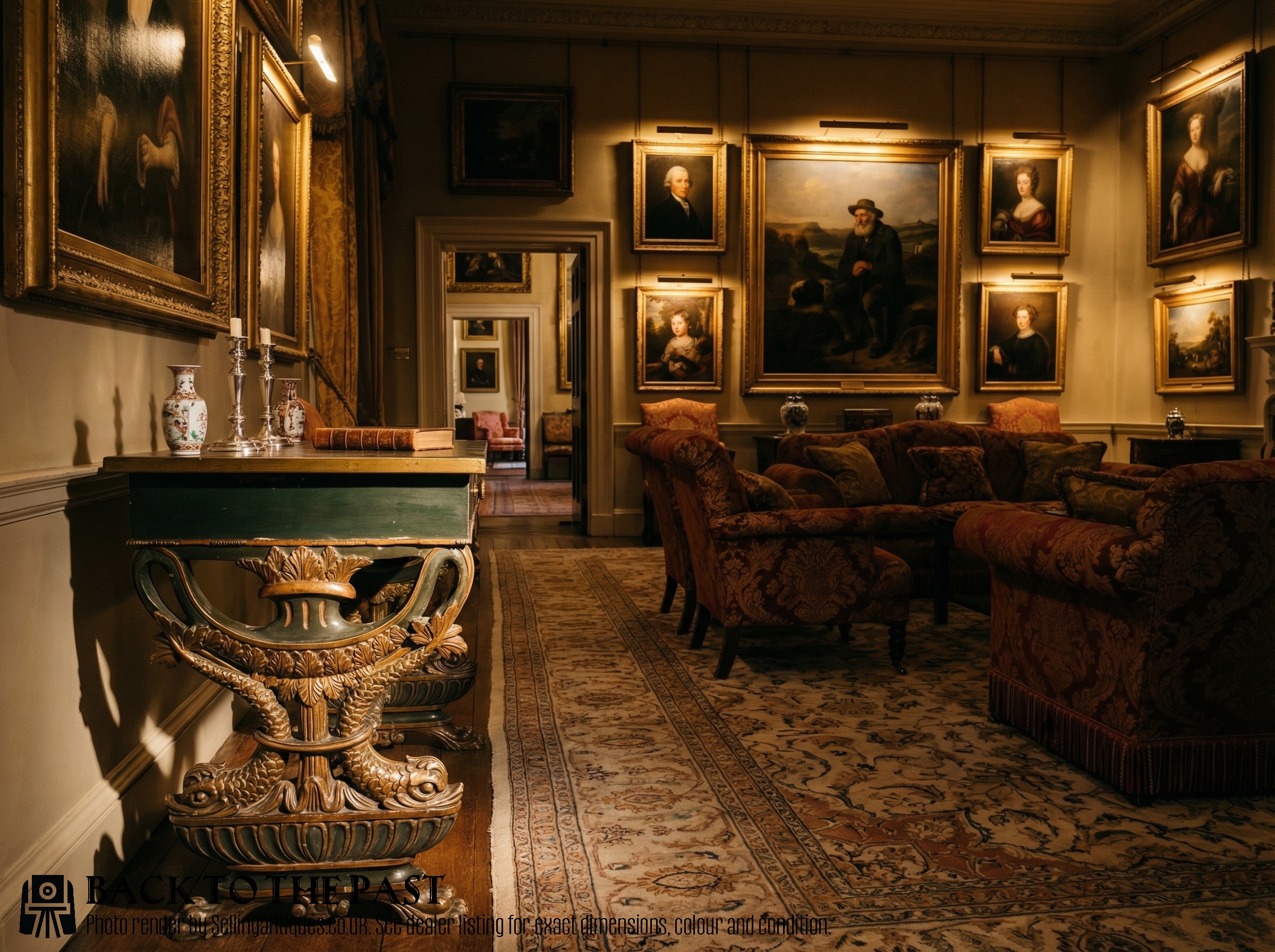
Italian Baroque Side Table
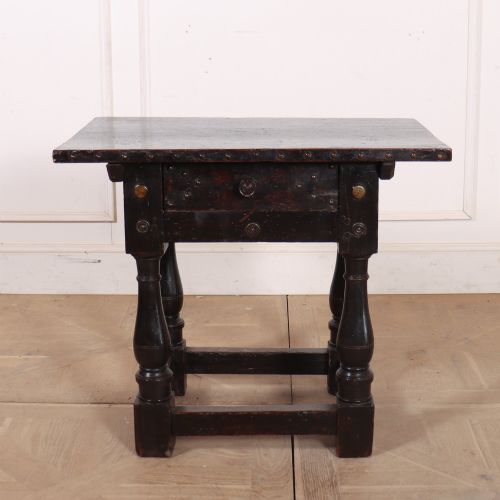
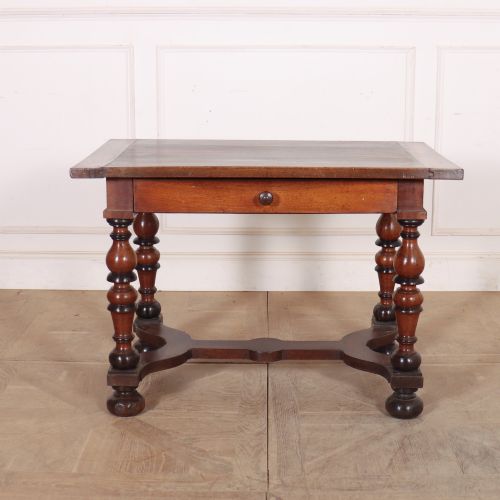
When searching for an italian baroque side table, you are looking at substantial console tables, centre tables, and side pieces originating from various periods including the eighteenth and nineteenth centuries. These forms often feature dramatic carved wooden elements paired with substantial stone tops.
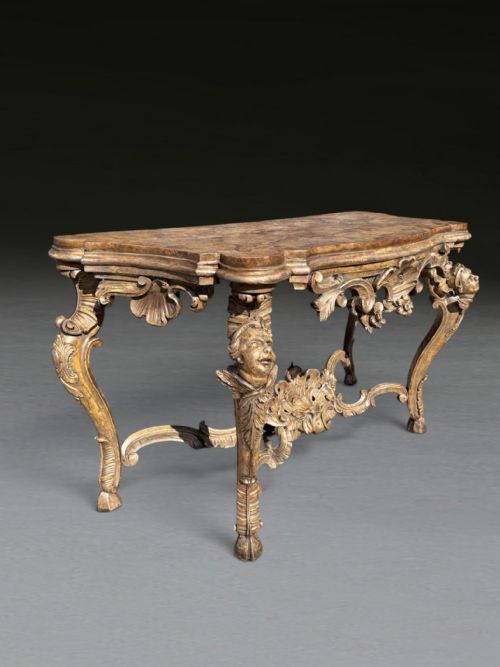
The pieces on this page lean heavily towards console and side tables executed in the Italian Baroque and Baroque Revival styles, alongside related Venetian Rococo and neoclassical interpretations. Walnut and giltwood predominate, frequently supporting heavy marble surfaces.
Assessing quality
Depth and crispness of the wood carving distinguish finer examples from simpler provincial work, particularly in complex figures, foliage, and animal supports. The quality of the gilding and the integration of the marble top with the carved base dictate the overall success of the piece.
Earlier eighteenth-century pieces display organic tool marks and structural joinery appropriate to their age, whereas nineteenth-century revival pieces often showcase heavier, more exuberant casting and carving techniques.
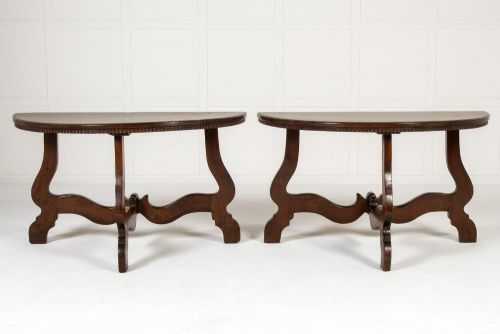
Object forms include demi-lune console tables, pier lamp tables, and pedestal cupboards.
The Italian Baroque Side Table Glossary
- Console table
- A table designed to be placed flat against a wall, frequently supported by sculptural legs or brackets rather than four freestanding posts.
- Giltwood
- Timber that has been coated with thin sheets of gold leaf over a prepared gesso ground, creating a brilliant reflective surface.
- Breccia marble
- A composite stone made of broken rock fragments embedded in a fine-grained matrix, prized for its variegated and colourful patterns.
- Demi-lune
- A half-moon shape used for tables designed to stand flush against a wall.
- Gesso
- A plaster-like mixture applied to wood as a smooth base for gilding and painting.
Italian Baroque Side Table: Frequently Asked Questions
Where should I place an italian baroque side table?
These pieces suit entrance halls, drawing rooms, or living spaces where their substantial carved forms can serve as a focal point against a wall.
Because many function as console or wall tables, pairing them with a mirror or painting above creates a balanced architectural display.
How do I care for the marble top?
Marble surfaces require regular dusting with a soft cloth and immediate wiping of any liquid spills to prevent staining.
Avoid using acidic cleaners or abrasive scouring pads, which can etch or dull the polished stone finish over time.
How do I distinguish eighteenth-century pieces from nineteenth-century revivals?
Eighteenth-century examples typically exhibit hand-carved tool marks, aged patination on the timber, and traditional joinery methods suited to the period.
Nineteenth-century revival pieces often display heavier proportions, more theatrical carving, and different surface preparations beneath the gilding.
What is the difference between a console table and a centre table?
A console table is designed to stand against a wall and is often anchored or supported at the front by decorative legs.
A centre table is finished on all sides to stand freely in the middle of a room.