



Figurative Carved Table
A figurative carved table brings carved human and animal forms straight into domestic furniture, offering exceptional character.
Figurative Carved Table
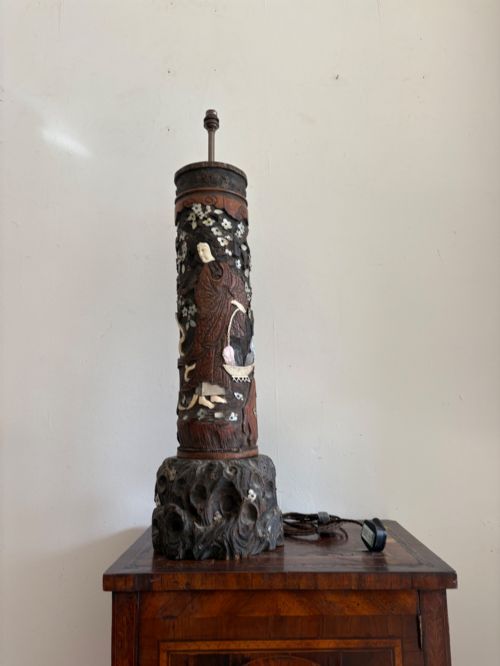
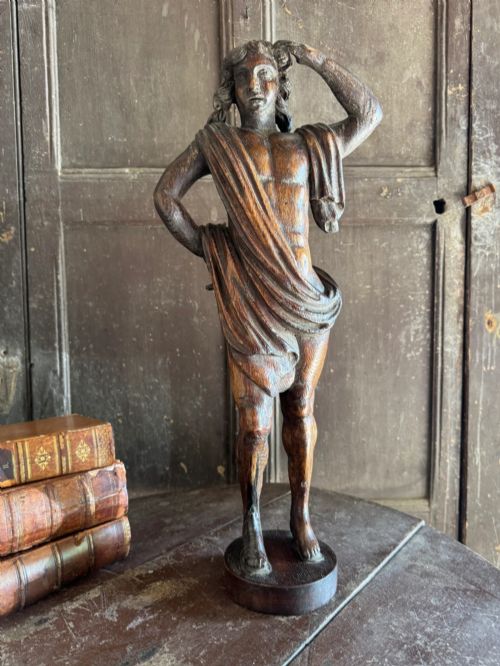
When you search for a figurative carved table, you are looking at furniture and lighting bases that incorporate sculpted human or animal figures into their design. The examples recorded here span from the eighteenth century through to the art deco period, taking forms such as side tables, pier lamp tables, and plant stands.
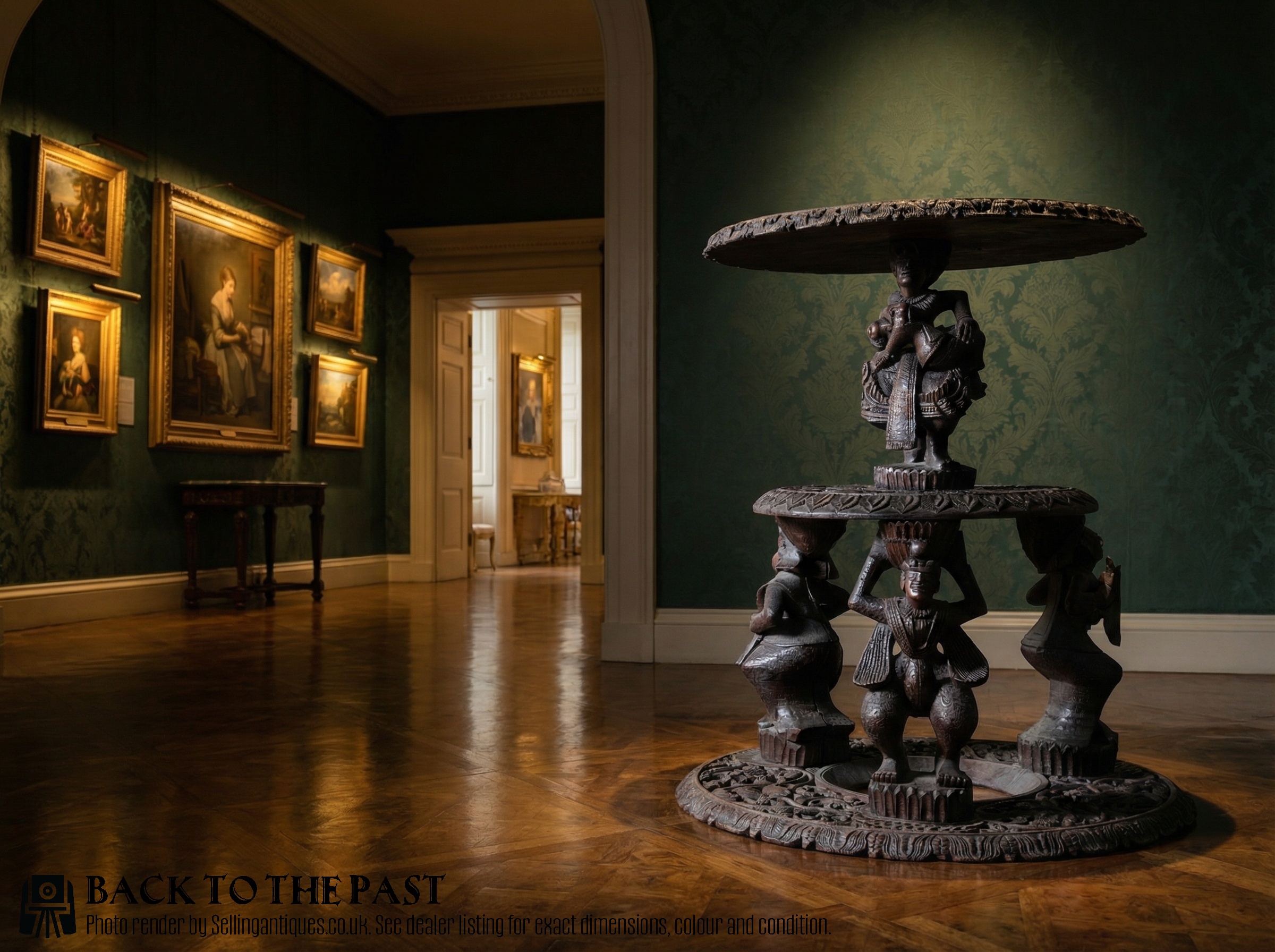
The selection includes specific regional interpretations, such as Venetian blackamoor tables and late nineteenth-century Burmese two-tier side tables. Each piece demonstrates how makers integrated sculptural figures into everyday furnishings across different global traditions.
How they were made
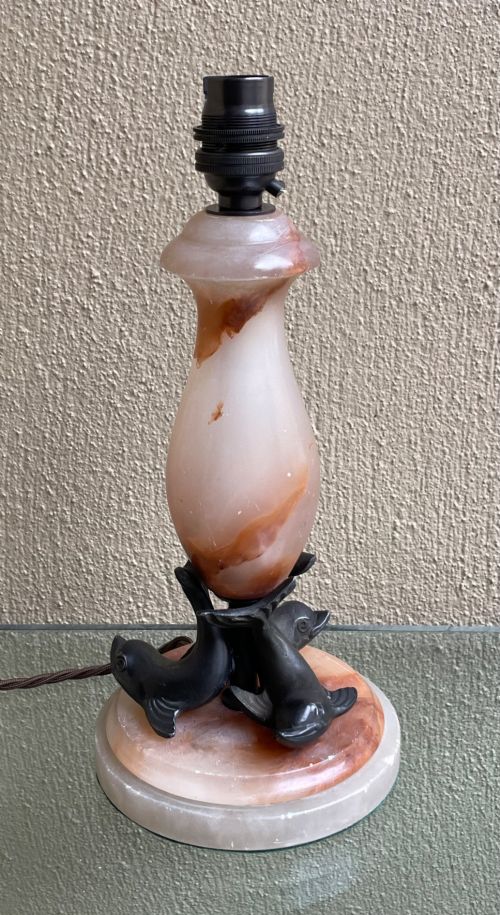
Certain items incorporate contrasting elements such as brass fittings, mother of pearl inlay, alabaster, and onyx components. Wood surfaces were finished with polishes or ebonising to highlight the depth and detail of the sculptural work.
An art deco dolphin carved from alabaster holds up the room's illumination with silent aquatic dignity.
What varies in quality
The standard of a figurative carved table rests entirely upon the anatomical precision and expression of the carving itself. Master carvers achieved fluid movement and lifelike proportions in figures, whereas simpler work results in rigid postures and flat detailing.
The integration between the sculptural base and the functional top separates superior examples from ordinary production. High quality lies in the seamless transition where structural support meets figurative art without compromising stability.
The Figurative Carved Table Glossary
- Blackamoor
- A decorative style of sculpture depicting dark-skinned figures, often used in European furniture to form stands, torchieres, and tables. These pieces frequently date from the nineteenth century and reflect period design tastes.
- Ebonised
- Timber that has been treated or stained to imitate ebony. This finish was commonly applied to fruitwood or walnut to create a deep, dark, uniform surface.
- Meiji Period
- A Japanese historical era spanning from eighteen sixty-eight to nineteen twelve, known for intricate craftsmanship in wood, metal, and decorative arts. Works from this time often display remarkable attention to naturalistic detail.
- Pier Lamp Table
- A small table designed to sit against a wall between windows, frequently supporting a lamp. These pieces often feature decorative bases or carved columns.
- Root Wood
- Timber formed from the root mass of a tree, prized for its gnarled, twisting grain patterns. Artisans used root wood to create organic, highly textured lamp bases and small furnishings.
Figurative Carved Table: Frequently Asked Questions
What is a figurative carved table?
A figurative carved table is an item of furniture that incorporates sculpted human or animal forms into its structural design. These pieces combine utility with detailed sculptural art.
They appear in various forms including side tables, lamp tables, and plant stands across multiple historical periods and styles.
How do I date a carved wooden table?
Dating relies on examining the wood species, tool marks, joinery methods, and the stylistic traits of the carved figures. Different eras favoured specific regional aesthetics and decorative motifs.
Comparing the construction techniques to established historical periods helps narrow down the probable decade of manufacture.
Where were blackamoor tables made?
Blackamoor tables and stands were predominantly produced in European workshops, notably in Italy and Venice, during the nineteenth century. They reflect a distinct taste for exoticism and dramatic sculptural furniture.
Venetian examples often utilise carved walnut or ebonised wood combined with polychrome and gilt finishes.
How do I care for antique carved wood?
Antique carved wood requires stable indoor humidity levels and protection from direct sunlight to prevent timber shrinkage and cracking. Gentle dusting with a soft brush helps clear crevices without damaging the patina.
Avoid using modern silicone sprays or heavy liquid polishes that can build up in the recessed areas of the carving.