


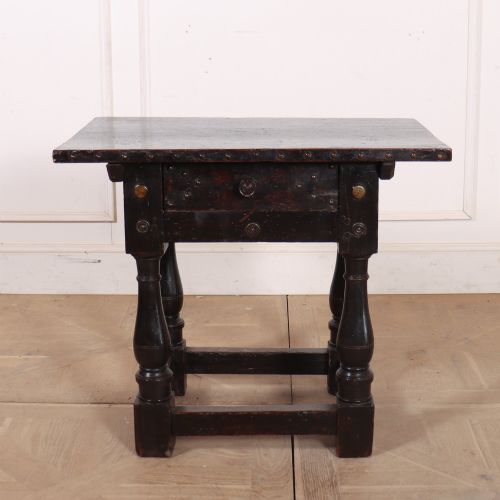
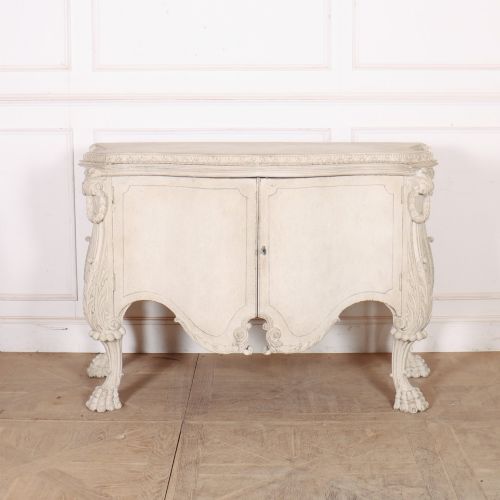
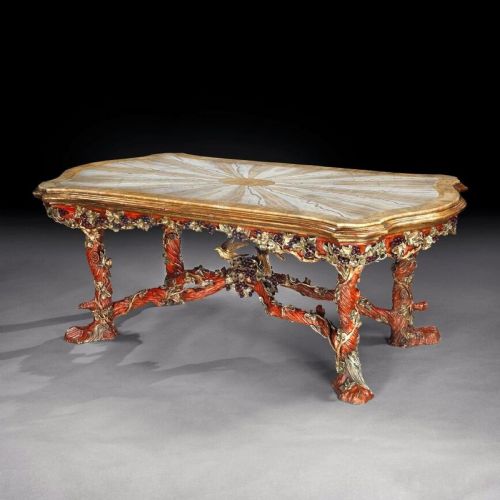
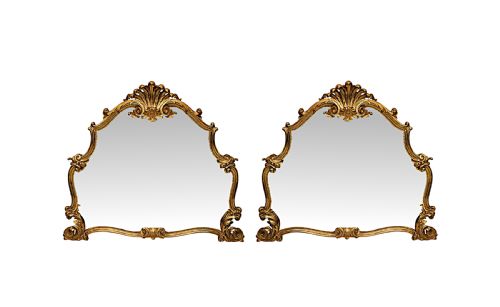
Italian Baroque Carving
Italian baroque carving brings sculptural depth and dramatic movement into rooms through giltwood mirrors, walnut armchairs, and ecclesiastical figures.
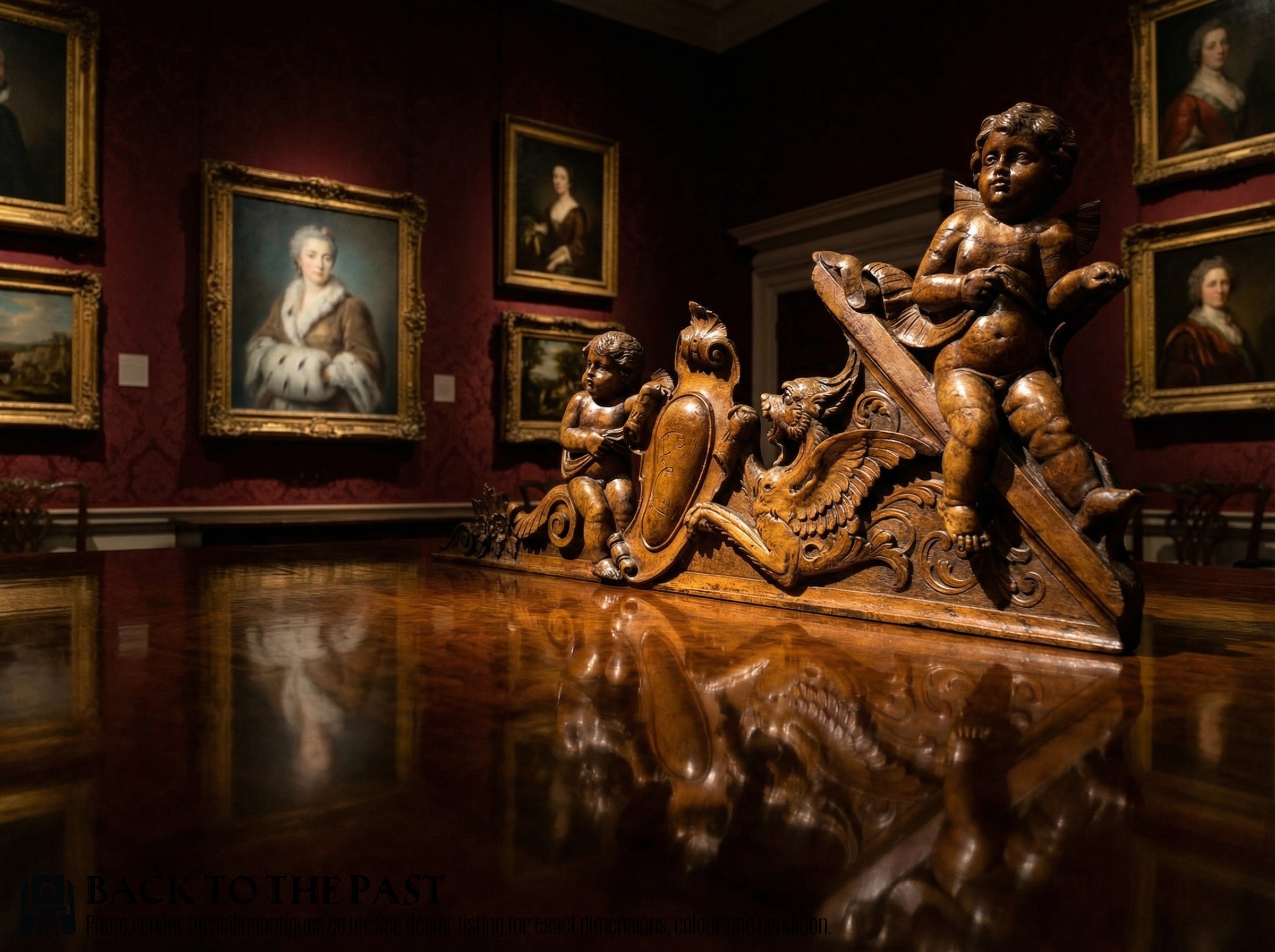
Italian Baroque Carving
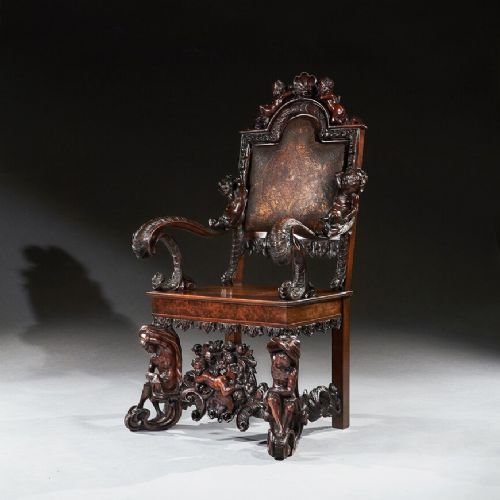
Italian baroque carving encompasses substantial furniture and decorative objects originating from seventeenth-century studios onwards, spanning wall mirrors, armchairs, torcheres, and console tables. Buyers seeking authentic examples encounter walnut seating and gilded wooden ornaments displaying the characteristic dynamic forms of the period.
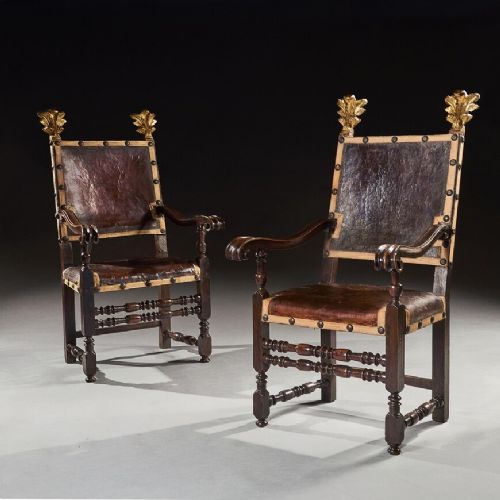
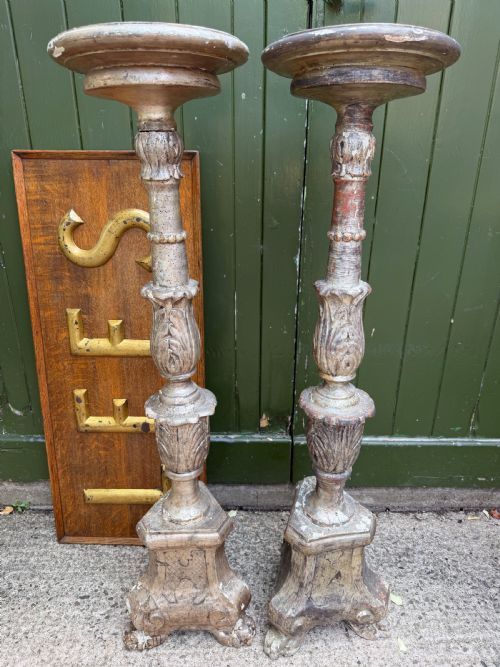
The selection ranges from early walnut armchairs with parcel-gilt details to later nineteenth-century revival pieces that emulate the exuberant output of earlier workshops. Smaller decorative elements such as cherub wall brackets and altar candlesticks appear frequently alongside large mirrors and architectural panels.
Originating largely from centres like Florence, Genoa, and Venice, these items carry the distinct regional traits of Italian craft traditions. Walnut and giltwood dominate the physical record, establishing a clear link between domestic furnishings and ecclesiastical or theatrical commissions.
How they were made
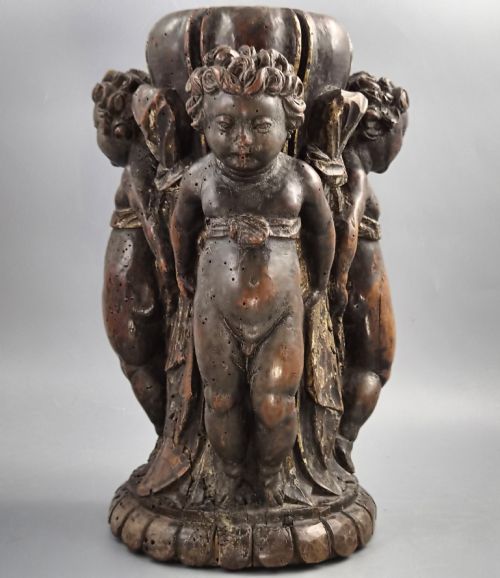
Makers shaped structural components primarily from dense hardwoods like walnut, chestnut, and olive wood, allowing deep undercutting without compromising the integrity of the design. Artisans employed hand-chiselling techniques to achieve the dramatic scrollwork, putti, and foliage characteristic of the style.
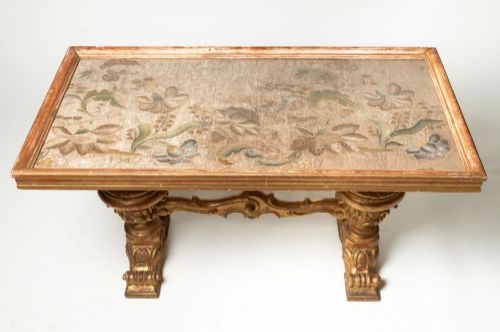
Giltwood pieces received a meticulous preparation of gesso applied over the carved wooden base before laying down gold leaf or silver leaf. This layered construction created the luminous surfaces observed on mirrors, torcheres, and console tables.
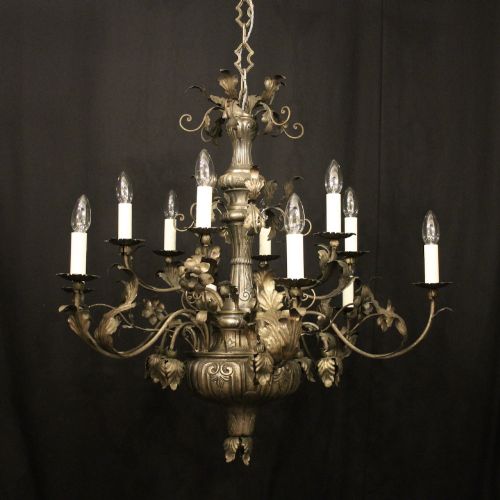
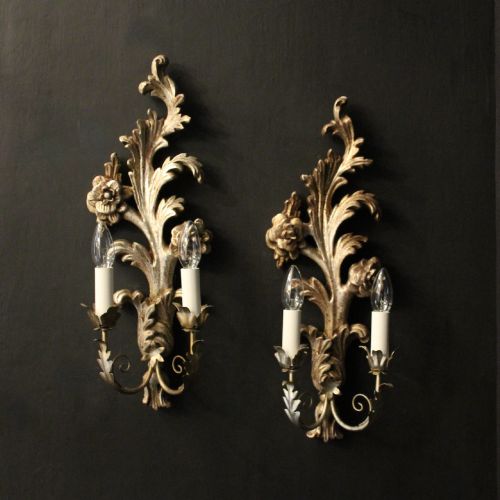
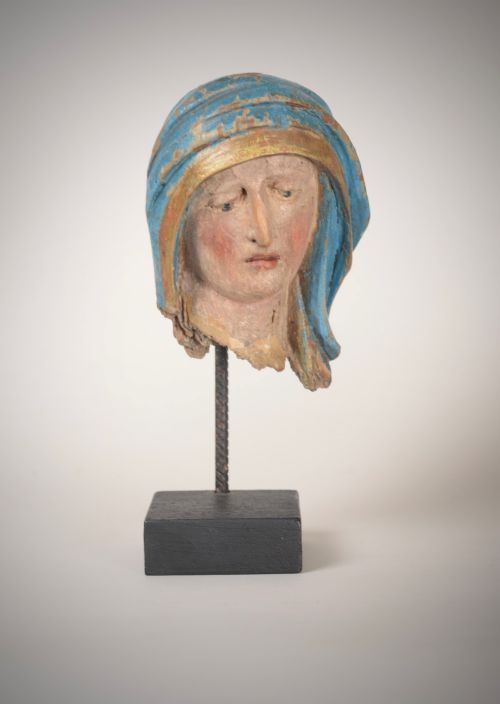
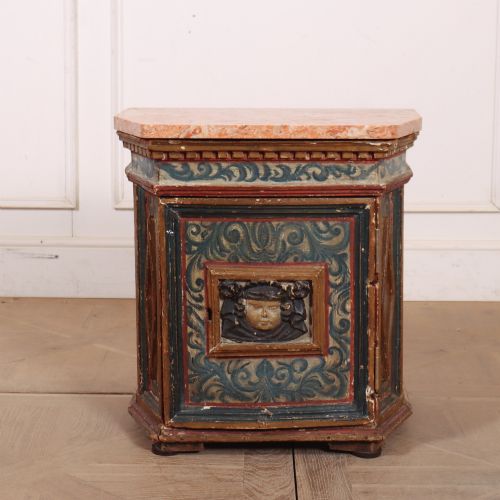
Polychrome finishes incorporated paint directly onto the wood or gesso ground, frequently seen on ecclesiastical busts and sculptural panels. Iron fixings and glass elements supplemented the timber structures, particularly in chandeliers and wall light fittings.
Several items retain their original theatrical past, having served as dramatic props before entering the antique market.
What varies in quality
The application and retention of gold leaf over gesso influence the overall presence of gilded surfaces. Intact gesso grounds that retain their original burnishing demonstrate a higher grade of historical execution compared to flat or heavily repainted substitutes.
Andrea Brustolon·Amleto Bertoni
The Italian Baroque Carving Glossary
- Giltwood
- Timber coated with gold leaf over a prepared gesso ground. This technique creates a brilliant reflective surface prized on mirrors and altar furnishings.
- Gesso
- A plaster-like mixture applied to wood surfaces to provide a smooth base for gilding or painting. It allows intricate details to remain sharp beneath metal leaf.
- Torchiere
- A tall stand designed to hold a candle or light fitting. These carved wooden pillars often feature putti and elaborate scrollwork.
- Putto
- A figure of a small chubby infant, frequently winged, appearing across Italian baroque brackets, torcheres, and architectural carvings.
- Parcel-gilt
- Partially gilded woodwork where sections of natural walnut or painted surface remain visible alongside gold leaf accents.
Italian Baroque Carving: Frequently Asked Questions
How do I identify genuine antique Italian baroque carving?
Examine the timber behind the gilding to check for period-appropriate woods such as walnut or chestnut rather than modern substitutes. Tool marks left by hand chisels and the natural ageing of the gesso ground provide further confirmation of age.
Regional characteristics also help determine origin, as Venetian and Florentine workshops employed distinct carving depths and finishing techniques. Comparing the piece to documented examples from the seventeenth and eighteenth centuries clarifies its historical placement.
Where should I place a giltwood mirror in my home?
Large giltwood mirrors function effectively above console tables, mantelpieces, or as standalone focal points on drawing room walls. Their reflective glass and ornate frames naturally draw light into darker corners of a room.
Ensure the wall structure can support the substantial weight of carved wooden frames. Position them away from direct heat sources to protect the underlying gesso and gold leaf from cracking.
How do I care for antique carved walnut furniture?
Dust the carved surfaces regularly using a soft, dry brush to prevent dirt from settling within the deep crevices of the scrollwork. Avoid commercial polishes containing silicone, which can damage historic wood finishes over time.
Maintain stable indoor humidity levels to prevent the walnut from drying out or splitting. Keep pieces out of direct sunlight to preserve the natural tone of the timber and any remaining parcel-gilt details.
What is the difference between baroque and rococo Italian carvings?
Baroque carvings emphasise monumental scale, muscular symmetry, and dramatic, heavy drapery designed to project authority and awe. The forms rely on deep undercutting and rich walnut or heavily gilded surfaces.
Locate rococo carvings by their lighter, asymmetrical scrollwork, C-scrolls, and playful shell motifs. This later style favours pastel polychrome highlights alongside gold leaf, creating a more delicate visual rhythm.