

Italian Baroque Art
When exploring italian baroque art, collectors encounter oil paintings, carved wood sculptures, and textiles spanning the seventeenth and eighteenth centuries.
Italian Baroque Art
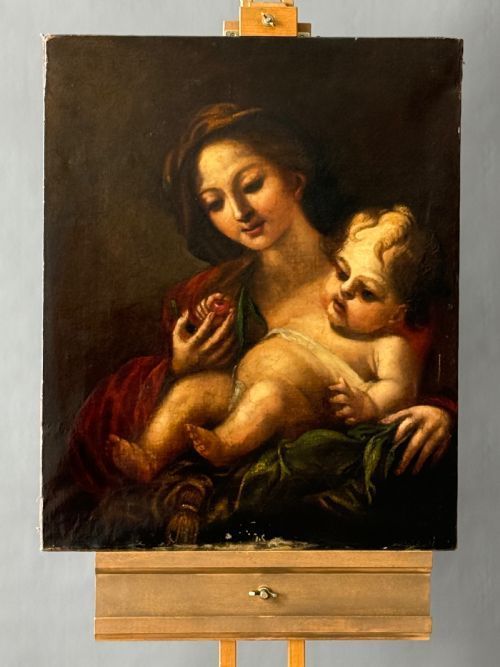
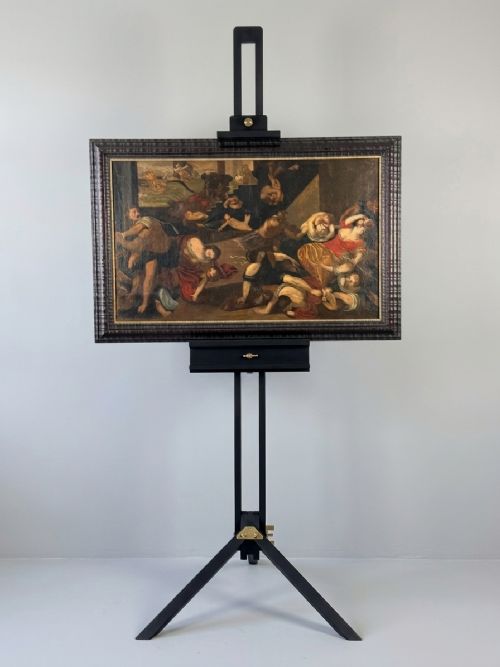
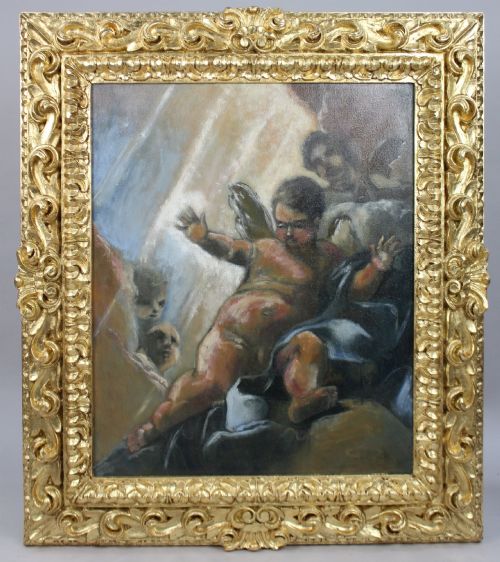
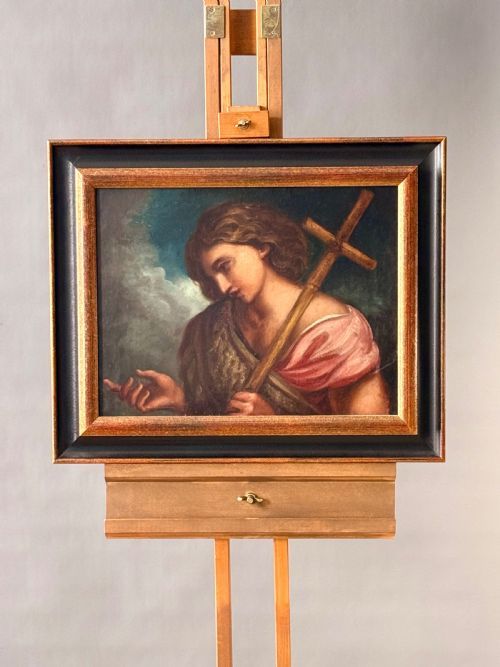
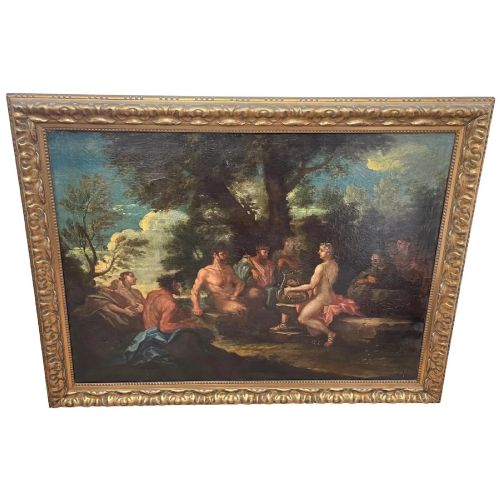
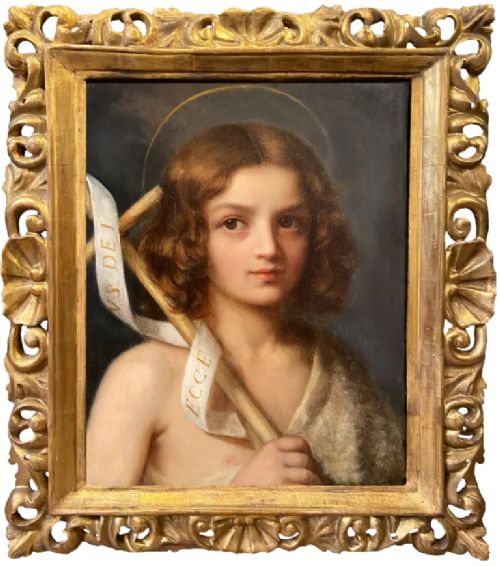
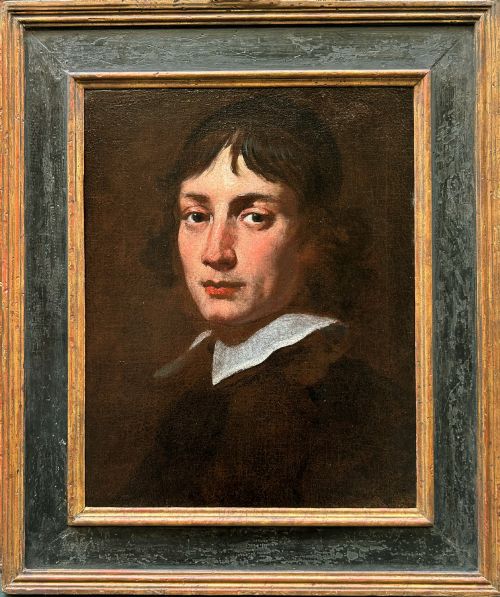
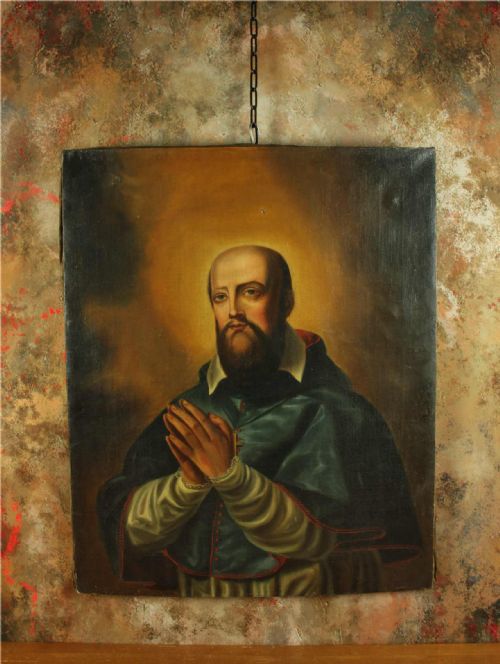
When searching for italian baroque art, buyers primarily examine oil paintings on canvas depicting religious subjects, mythological narratives, and classical landscapes. These works originate predominantly from seventeenth and eighteenth-century Italian schools, capturing dynamic movement and dramatic lighting.
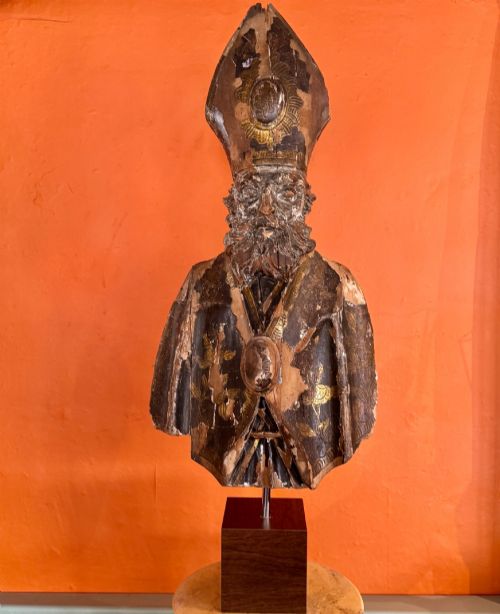
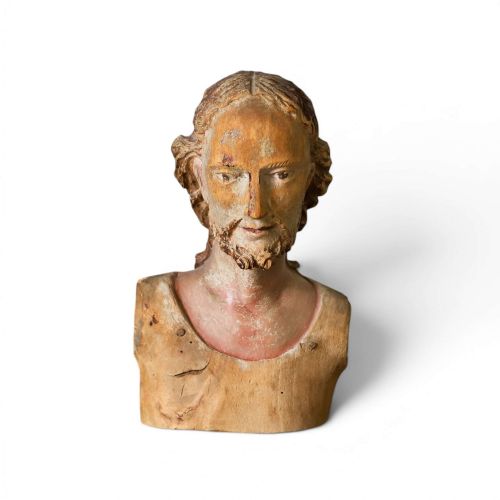
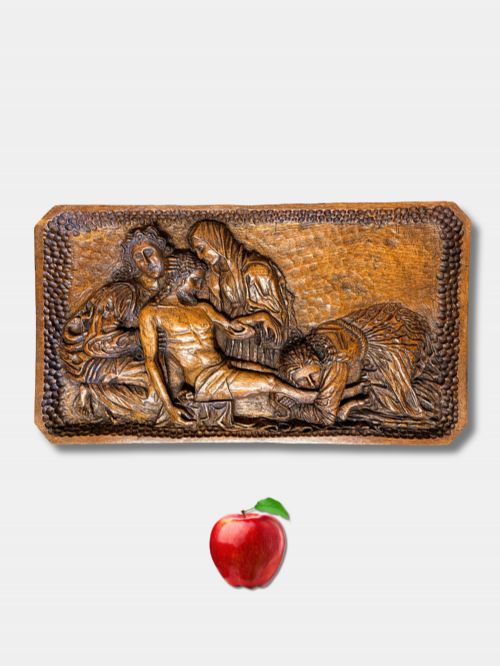
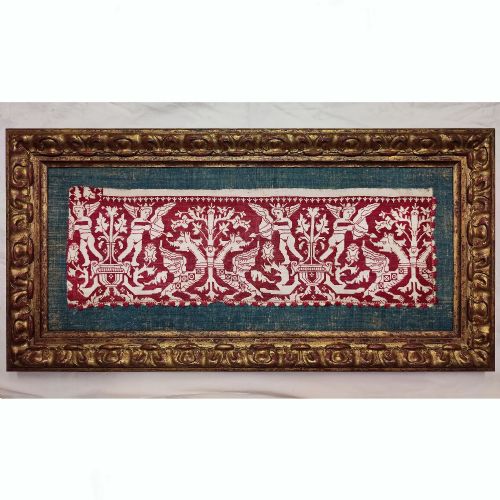
Beyond flat canvases, selections frequently encompass carved wood pieces, including ecclesiastical busts, olive wood sculptures, and gilded architectural elements. Textile works such as early embroideries and embroidered borders also appear within these historical categories.
Materials and Construction Techniques
Painters utilised oil paint applied to canvas, wood panels, or board, often set within ornate carved giltwood frames. Artisans shaped structural elements using timbers such as chestnut, olive wood, and general gilded wood.
Sculptural works display intricate hand carving, complemented by polychrome finishes and gold leaf detailing. Textile pieces rely on dense hand embroidery upon foundational fabric grounds.
Several centuries ago, artists occasionally painted dramatic battle scenes on tiny miniatures while sitting near castle ruins.
Distinctions in Quality
Execution of anatomy, facial expression, and narrative depth separates works attributed to primary masters or well-documented workshops from anonymous regional school pieces. The complexity of composition, handling of light and shadow, and the preservation state of the original canvas or wood support heavily influence the standing of an item.
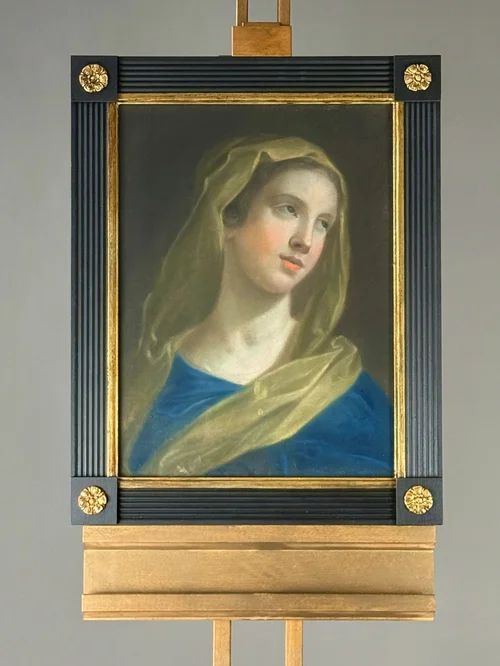
Frame craftsmanship also dictates overall merit, as period-correct carved giltwood frames matching the age of the primary artwork carry distinct provenance value compared to later replacements.
Angelo Maria Crivelli·Benedetto Luti·Pietro Fachetti·Guillaume Courtois·Francesco Solimena·Bartolomeo Schedoni·Francesco Zuccarelli·Gian Lorenzo Bertolotto
The Italian Baroque Art Glossary
- Giltwood
- Wood that has been coated with a thin layer of gold leaf or gold paint. This technique is commonly observed on ornate antique frames and ecclesiastical furnishings.
- Oil on Canvas
- Pigment mixed with drying oil applied to a woven fabric support. This serves as the primary medium for historical paintings from this period.
- Ecclesiastical
- Relrelating to the Christian Church or its clergy. Items of this nature include altar angels, sculpted bishops, and devotional busts.
- Old Master
- A European painter of skill who worked before about eighteen hundred. Such works often form the focal point of classical collections.
Italian Baroque Art: Frequently Asked Questions
How do I identify seventeenth-century paintings?
Examination of canvas preparation, pigment types, and stretcher frame construction provides initial chronological markers. Stylistic traits such as dramatic chiaroscuro and theatrical compositions also point toward this specific era.
Contextual clues like artist signatures, historical exhibition labels, and documentary provenance further solidify the dating of these historical oil paintings.
What subjects are most common?
Religious narratives depicting saints, the Madonna, and biblical scenes dominate the available selection. Mythological tales and classical landscapes likewise feature prominently across regional schools.
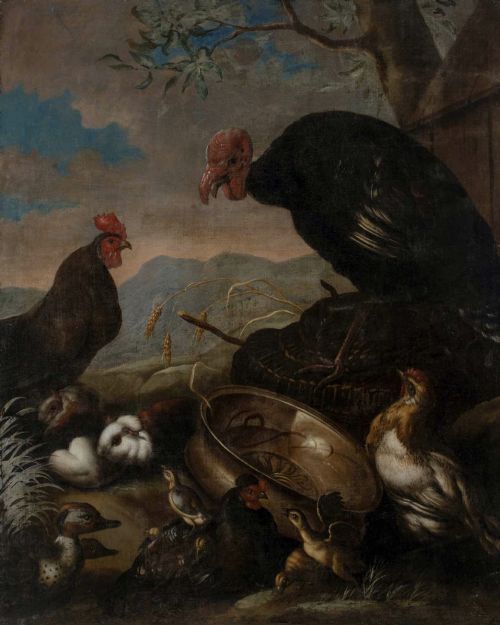
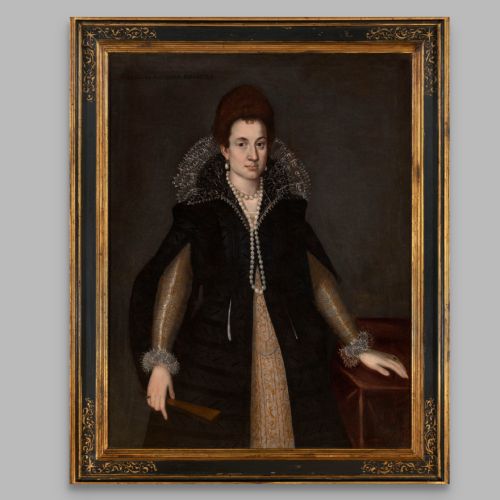
Secular portraiture and animal still life studies appear with lesser frequency but represent important segments of historical output.
How should I care for oil on canvas?
Maintaining stable ambient temperatures and moderate humidity prevents the canvas from slackening and the oil paint from cracking. Direct sunlight causes fading and degradation of organic pigments over time.
Dusting should occur gently with a soft, dry brush, avoiding liquid cleaners or abrasive materials that harm the delicate varnish layer.
Are carved wood sculptures original?
Checking the wood grain, tool marks, and backing construction helps determine whether a carving dates to its purported period. Chestnut and olive wood panels display specific ageing characteristics distinct from modern reproductions.
Polychrome surfaces and underlying gesso layers exhibit natural craquelure and wear consistent with centuries of handling.