





17th Century Religious Portrait
A 17th century religious portrait captures sacred devotion through traditional painting techniques, offering buyers a genuine piece of historical spiritual art.
17th Century Religious Portrait
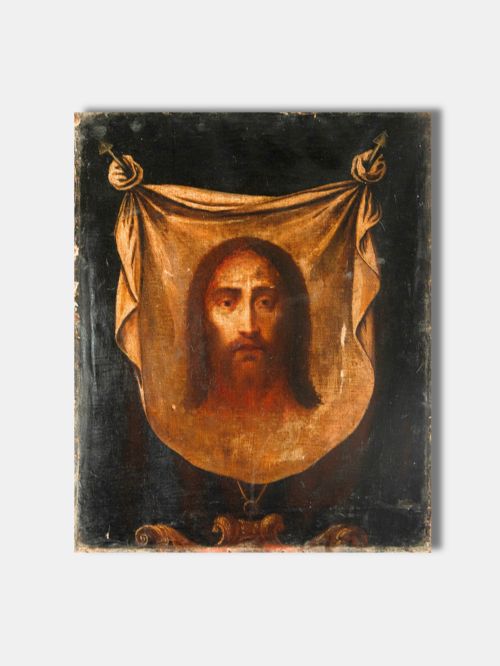
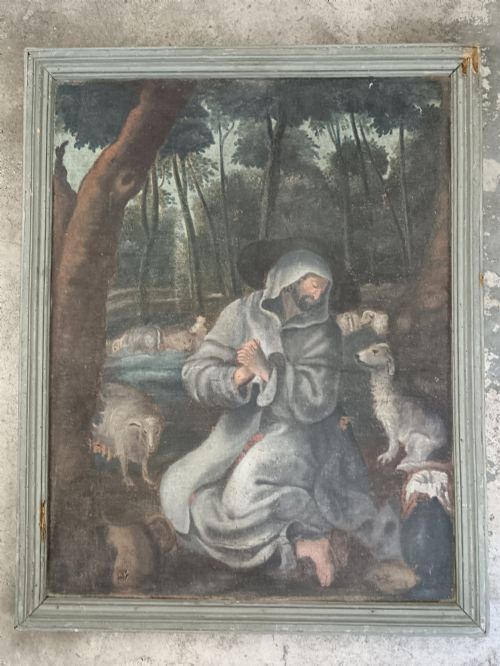
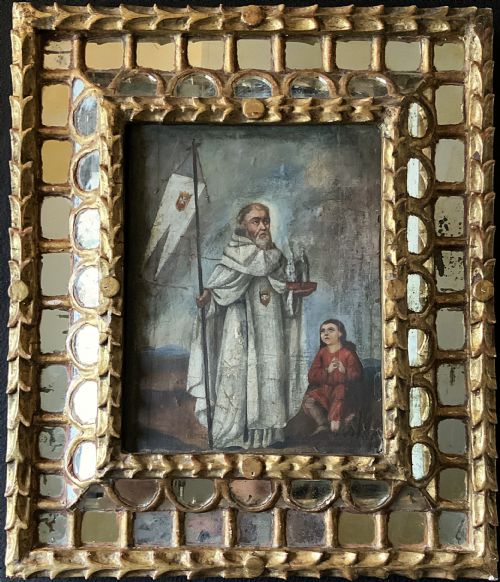
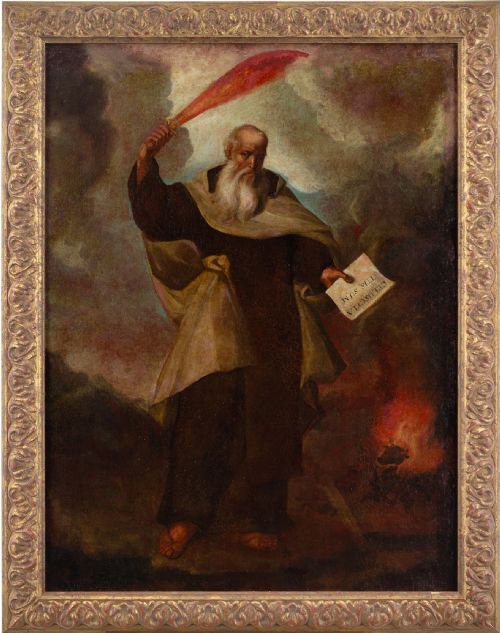
A 17th century religious portrait presents sacred figures, saints, and clergymen rendered in oil upon canvas, copper, or wood panel. These artworks emerge from various regional schools including Italian, Spanish, and British traditions.
Buyers encounter depictions of holy personages such as the Holy Face of Jesus, Mary, Saint Francis, and historical figures like Richard Baxter or Martin Luther. These pieces reflect the profound spiritual focus and artistic conventions of the period.
The selections span distinct geographical aesthetics, encompassing Spanish Colonial interpretations, Italian Baroque styling, and English portraiture. Each work bridges devotional purpose with the portraiture styles of the seventeenth century.
Materials and Techniques
Painters of the era utilised oil paint applied to canvas, prepared wood panels, or small copper plates to achieve lasting depth and luminosity. Giltwood frames frequently complement these works, encasing the painted surface with decorative carved wood.
Artists employed meticulous layering of oil pigments to capture the delicate expressions of saints and clergy. The physical supports range from woven canvas and fruitwood panels to solid copper sheets, dictating the texture and preservation of each painting.
17th Century Religious Portrait Retail Price Guide 2026
Typical asking prices for 17th century religious portrait among the pieces listed under this phrase on Sellingantiques today, from the lower quarter to the upper quarter. They describe what is for sale here now, not the wider market.
Listings feature canvas, copper, and fruitwood panel as supports for oil paint, framed predominantly in giltwood.
Evaluating Quality in Period Works
The distinction between works rests upon the subtlety of brushwork, the expressiveness rendered in the faces of holy subjects, and the handling of light characteristic of Baroque art. Superior examples display confident draughtsmanship and careful anatomical proportion.
Condition and originality significantly influence the standing of a piece, alongside the strength of attribution to specific regional schools or master circles. The integration of period frames, such as carved giltwood, further enhances the integrity of the object.
Gaspar de Figueroa·Gian Lorenzo Bertolotto·Guido Reni·Adriaen Van der Werff·John Scougall
The 17th Century Religious Portrait Glossary
- Baroque
- A European style of art spanning the seventeenth and early eighteenth centuries, characterised by drama, tension, and deep chiaroscuro lighting. This movement heavily influences the emotional intensity found in period religious portraits.
- Oil paint
- A slow-drying medium consisting of pigment suspended in oil, widely utilised by seventeenth-century artists for its blending capabilities. It allows for rich colour saturation and smooth tonal transitions.
- Pentimento
- An alteration in a painting, evidenced by underlying traces of previous brushstrokes that have become visible through the upper layers of paint. This phenomenon often reveals the artist's evolving composition.
- Giltwood
- Wood that has been covered with a thin layer of gold leaf or gold paint, frequently used for ornate seventeenth-century frames. Such frames provide a complementary metallic border to the dark tones of oil paintings.
- Copper panel
- A rigid metal support sheet used by some artists instead of canvas for small-scale detailed paintings. Copper provides a smooth, stable surface that preserves fine brushwork over centuries.
17th Century Religious Portrait: Frequently Asked Questions
What is a 17th century religious portrait?
A 17th century religious portrait is a fine art painting depicting saints, biblical figures, or prominent religious leaders created during the seventeenth century.
These works reflect the diverse regional styles of European and colonial schools, utilising oil paint on canvas, copper, or wood.
How were these paintings constructed?
Artists applied oil paints onto prepared surfaces such as woven canvas, fruitwood panels, or small copper sheets.
Many of these historical artworks remain housed within their original or period-appropriate giltwood frames.
How do I care for a historic oil painting?
Historic oil paintings require stable environmental conditions away from direct sunlight, excessive humidity, and rapid temperature fluctuations.
Dusting should be performed gently with a soft, dry brush by someone experienced with delicate surfaces.
How can I tell different regional schools apart?
Regional schools often display distinct stylistic traits, such as the dramatic lighting of Italian Baroque or the sombre sobriety of English portraiture.
Attributions are further indicated by technique, subject matter, and materials typical of specific geographic workshops.