
Baroque Master Artwork
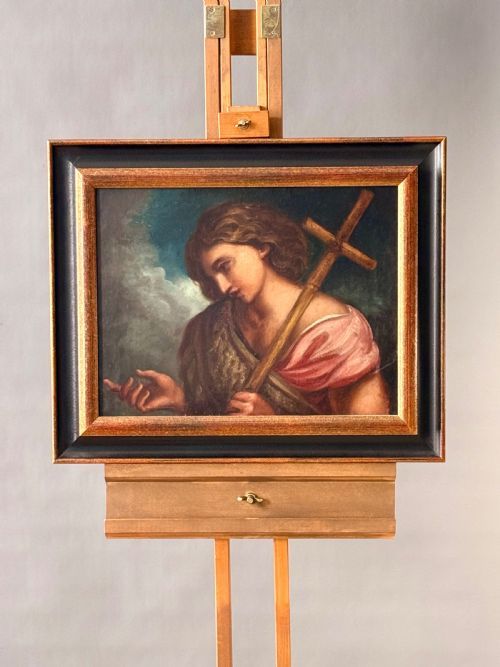
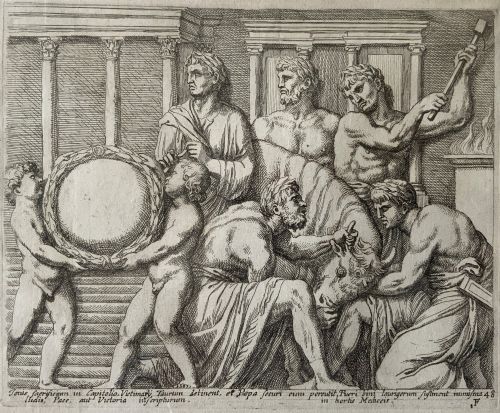
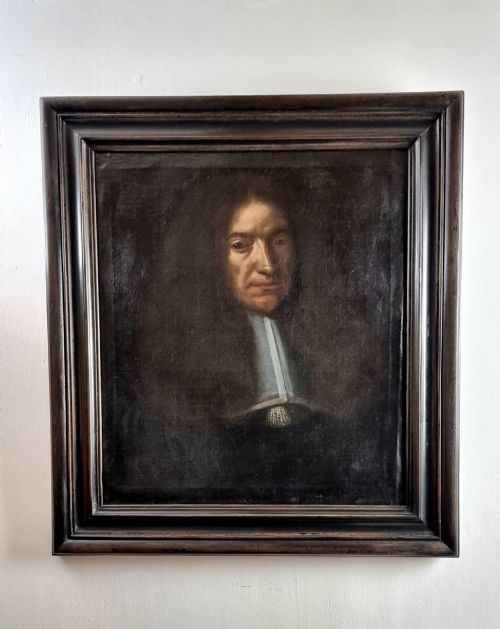
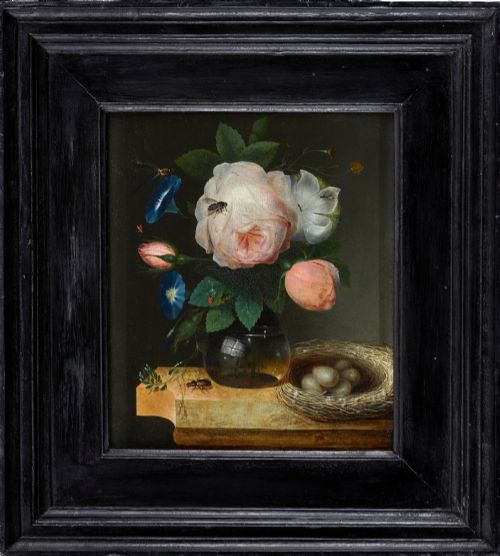
When searching for baroque master artwork, you examine paintings and prints from seventeenth and eighteenth century European schools that portray religious, classical and portrait subjects.
Baroque Master Artwork
When looking for baroque master artwork, you encounter oil paintings, etchings, and engravings created across European artistic centres during the seventeenth and eighteenth centuries. These pieces encompass religious narratives, mythological scenes, pastoral landscapes, and formal portraiture executed within Dutch, Flemish, Italian, and Spanish traditions.
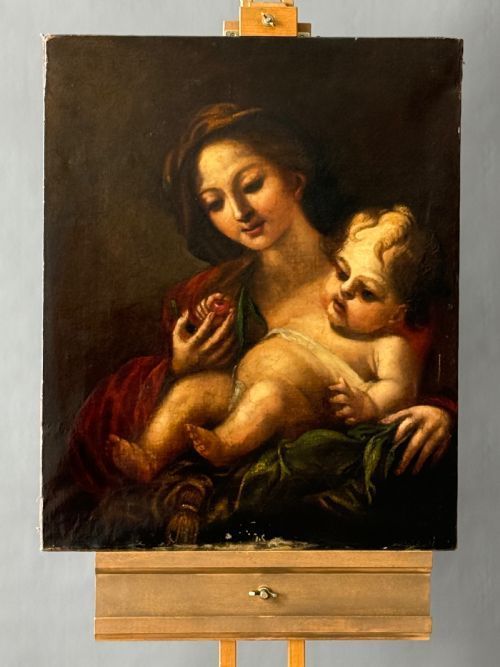
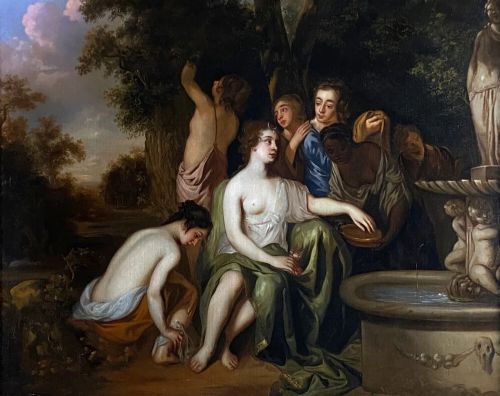
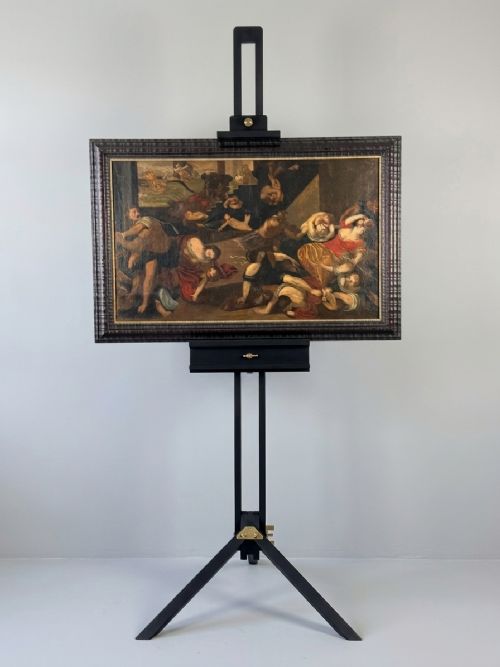
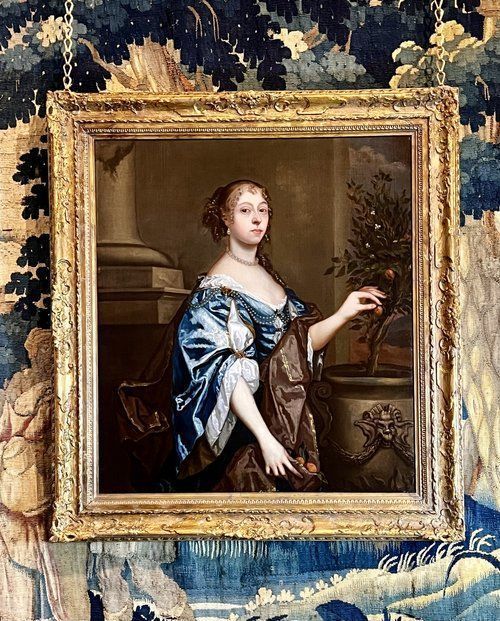
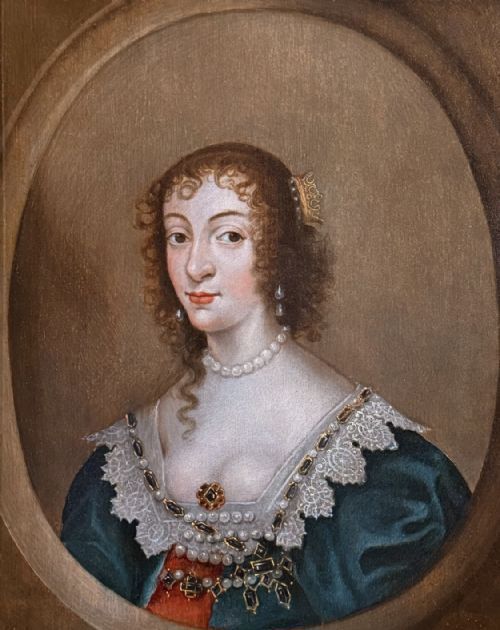
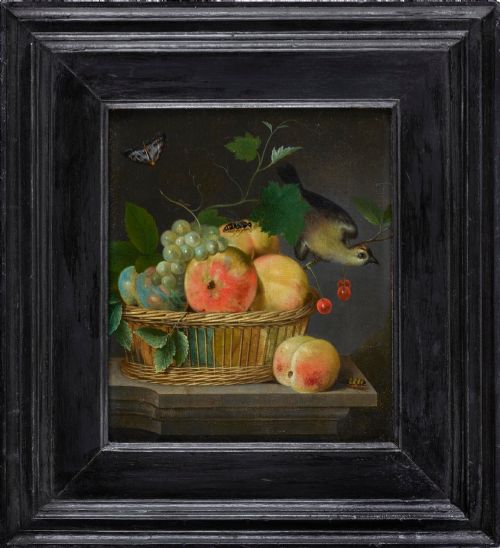
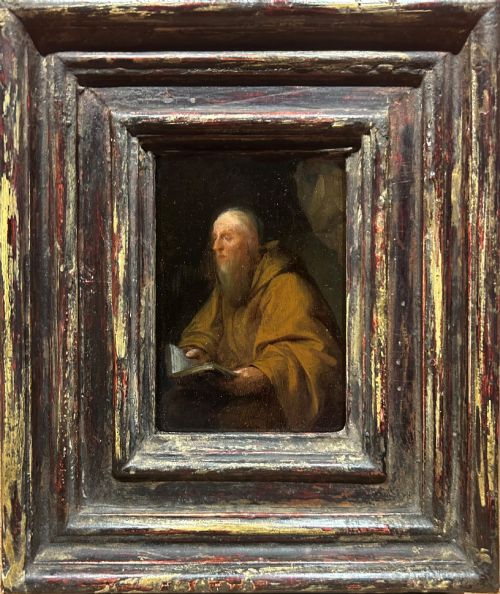
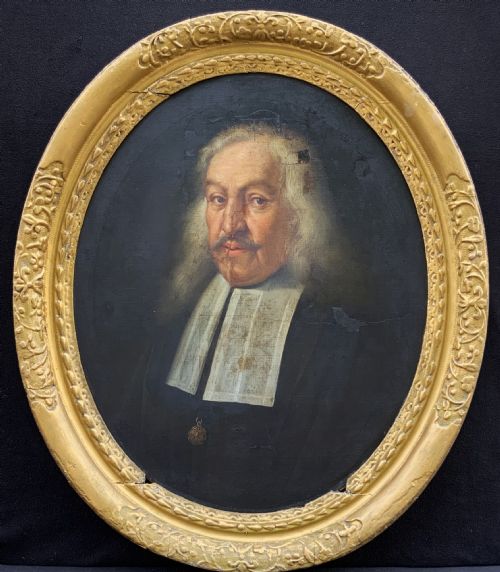
The version most commonly met on this page is the oil on canvas or panel portrait, alongside mythological or biblical history paintings and still lifes. Many pieces originate from the circles, workshops, or followers of prominent seventeenth-century painters rather than primary hands.
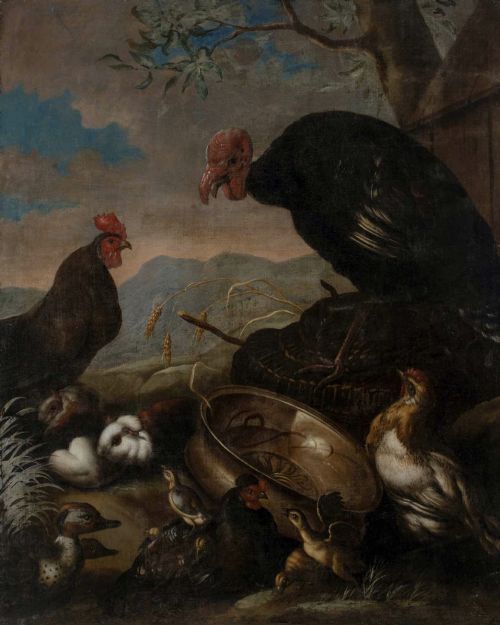
Subjects range from noble sitters in ruff collars to animals in ruined landscapes and quiet domestic scenes. The aesthetic prioritises dramatic lighting, rich textures, and expressive figures typical of the period.
How They Were Made
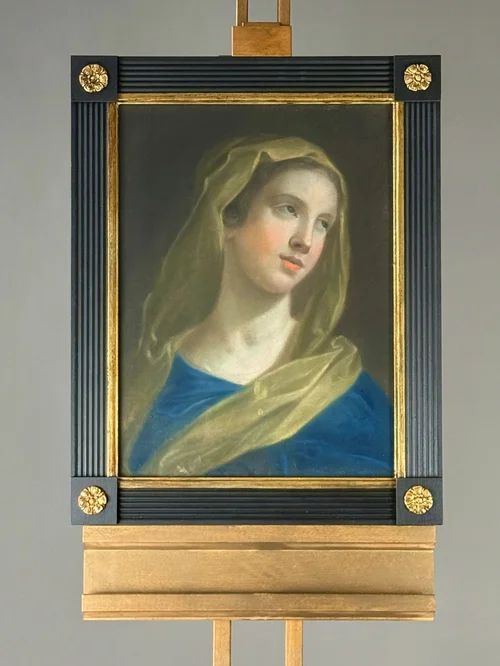
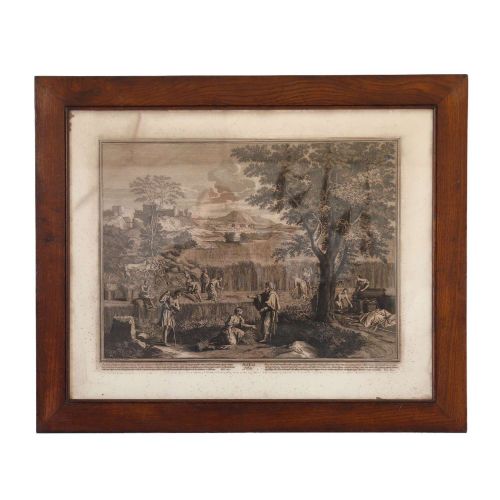
Makers built these works primarily using oil paint applied to woven canvas or sturdy wood panels, occasionally utilising pastel on paper or producing copper plate engravings and etchings. Pigments were layered to achieve deep shadow and luminous highlights, characteristic of the seventeenth-century palette.
Finished canvases were often housed in heavy giltwood frames featuring carved ornamentation that complemented the dark, theatrical tones of the artwork within. Panels required prepared wooden supports, while prints relied on inked matrices pressed onto laid paper.
Several seventeenth-century canvases preserve the suspicious side-glances of dogs stealing food from wicker baskets.
What Varies in Quality
The distinction between works rests on the handling of paint, anatomical precision, and the directness of the hand involved, separating studio assistants and followers from the primary master. A piece showing confident brushwork in fabric folds and expressive facial modelling demonstrates superior execution.
Condition also plays a significant role, including the stability of the original canvas or oak panel, the extent of historical retouching, and the integrity of the surface varnish. Surviving contemporary giltwood frames enhance the overall coherence of the piece.
Sir Peter Lely·Angelo Maria Crivelli·Pieter Borsseler·Benedetto Luti·John Smith·Sir Anthony Van Dyck·Gaspar Peeter Verbruggen·Jan van Staveren·Nicolas Poussin·Godfried Schalcken·Frans Snyders·Nicolaes Maes·David Teniers·Cornelis Van Poelenburgh·Francesco Solimena·Philipp Peter Roos·Marmaduke Cradock·Jacob Bogdani·Nicolas De Largilliere·Rembrandt van Rijn
The Baroque Master Artwork Glossary
- Baroque
- A European artistic style spanning the seventeenth and early eighteenth centuries, characterised by drama, deep shadow, and exuberant detail. This movement emphasised movement and tension in both portraiture and narrative scenes.
- Old Master
- A term applied to European painters of skill working before about eighteen hundred. These artists typically trained through guild workshops.
- Panel
- A rigid support for paintings, commonly oak during the seventeenth century. Panels provide a smooth, stable ground for detailed oil application.
- Mezzotint
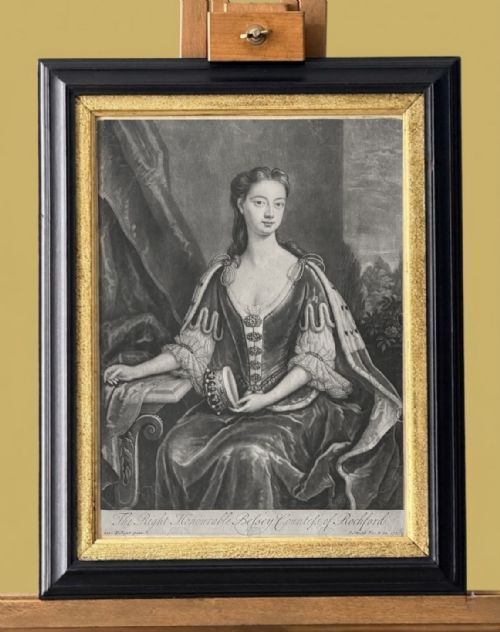
- A printmaking process where the copper plate is roughened to allow rich tonal variations in dark areas. This technique achieved subtle gradations suited to portraiture.
- Etching
- A print method where acid bites lines into a metal plate prepared with a resistant ground. Artists used this to create linear details in illustrative works.
Baroque Master Artwork: Frequently Asked Questions
What subjects appear in baroque master artwork?
These works display a wide array of subjects including biblical narratives, classical mythology, and portraits of nobility and judges. You also find still lifes featuring fruit, glass vases, and animals within landscape settings.
Religious scenes often depict saints or holy families, while portraits highlight elaborate historical costumes, ruff collars, and satin dresses.
How can I tell a seventeenth-century painting from later copies?
Examination of the support materials, such as hand-woven canvas or old oak panels, provides initial clues to age. Pigment analysis and the style of preparation layers also help confirm period authenticity.
Furthermore, the handling of light and shadow in genuine seventeenth-century pieces reflects contemporary studio practices rather than later imitation.
Are these pieces originals or prints?
The selection includes both unique oil paintings executed directly on canvas or panel and printed works such as engravings and mezzotints. Each listing specifies whether the item is a painted canvas or a paper print.
Original paintings feature textured brushstrokes, whereas prints display ink embedded within paper fibres from an etched or engraved plate.
How do I display antique oil paintings at home?
Antique oil paintings require stable environmental conditions away from direct sunlight and severe humidity fluctuations. Hanging them on interior walls helps protect the canvas and the wooden stretcher bars.
Pairing the painting with its period frame, such as a carved giltwood border, maintains historical context and supports the weight of the structure.