
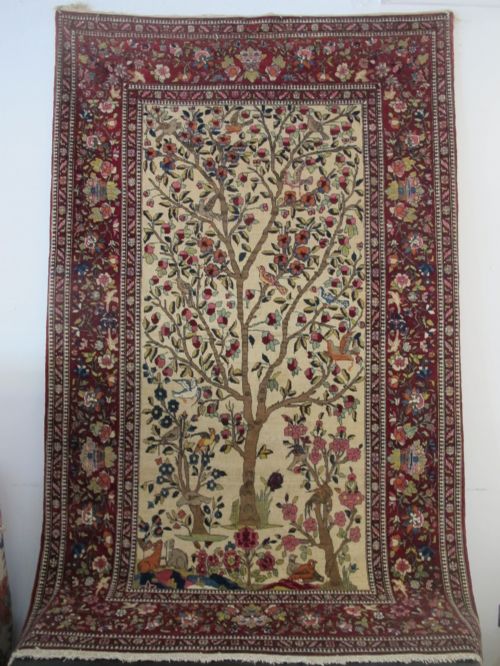


Isfahan Floral Carpet
An isfahan floral carpet brings the refined artistry of central Persia into a room, offering intricate medallion and tree of life designs.
Isfahan Floral Carpet
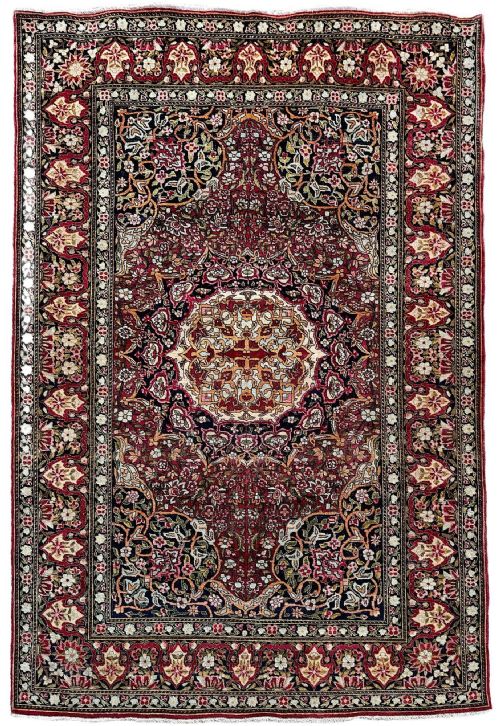
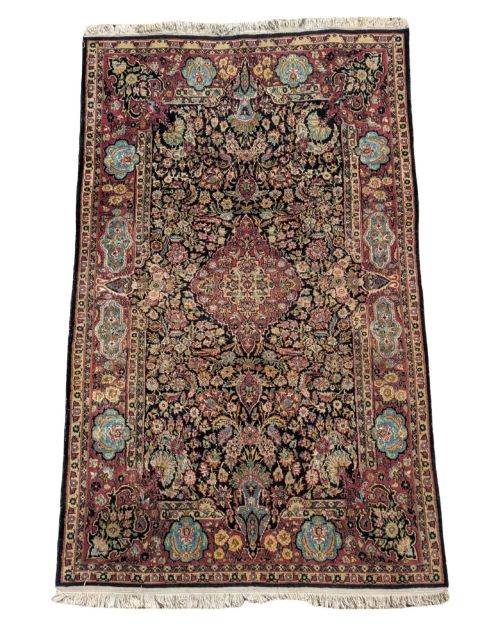
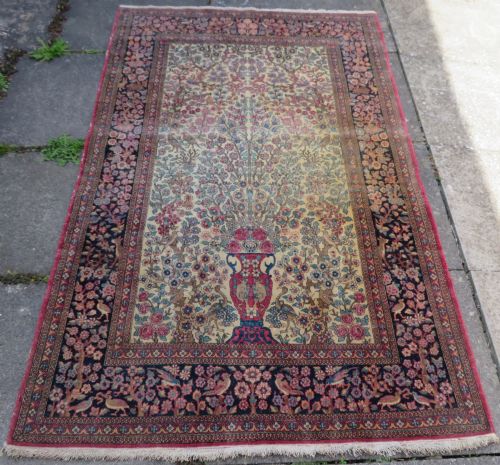
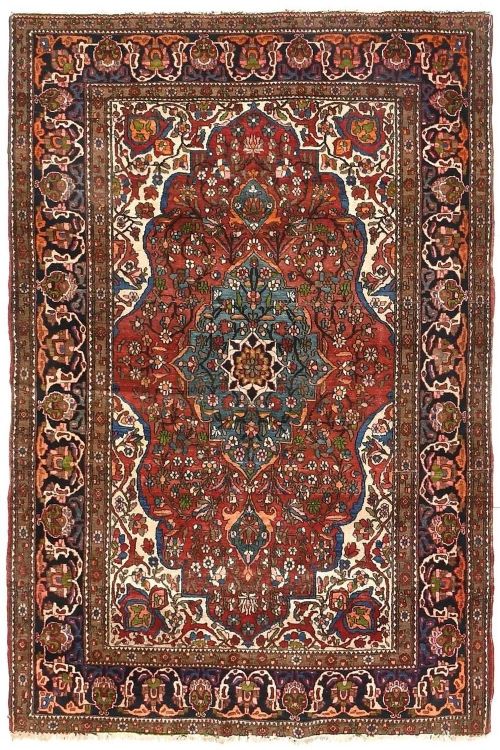
An isfahan floral carpet belongs to a tradition of fine weaving originating from central Persia. These pieces arrive in various sizes, ranging from smaller rugs to larger carpets suitable for principal rooms.
The pieces on this page date from the late nineteenth century through to the nineteen thirties. Buyers meet traditional Persian formats, including classic small medallion patterns and tree of life compositions.
Most examples originate directly from central Persia and carry the distinctive design vocabulary associated with Isfahan workshops. They function practically as floor coverings while serving as decorative centerpieces.
Materials and Construction
Weavers constructed these carpets using natural materials such as wool, cotton, and occasionally silk. Foundation structures typically rely on cotton, while pile elements utilise wool or lambswool for durability and texture.
Certain finer examples incorporate silk highlights or feature a lambswool pile set upon a silk foundation. These material combinations allowed makers to achieve intricate detail and varied surface depth within the field.
Some carpets feature silk highlights that catch the room light, rewarding those who walk past them at different times of day.
Assessing Quality and Execution
The distinction between standard examples and finer pieces rests in the density of the weave and the precision of the design execution. Tighter knotting permits sharper rendering of floral motifs and medallions.
Material selection also defines the upper tier of the range, particularly pieces employing silk highlights or fine lambswool foundations. The handling of traditional Persian design elements determines the overall visual impact.
Ahmadi
The Isfahan Floral Carpet Glossary
- Medallion
- A central ornamental motif set in the middle of the carpet field. This design element frequently anchors the symmetrical floral layout typical of Persian weaving.
- Foundation
- The structural base of the carpet, consisting of warp and weft threads. Cotton and silk serve as common foundation materials in these pieces.
- Pile
- The upright yarn loops that form the usable surface of the carpet. Wool, lambswool, and silk comprise the pile materials recorded in the evidence.
- Tree of life
- A traditional pictorial motif depicting a symbolic tree surrounded by flora and fauna. This design holds deep roots in Persian textile art.
Isfahan Floral Carpet: Frequently Asked Questions
How do I date an isfahan floral carpet?
Dating relies on stylistic markers, material combinations, and structural characteristics recorded in pieces from the late nineteenth and early twentieth centuries.
Comparative analysis of classic medallion designs and weave density helps place an example within periods spanning from eighteen ninety to nineteen thirty.
What materials are used in these carpets?
The primary materials include wool, cotton, and silk, with some examples utilising lambswool piles on silk foundations.
These natural components provide both the structural integrity of the foundation and the soft texture of the surface.
Are these carpets from central Persia?
The pieces originate from central Persia, reflecting the specific regional styles associated with Isfahan.
Traditional Persian design elements and classical medallion patterns distinguish these regional works from other weaving traditions.
How do I care for an antique rug?
Proper maintenance involves regular gentle vacuuming without rotating brushes and keeping the textile away from direct sunlight.
Professional cleaning suited to natural wool and silk fibres preserves the integrity of the pile and foundation over time.