





Iron Mud Scraper
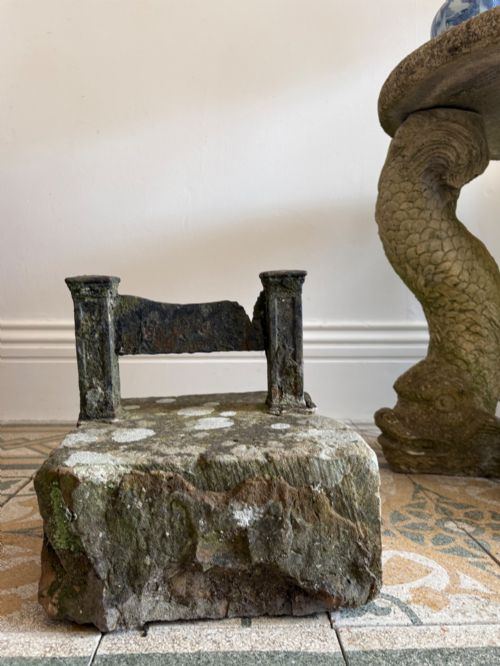
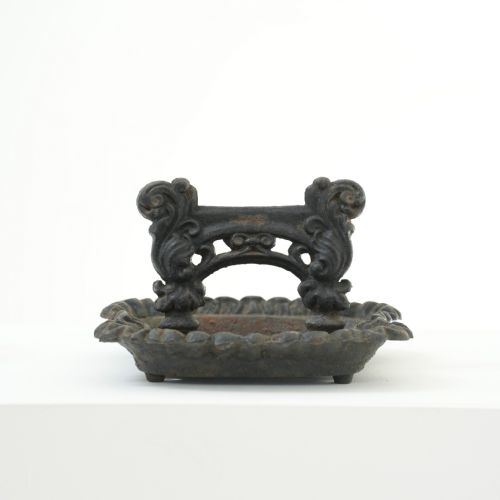
An iron mud scraper is a sturdy threshold fixture designed to clear thick soil from footwear before entering the house.
Iron Mud Scraper
When you search for an iron mud scraper, you encounter robust entrance fixtures designed to keep the domestic interior clean. These pieces date principally from the Georgian and Victorian periods, reflecting the unpaved roads and muddy conditions of past centuries.
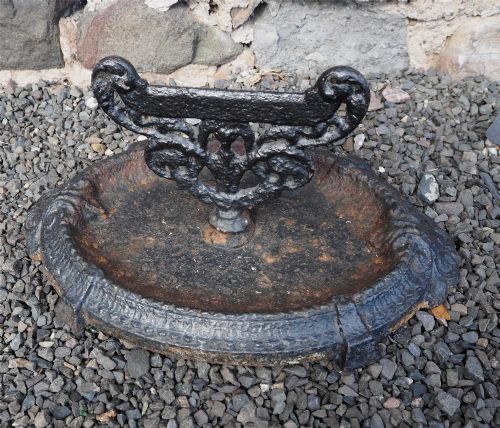
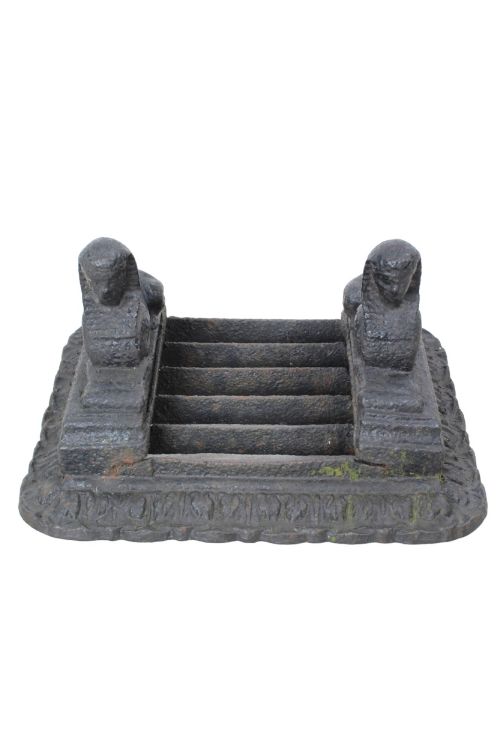
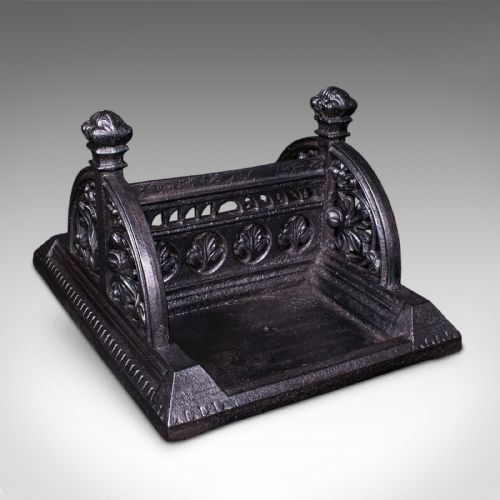
The versions most commonly met on this page are cast iron examples intended for domestic doorways, often incorporating integral shoe pulls or mounted into solid stone bases. They range from simple utilitarian country house designs to ornate Gothic Revival and Egyptian Revival town variations.
How they were made
Foundry work dominates the construction, utilising durable cast iron poured into moulds to create rigid blades and decorative frames. Wrought iron also appears in earlier pieces, shaped by hand into simpler, functional scraping bars.
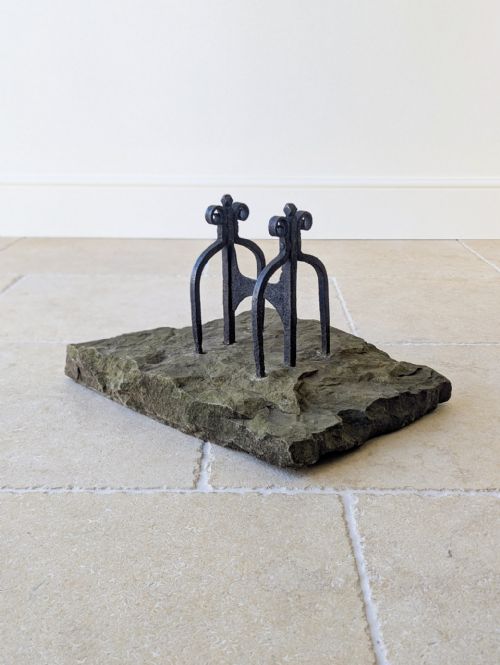
Many examples are anchored into heavy blocks of stone or Yorkstone to provide the necessary stability during use. This combination of cast metal and quarried stone ensures the fixture remains firmly planted beside the entrance step.
What varies in quality
Quality rests in the weight of the metal and the integrity of the mounting base, where thicker castings and solid stone anchors distinguish substantial country house models from lighter iterations. Finer examples display crisper decorative detailing in revival styles.
The presence of integrated shoe pulls adds complexity and utility, separating basic blades from more comprehensive entrance cleaners. Surface preservation also matters, with intact structural forms holding greater appeal than heavily corroded pieces.
Coalbrookdale
The Iron Mud Scraper Glossary
- Boot scraper
- A metal blade fixed near a doorway for scraping mud and dirt from the soles of boots. They sit directly outside the entrance to catch debris before it crosses the threshold.
- Shoe pull
- An upright loop or handle attached to a scraper to help steady the foot while removing footwear. These are frequently found on townhouse and country house models.
- Yorkstone
- A tough, durable sandstone quarried in Yorkshire, commonly used as a heavy base block for mounting scrapers. Its weight keeps the iron fixture stable.
- Gothic Revival
- An architectural and decorative style drawing on medieval forms, seen here in pointed arches and architectural motifs on Victorian scrapers.
Iron Mud Scraper: Frequently Asked Questions
Where were iron mud scrapers placed?
These fixtures were positioned immediately outside front doors, porches, or carriage entrances of houses. They stood where visitors and residents naturally paused before stepping inside.
Their location ensured that heavy mud and dirt from unpaved streets stayed off interior floors and carpets.
How do I tell Georgian from Victorian scrapers?
Georgian models often feature simpler wrought iron bars or early cast forms paired with hand-hewn stone blocks. Victorian examples frequently introduce heavier cast iron frames and stylistic revivals.
Victorian pieces also tend to incorporate integrated shoe pulls and more ornate decorative patterns reflecting industrial production methods.
What is the stone block for?
The stone block acts as a heavy anchor that keeps the metal blade steady under downward pressure. Without this weight, the scraper would wobble or pull loose from the ground.
Yorkstone and hewn stone blocks provide both the necessary ballast and a neat mounting surface for the threshold.
Did these scrapers come in pairs?
Larger country houses sometimes utilised matching pairs of scrapers at grand entranceways. This setup accommodated heavy traffic and multiple visitors arriving simultaneously.
Most surviving examples, however, appear as single units designed for standard residential doorways.