





Iron Deed Box
An iron deed box is a sturdy security container designed to protect valuable documents, and you want one for its robust industrial character.
Iron Deed Box
An iron deed box encompasses heavy cast iron locking safes, steel keepsake cases, and painted iron storage chests built to secure important papers. When searching for an iron deed box, you encounter items spanning the seventeenth to the twentieth centuries, featuring distinct industrial and Victorian styles.
The selections available include English, Scottish, French, and Scandinavian examples, ranging from heavy chest safes to fall front storage boxes. Many retain original finishes, keys, or functional locking mechanisms.
Victorian and nineteenth-century pieces dominate the selection, often associated with makers like Milners of Liverpool or George Price. Alongside these, earlier seventeenth-century leather or wood boxes with iron elements appear.
How they were made
Construction relies heavily on cast iron, wrought iron, and steel plates, joined to create impenetrable storage. Metal bound boxes incorporate wood, such as chestnut, supplemented by brass fittings and applied paint.
Surfaces feature hand-painted finishes, original colour schemes, and structural reinforcement like metal banding. Interiors often include complex locking mechanisms and combination dials, particularly in French and English examples.
Iron Deed Box Retail Price Guide 2026
Typical asking prices for iron deed box among the pieces listed under this phrase on Sellingantiques today, from the lower quarter to the upper quarter. They describe what is for sale here now, not the wider market.
The listings span from seventeenth-century wood and leather boxes to twentieth-century steel keepsake cases, with a strong representation of Victorian cast iron safes.
What varies in quality
Quality differentiates by the complexity of the locking mechanism, from standard iron locks to three-dial combinations and patented systems. The survival of original keys and uncompromised painted surfaces elevates an example significantly.
The integrity of the heavy cast iron or steel body, alongside fine details such as Gothic carving on wood housings, determines the standing of a piece. Maker attribution, through stamps or known factory provenance, adds further distinction.
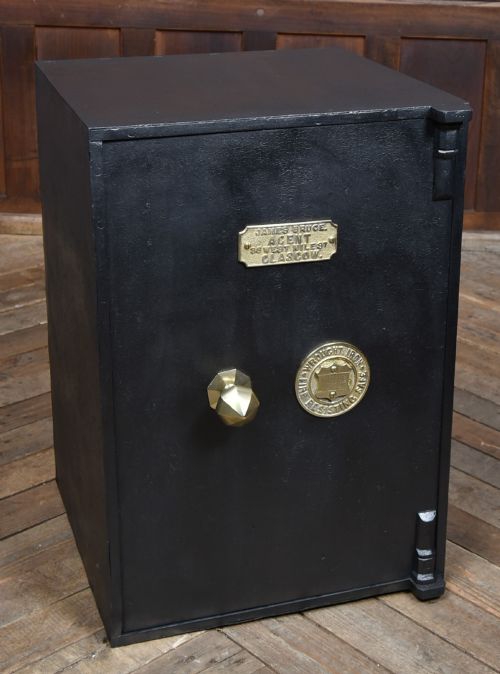
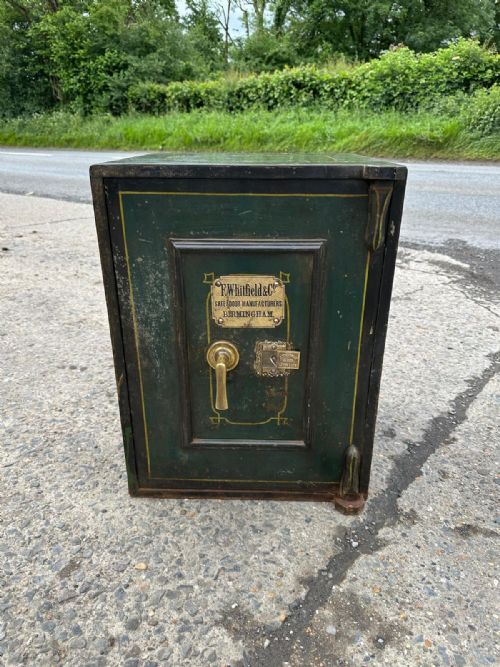
James Bruce, Glasgow·F. Whitfield and Co.·Milners of Liverpool·George Price
The Iron Deed Box Glossary
- Deed box
- A secure container traditionally used for storing legal documents, land indentures, and valuable papers. These boxes rely on robust metal construction to deter theft and fire.
- Strongbox
- A heavily reinforced metal safe designed for storing currency, plate, and high-value items. They feature thick cast iron or steel walls and complex internal locks.
- Fall front
- A cabinet or box design featuring a front panel that hinges downwards to open. This mechanism provides horizontal access to interior storage compartments.
- Cast iron
- Iron poured into a mould to shape, known for its high compressive strength. It forms the heavy protective housing of nineteenth-century safes.
- Metal bound
- A method of reinforcing wooden chests and boxes with straps of iron or steel. This technique adds structural rigidity and resistance to forced entry.
Iron Deed Box: Frequently Asked Questions
What is an iron deed box?
An iron deed box is a heavy metal container built to secure legal papers, deeds, and valuables against theft or damage. These containers date from the seventeenth century through to the twentieth century and utilise robust materials like cast iron and steel.
They serve as practical storage items with a distinct industrial aesthetic, often featuring original locks, keys, and painted surfaces.
How do I date an iron deed box?
Dating relies on construction techniques, materials, and stylistic markers such as Victorian industrial design or seventeenth-century Gothic carving. Maker marks, patent stamps, and structural forms provide further clues to the period of origin.
Examining the type of metal, from early hand-wrought iron to later cast iron and steel, helps narrow down the manufacturing era.
Are original keys usually included?
Many surviving deed boxes retain their original keys or functional locking mechanisms, though some are sold as decorative storage. Safes from makers like Milners or George Price often feature specific stamped locks.
The presence of an original working key adds significantly to the historical completeness of the piece.
How should I clean a painted iron box?
Conservation requires gentle dusting and the preservation of original painted surfaces rather than aggressive polishing. Metal components benefit from light protection to prevent corrosion while maintaining their historic finish.
Harsh chemical cleaners should be avoided to protect nineteenth-century paints and patinas.