



Irish Chippendale Furniture
Irish Chippendale furniture brings robust proportions and carved ornament to your interior, offering substantial mahogany tables and seating made to last.
Irish Chippendale Furniture
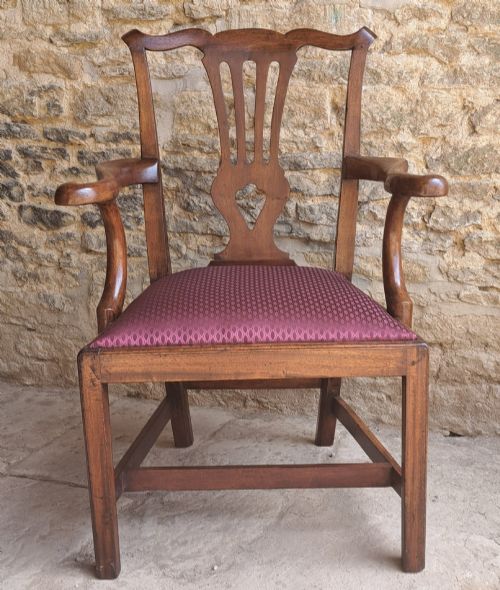
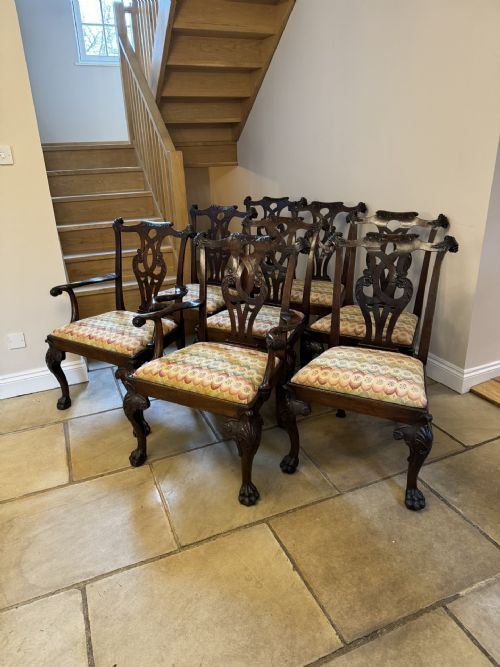
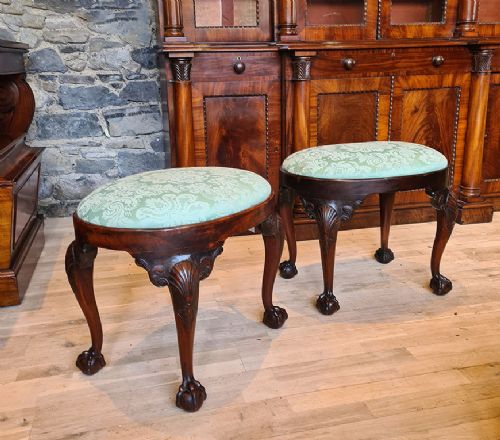
When you search for irish chippendale furniture, you encounter substantial seating and tables from the eighteenth and nineteenth centuries, often rendered in rich timber. These pieces range from armchairs and dining chairs to side tables, card tables, and console tables, reflecting the distinct craftsmanship associated with Irish workshops of the period.
The pieces appearing on this page span the eighteenth century and the later Victorian revival, offering both original Georgian examples and nineteenth-century interpretations. You will find sturdy mahogany armchairs alongside side tables and stools, each demonstrating the confident carving and robust proportions typical of the tradition.
Materials and construction methods
Makers relied heavily on mahogany as the primary timber, complemented by walnut, brass hardware, and specialised upholstery fabrics such as tapestry and leather. This dense wood allowed craftsmen to execute deep, crisp carvings on legs, aprons, and crest rails without compromising the structural integrity of the frame.
Joinery techniques combined traditional frame construction with sophisticated carving, utilising sturdy mortise and tenon joints to support heavy usage. Tables and seating units frequently feature detailed hand-carved elements applied directly to the solid timber components.
What separates the finest examples
Quality rests in the depth and sharpness of the carved detail, where superior examples exhibit crisp edges and fluid lines rather than softened, shallow ornamentation. The selection of the timber also plays a crucial role, with well-figured mahogany grain enhancing the overall visual weight of the piece.
The integrity of the construction and the retention of original components determine the standing of an item. Pieces that maintain their structural cohesion alongside period upholstery materials or appropriate secondary woods command greater attention from collectors.
Butlers of Dublin·Hicks of Dublin
The Irish Chippendale Furniture Glossary
- Mahogany
- A durable, dense tropical hardwood imported for high-end furniture production during the Georgian era. Its stability made it the favored medium for intricate carving.
- Console table
- A wall-mounted or freestanding table designed to sit against a wall, frequently featuring an ornamented frieze and heavy legs. These tables served both decorative and functional roles in formal rooms.
- Tallboy
- A tall chest of drawers consisting of two sections, one stacked upon the other, providing substantial vertical storage. They were constructed in mahogany with careful attention to drawer proportion.
- Bureau cabinet
- A writing desk combined with shelving or enclosed storage above, raised on a stand or legs. This form integrated workspace with display capabilities.
- Revival
- A later stylistic movement, particularly prominent in the nineteenth century, which replicated earlier eighteenth-century designs. Revival pieces utilised period methods while reflecting the manufacturing standards of their own time.
Irish Chippendale Furniture: Frequently Asked Questions
How do I identify Irish Chippendale furniture?
Irish pieces often display heavier proportions, bolder carving, and distinct timber choices compared to their English counterparts. Look for robust frames and confident detailing on the legs and aprons.
Examination of the secondary woods and construction methods further helps distinguish these regional characteristics from mainland British production.
What is the difference between Georgian and revival pieces?
Eighteenth-century examples were produced during the active period of the style, showing period-appropriate wear and construction techniques. Nineteenth-century revival pieces recreated these forms later, often during the Victorian era.
Both categories appear on this page, requiring careful inspection of the timber ageing and joinery to determine the exact era of manufacture.
How should I care for antique mahogany surfaces?
Protect the wood from direct sunlight and drastic humidity changes to prevent the timber from drying out or cracking. Regular dusting with a soft, dry cloth maintains the finish without building up unwanted residues.
Avoid using modern silicone-based polishes, as they can penetrate the pores of antique wood and damage the original surface over time.
Were these tables used for dining?
Side tables, card tables, and console tables served various social functions in large houses, from holding lamps and decorative objects to hosting card games. Dining chairs and armchairs were similarly built for formal reception rooms rather than casual daily use.
Their sturdy mahogany construction ensured they could withstand the demands of entertaining in high-status domestic interiors.