




Iranian Oriental Carpet
An iranian oriental carpet brings centuries of textile artistry into a room, offering rich patterns and enduring warmth.
Iranian Oriental Carpet
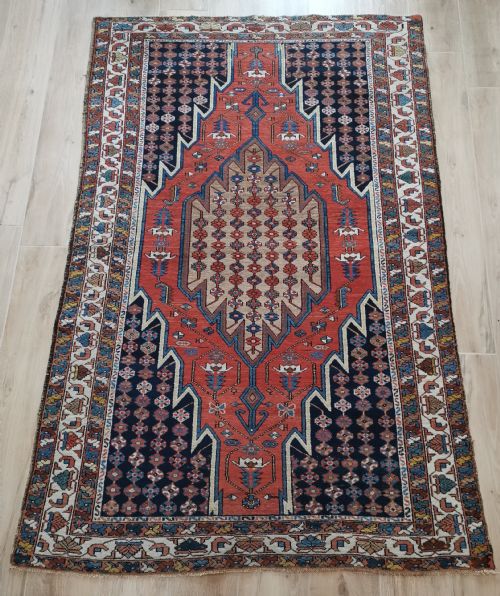
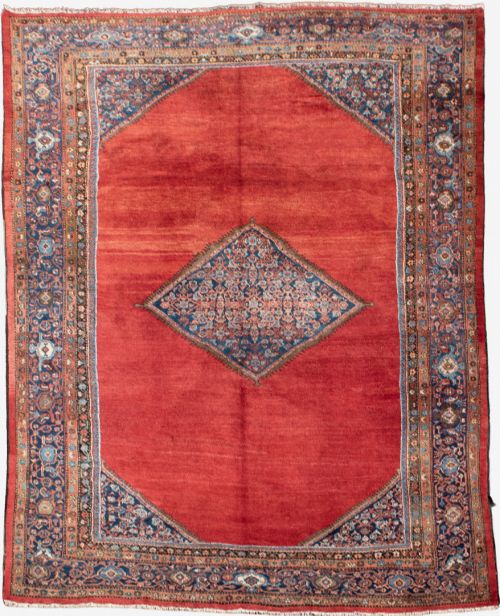
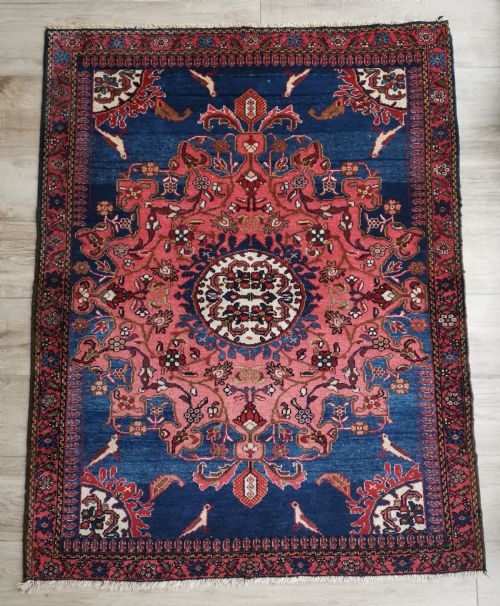
An iranian oriental carpet encompasses handwoven textiles originating from Persia, featuring distinct regional designs and traditions. These pieces include large room-size carpets, runners, and smaller rugs produced across various periods.
The selections available range from nineteenth-century Heriz and Ferahan carpets to twentieth-century Kashan, Qum, and Veramin examples. Traditional Persian styles and tribal formats dominate the offerings, spanning the late nineteenth century through the mid-twentieth century.
Buyers frequently encounter room-size carpets alongside specific regional rug types such as Mazlaghan, Tafresh, Abedeh, and Hamadan. Each piece reflects the characteristic motifs and weaving techniques of its specific origin.
Quality factors in Persian weaving
The distinction between standard examples and the finest carpets lies in the density of the knotting and the precision of the design execution. Tighter knots allow for sharper pattern definition and greater resilience under foot traffic.
The choice of materials also influences overall quality, with finer wool grades and the integration of silk yielding superior tactile and visual depth. Additionally, the complexity and harmony of the traditional colour palette dictate the standing of an individual piece.
Production dates span from the 1880s through the 1940s, capturing classic Persian workshop and tribal outputs.
The Iranian Oriental Carpet Glossary
- Heriz
- A style of Persian carpet known for bold geometric medallions and robust construction. These pieces originate from the Heris region in northwestern Iran.
- Ferahan
- A type of fine antique Persian carpet produced in the central region, recognised for delicate floral patterns and soft colour palettes. They often feature intricate Herati or Sarouk-influenced motifs.
- Kelleh
- A large format carpet, longer than it is wide, traditionally used in Persian domestic interiors. This format suits hallways or spacious living areas.
- Kashan
- A classic Persian weaving style originating from a historic city renowned for finely knotted floral designs and pictorial elements. These carpets utilise wool or silk to achieve high detail.
- Qum
- A modern centre of Persian carpet production established in the twentieth century, celebrated for exceptional silk and fine wool execution. Pieces from this origin display meticulous craftsmanship.
Iranian Oriental Carpet: Frequently Asked Questions
What is a Kashan prayer rug?
A Kashan prayer rug incorporates an architectural mihrab arch design at one end, intended to direct the placement of the rug during daily prayers. These pieces display refined floral arrangements and high knot densities reflecting urban workshop production.
The materials often include fine wool, sometimes accented with silk highlights to emphasise the intricate border and field details. Such rugs function both as decorative wall hangings and functional floor coverings.
Where were Hamadan rugs made?
Hamadan rugs originate from one of the oldest trading towns in Iran, serving as a collection and weaving hub for numerous surrounding villages. These pieces display varied geometric and stylized floral patterns influenced by local tribal traditions.
Carpets from this area frequently employ a camel-hair background or distinctive indigo blues and madder reds. Their robust construction makes them practical for high-traffic areas in the home.
How should I care for an antique carpet?
Maintain an antique carpet through regular gentle vacuuming without a rotating brush bar to prevent fibre damage. Professional cleaning by specialists in historic textiles ensures the preservation of natural dyes and foundation integrity.
Rotate the rug periodically to distribute wear evenly across high-traffic zones and exposure to sunlight. Placing a quality underlay beneath the carpet prevents slipping and reduces friction against hard floors.