






Inlaid Wooden Music Box
An inlaid wooden music box is a Victorian cylinder piece that brings period charm and mechanical melody to any room.

Inlaid Wooden Music Box
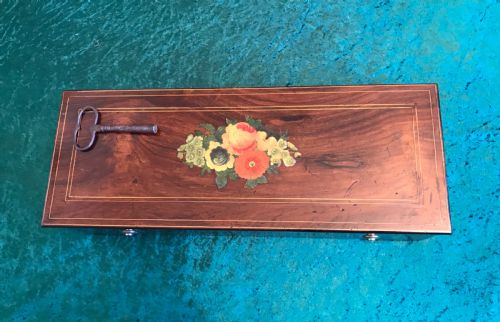
An inlaid wooden music box is a mechanical instrument housed in a timber case, dating from the Victorian period. These pieces originate around the middle to late nineteenth century, specifically spanning the decades between eighteen sixty and eighteen eighty.
The objects take the form of tabletop boxes containing rotating cylinders and tuned combs. Standard examples feature internal mechanisms designed to play multiple airs, often noting twelve distinct tunes on the comb arrangement.
Victorian makers produced these boxes in various scales, ranging from standard tabletop formats to large proportions. The physical evidence on this page shows music boxes defined simply by their wooden construction and cylinder mechanisms.
How They Were Made
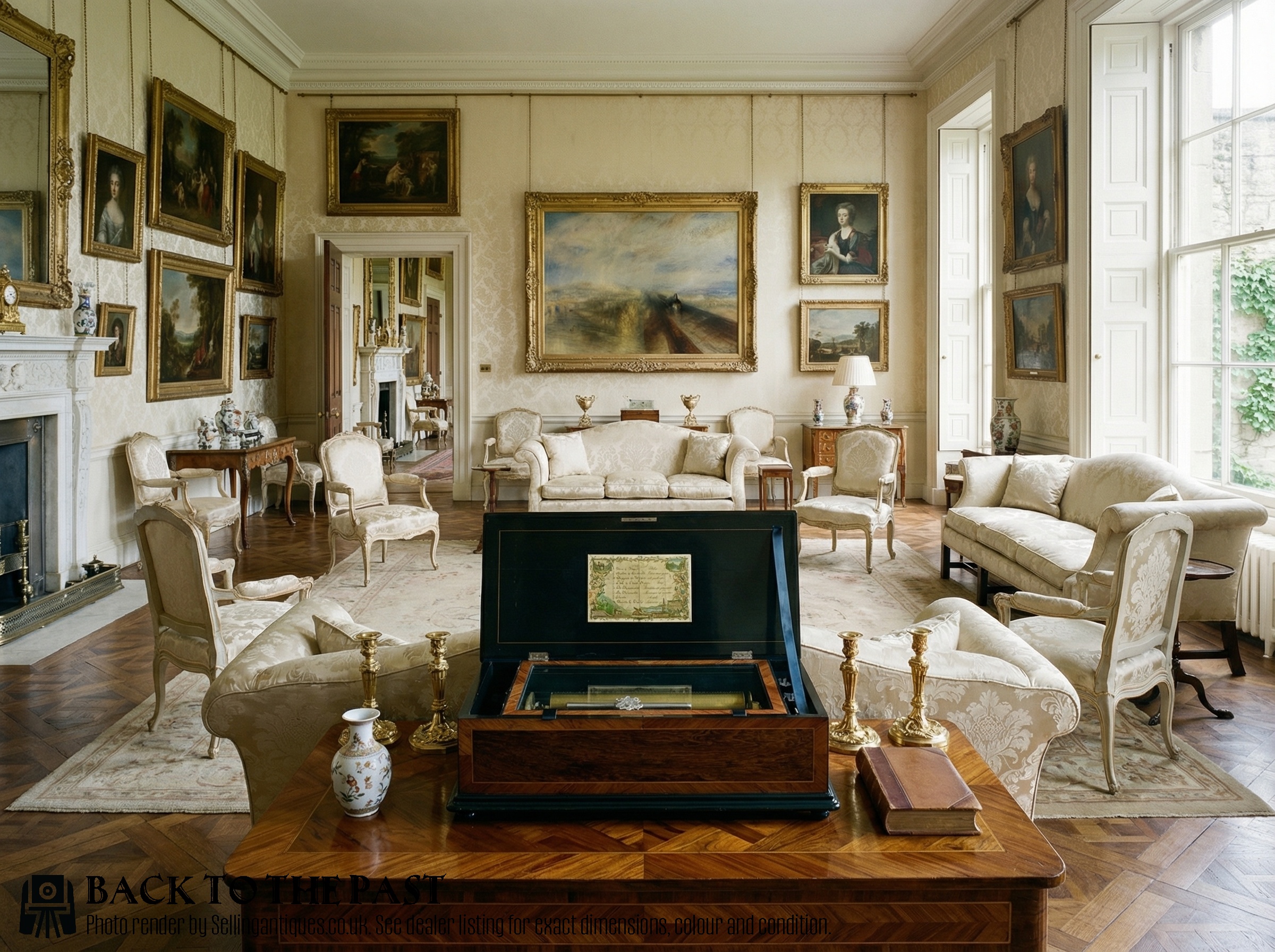
The construction of an inlaid wooden music box relies on timber carcases finished with marquetry inlay and decorative veneers. Makers utilised rosewood, walnut, and ebonised wood alongside contrasting mother of pearl details to decorate the exterior surfaces.
Internal components combine ferrous and non-ferrous metals to produce sound. Steel forms the rotating cylinders and the tuned combs, while brass works alongside glass components within the mechanical assembly.
Inlaid Wooden Music Box Retail Price Guide 2026
Typical asking prices for inlaid wooden music box among the pieces listed under this phrase on Sellingantiques today, from the lower quarter to the upper quarter. They describe what is for sale here now, not the wider market.
Selected nineteenth-century boxes explicitly counted their repertoire, leaving a precise record of twelve musical airs pinned to the rotating metal barrel.
What Varies in Quality
Quality in an inlaid wooden music box rests on the ambition of the casework and the complexity of the internal barrel. Superior examples demonstrate intricate marquetry inlay and substantial proportions that distinguish them from simpler boxes.
Musical capacity dictates the tier of the piece, with multi-air cylinder arrangements representing higher ambition than basic movements. The presence of named makers further elevates certain boxes above standard anonymous production.
Nicole Freres
The Inlaid Wooden Music Box Glossary
- Cylinder
- The rotating metal barrel set with pins that pluck the teeth of the comb to produce melody. This cylinder revolves repeatedly to play the pinned tunes.
- Comb
- The tuned metal plate with individual teeth that vibrate when struck by the pins on the rotating cylinder. Each tooth corresponds to a specific musical note.
- Marquetry inlay
- The art of applying pieces of veneer to a structure to form decorative patterns and pictures. This technique defines the exterior lid decoration of the boxes.
- Air
- A distinct tune or musical movement played by the mechanism. Boxes often specify the total count of these airs on their movements.
Inlaid Wooden Music Box: Frequently Asked Questions
What is an inlaid wooden music box?
An inlaid wooden music box is a Victorian mechanical instrument enclosed in a decorative timber case. These objects utilise pinned cylinders to play tunes across tuned metal combs.
They date from the mid to late nineteenth century, specifically appearing around eighteen sixty to eighteen eighty. The exteriors feature timber veneers and marquetry work.
How do these music boxes work?
These music boxes operate through an internal clockwork or spring mechanism that turns a pinned metal cylinder. As the cylinder rotates, the small pins strike specific teeth on a steel comb.
This action creates the arranged melodies. Many of these period boxes contain mechanisms capable of playing twelve distinct airs.
What materials are used in their construction?
The construction involves timber carcases finished with rosewood, walnut, or ebonised wood. Makers adorned the surfaces using marquetry inlay and mother of pearl details.
Internally, the mechanisms combine steel for the cylinders and combs with brass components. Glass is also found protecting or enclosing parts of the assembly.
How can I date a Victorian music box?
Dating relies on the stylistic markers of the Victorian period and specific cylinder movement designs. The evidence on this page shows pieces originating between eighteen sixty and eighteen eighty.
Some examples carry maker details or specific manufacturing dates inscribed on the internal components. Construction materials like rosewood and walnut also align with these nineteenth-century decades.