




Inlaid Wooden Dresser
An inlaid wooden dresser brings warmth and rich timber grain to a room, offering practical storage through centuries of cabinetmaking skill.
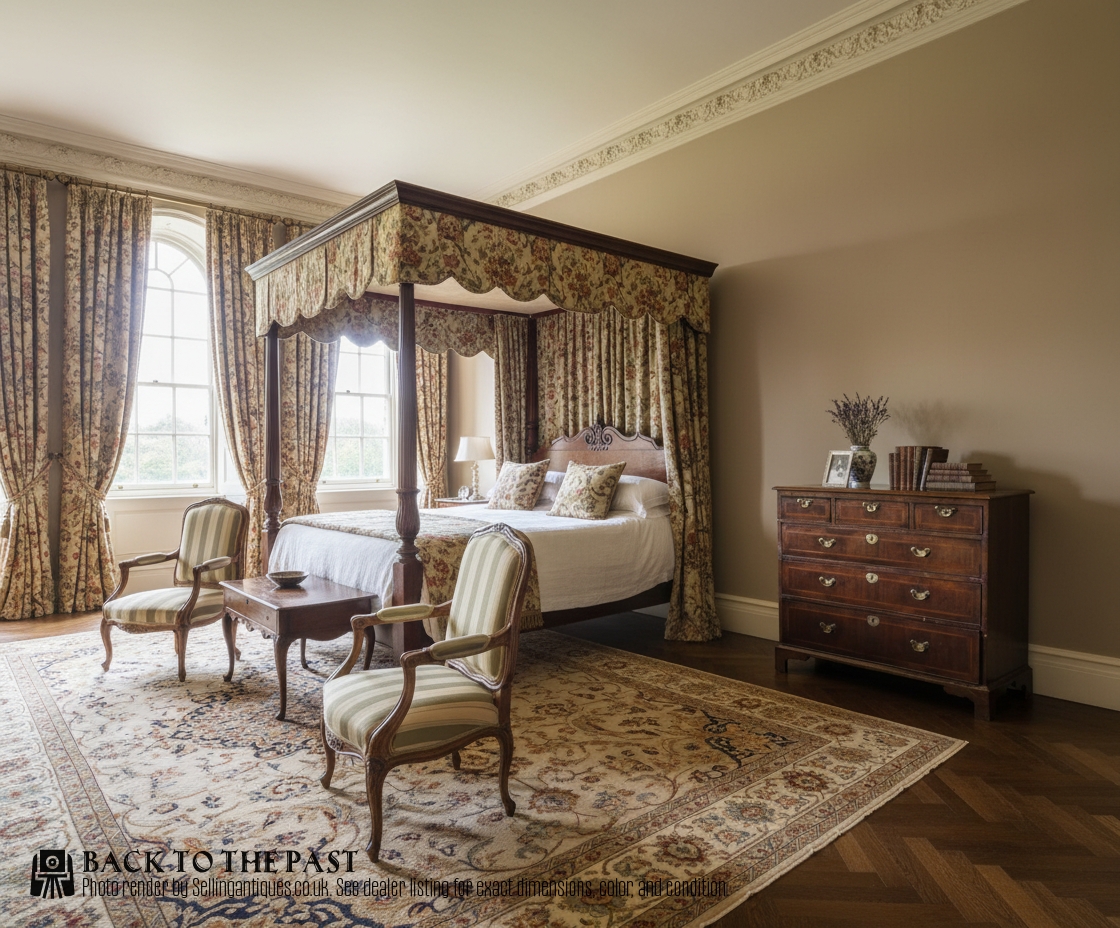
Inlaid Wooden Dresser
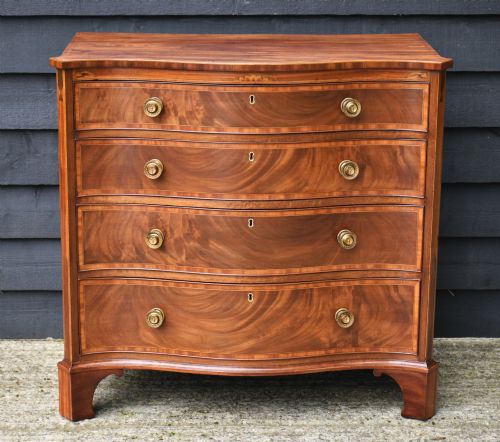
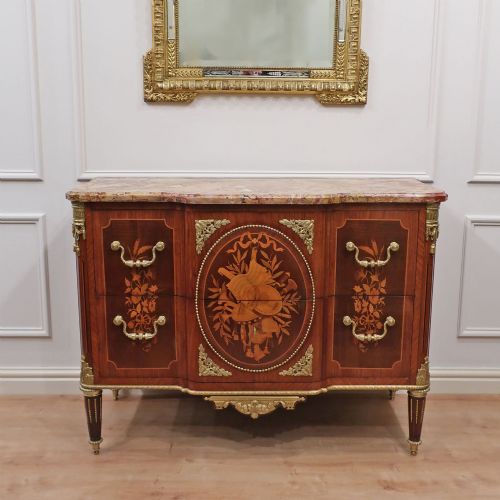
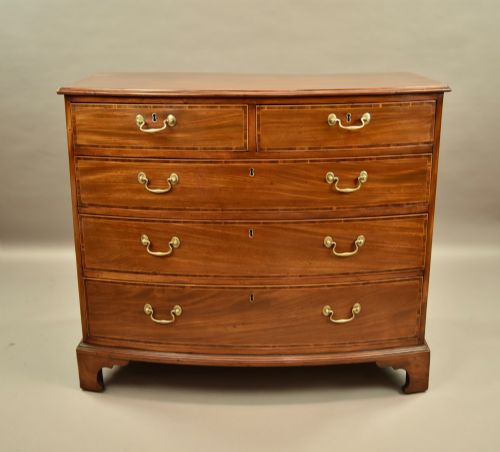
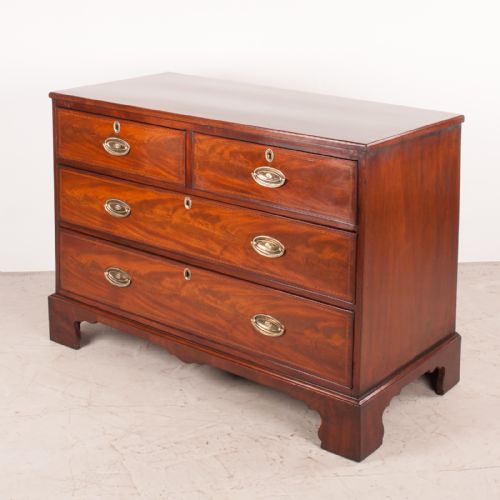
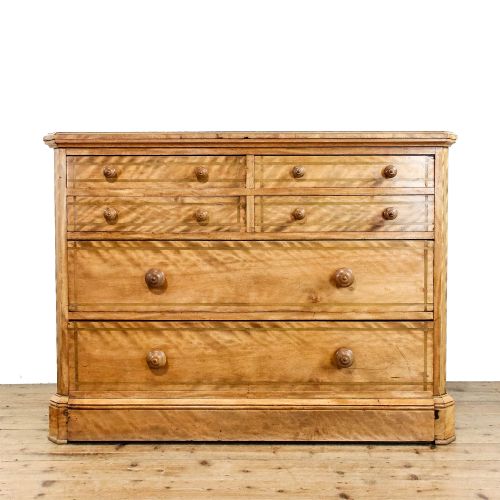
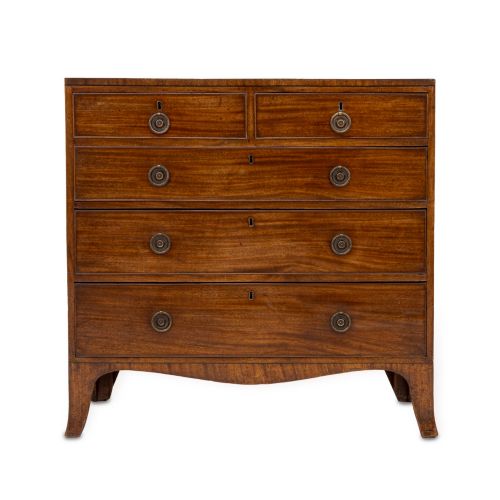
When you search for an inlaid wooden dresser, you encounter a variety of storage furniture including chests of drawers, sideboards, chiffoniers, and commodes spanning the Georgian, Regency, Victorian, and Edwardian periods.
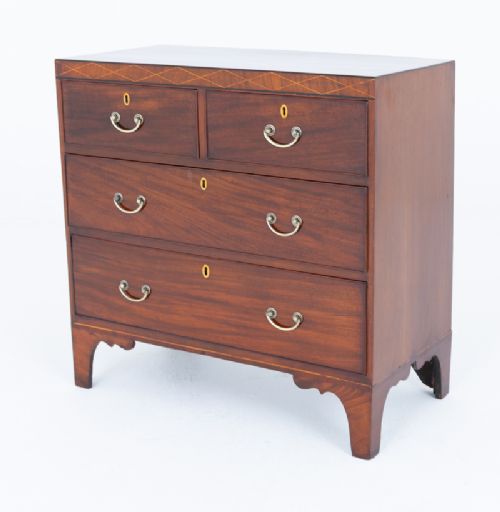
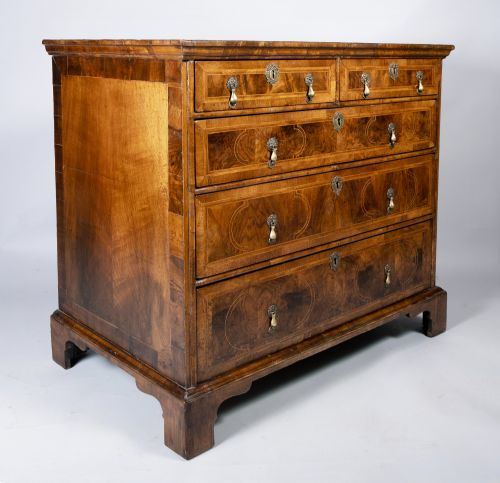
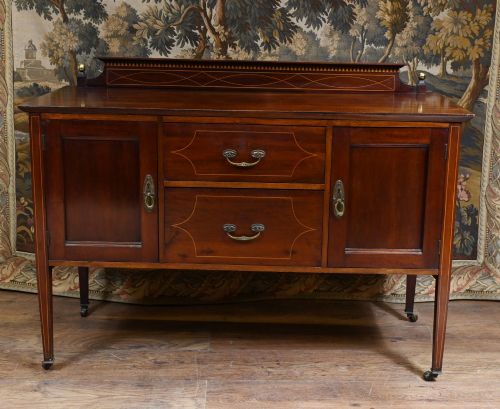
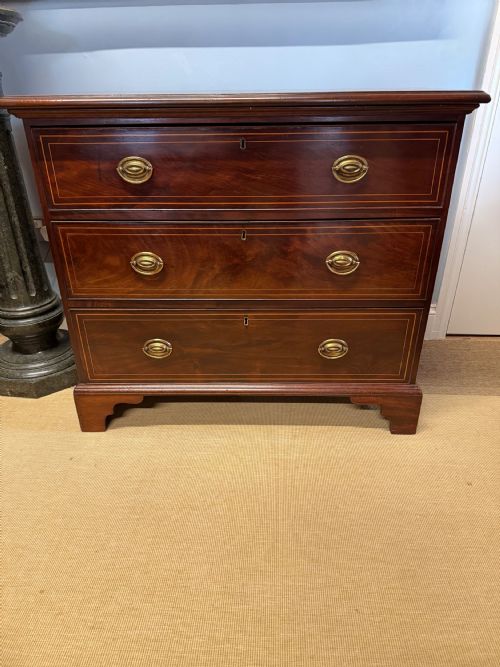
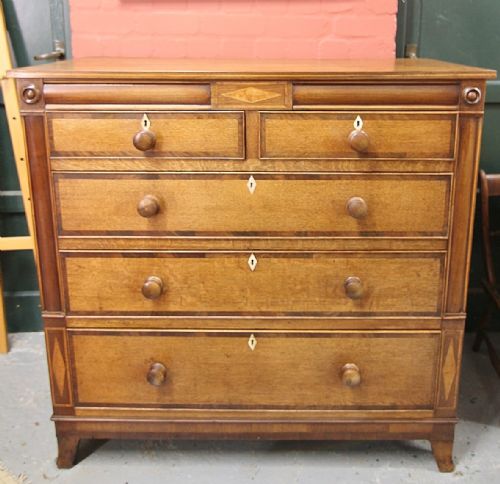
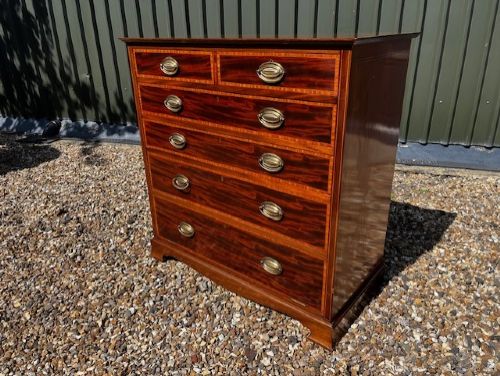
The pieces most frequently met on this page are mahogany, walnut, and oak chests of drawers and sideboards embellished with contrasting wood inlays such as satinwood and boxwood, originating from the eighteenth and nineteenth centuries.
Makers and cabinetmakers from these earlier eras constructed these items primarily for domestic utility in reception rooms and bedchambers, incorporating decorative line inlay, crossbanding, and marquetry to signal refinement.
How they were made
Cabinetmakers constructed the carcases and drawer frames of these pieces using primary timbers like mahogany, walnut, and oak, often pairing them with secondary softwoods for internal drawer linings.
Decorative surfaces relied on precise wood inlay techniques, where contrasting veneers of satinwood, boxwood, and other light woods were let into recessed channels to form geometric lines, scrolls, or floral motifs.
Listings feature eighteenth and nineteenth-century pieces incorporating mahogany, walnut, oak, satinwood, and boxwood.
What varies in quality
The standard of a piece depends on the selection of timber, visible in the depth of grain figure in the mahogany or walnut and the crispness of the contrasting boxwood or satinwood inlay.
Structural integrity and fine joinery separate standard examples from superior ones, marked by hand-cut dovetails on drawer boxes, well-fitted secondary timbers, and the original brass hardware remaining intact.
Mawer & Stephenson
The Inlaid Wooden Dresser Glossary
- Inlay
- A decorative technique where pieces of contrasting wood, brass, or other materials are inserted into prepared recesses flush with the surrounding surface. This method creates ornate geometric borders or pictorial scenes across drawer fronts and top boards.
- Crossbanding
- A border veneer applied around the edges of a drawer front or tabletop with the grain running perpendicular to the central panel. This treatment frames the primary timber and provides a neat visual perimeter.
- Marquetry
- An elaborate form of veneer inlay that creates pictorial designs using various tinted woods, shells, or metals. Unlike simple line work, it depicts flowers, urns, or architectural scenes.
- Serpentine front
- A furniture front characterised by a curved outline that swells outward in the centre and curves inward toward the ends. This shape requires considerable skill from the cabinetmaker to execute cleanly.
- Bow front
- A convexly curved front typical of many Georgian and Regency chests of drawers and sideboards. The gentle outward curve softens the boxy profile of the furniture.
Inlaid Wooden Dresser: Frequently Asked Questions
What is an inlaid wooden dresser?
An inlaid wooden dresser typically refers to a chest of drawers, sideboard, or commode constructed from hardwoods like mahogany, walnut, or oak and decorated with contrasting wood veneers. These pieces combine practical storage drawers with decorative craft traditions from past centuries.
Such items served domestic storage needs in dining rooms, halls, and bedrooms. Their surface decoration ranges from simple boxwood stringing to elaborate marquetry panels.
How do I date an inlaid wooden dresser?
Dating involves examining the secondary timbers inside the drawers, the style of the brass handles, and the construction methods used for the frame. Georgian pieces often feature hand-cut dovetails and distinct proportions, whereas Victorian and Edwardian examples show different timber selections and veneer thicknesses.
Reference points include the reigning periods and design styles associated with the piece, such as Regency or Sheraton Revival. Comparing the carcass construction with known regional techniques helps narrow down the decade of manufacture.
How should I care for antique wood furniture?
Maintain antique wooden furniture by keeping it away from direct sunlight and strong heat sources like radiators, which cause timber to dry out and split. Apply appropriate wax polishes sparingly to nourish the grain without building up heavy sticky layers.
Stable room humidity prevents the wood and its delicate inlays from contracting or expanding too rapidly. Gentle dusting with a soft cloth preserves the original polish and surface patina.
What is the difference between a chest and a sideboard?
A chest of drawers is primarily designed with stacked horizontal drawers intended for clothing and linen storage in private chambers. Its vertical format focuses on maximising storage capacity within a compact floor footprint.
In contrast, a sideboard or dresser base serves dining and reception areas, combining cupboards, shallow cutlery drawers, and a wider surface top for serving food or displaying items.