







Inlaid Wooden Display Table
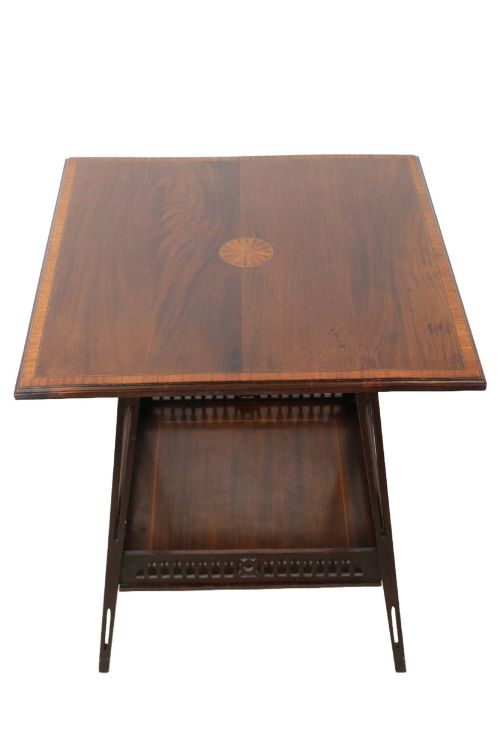
An inlaid wooden display table brings surface decoration and practical display space together, mostly arriving from the Edwardian and Victorian eras in mahogany, satinwood, and rosewood.
Inlaid Wooden Display Table
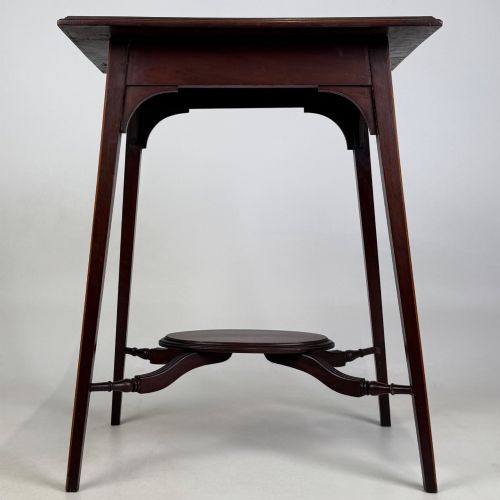
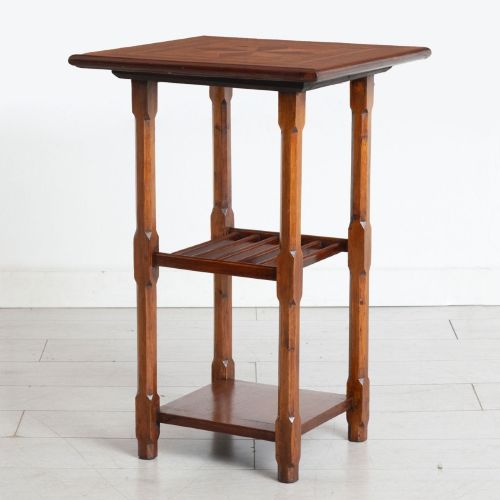
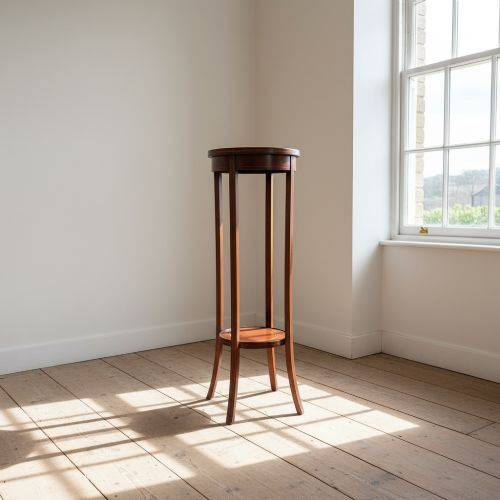
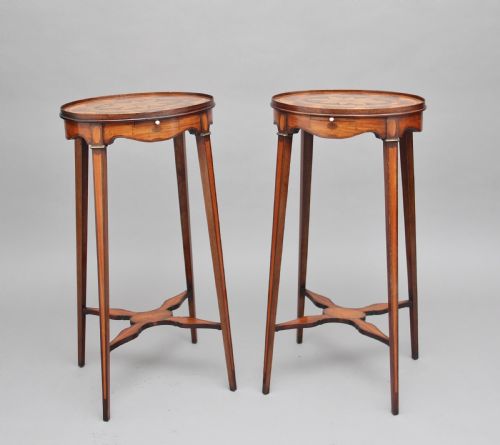
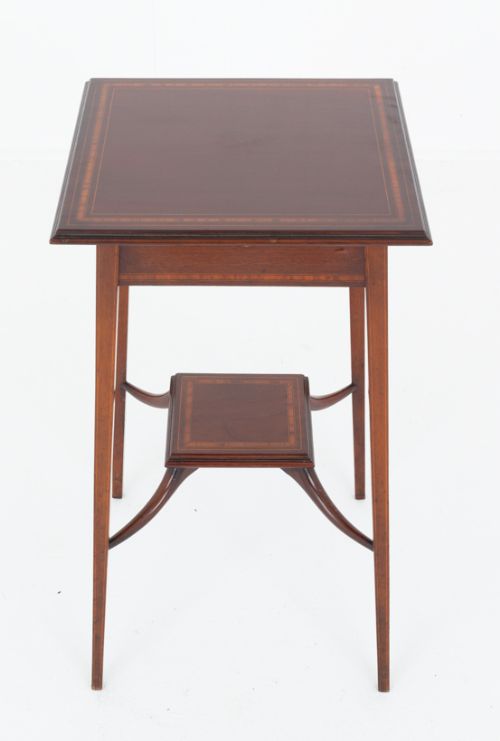
Buyers seeking an inlaid wooden display table encounter a diverse selection of occasional furniture originating predominantly from the Edwardian period and the nineteenth century. These items manifest in numerous functional forms designed for domestic display and service, including occasional tables, side tables, plant stands, urn stands, etageres, and tea trolleys.
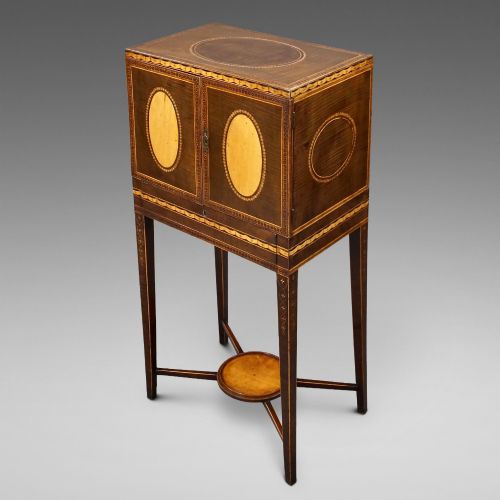
The assortment on this page leans heavily toward Edwardian mahogany pieces featuring contrasting stringing and floral motifs, alongside Victorian marquetry cabinets and French-inspired designs. Forms range from compact oval lamp tables and two-tier centre stands to tall plant pedestals and specialised collector cabinets with glass viewing areas.
Originating from British workshops and continental makers alike, these tables served specific roles in period drawing rooms and parlours for holding decorative objects, tea sets, or small collections. The variety spans simple square or octagonal occasional pieces up to elaborate satinwood pieces executed in the Sheraton Revival style.
Construction and decoration
Cabinetmakers built the structural carcases of these tables primarily using dense hardwoods such as mahogany, rosewood, and walnut, often applying finer timbers like satinwood and harewood for decorative veneering. Turned or tapering legs support these surfaces, occasionally linked by lower tiers or stretchers for added stability.
Decoration relied heavily on precision inlay work, utilising boxwood, ebony, and assorted dyed veneers to create floral scrolls, classical urn motifs, and geometric stringing lines. Marquetry panels featured pictorial compositions built from contrasting wood grains, while brass fittings and glass panels completed pieces intended for specialised display.
Among the tea trolleys and plant stands hides a Brazilian butterfly table from the early twentieth century, bringing unexpected insect wing panels into the display mix.
Distinctions in craftsmanship
Quality in these pieces rests upon the precision of the timber selection and the execution of the inlay work. Superior examples display tight, stable grain patterns in the primary mahogany or satinwood and crisp, flush fitting of boxwood stringing without visible gaps.
The refinement of the secondary details separates standard production from finer workshop output. Hand-cut marquetry panels, well-proportioned turned supports, and balanced timber matching across table tops distinguish the more accomplished pieces from simpler utilitarian items.
Trevor Page & Co
The Inlaid Wooden Display Table Glossary
- Marquetry
- Decorative veneer work forming pictorial patterns by assembling thin pieces of wood of various colours and grains. This technique appears frequently on table tops and cabinet doors.
- Stringing
- Thin, contrasting lines of wood inlay used to outline table edges, drawer fronts, and leg surfaces. It defines geometric boundaries on Edwardian and Sheraton Revival furniture.
- Etagere
- A set of open shelves or tiers used for displaying small ornaments and curiosities. Examples often take circular, oval, or multi-tiered forms.
- Occasional table
- A small, versatile table intended for light domestic use rather than a singular fixed purpose. These pieces form the majority of the current selection.
- Bijouterie table
- A glass-topped display table specifically designed for showing jewellery and small precious objects. They often feature hinged lids and velvet-lined interiors.
- Sheraton Revival
- A late nineteenth and early twentieth century design movement that reinterpreted the light, neoclassical furniture forms of the eighteenth century. It utilises satinwood, painted details, and delicate inlay.
Inlaid Wooden Display Table: Frequently Asked Questions
What rooms suit an inlaid wooden display table?
These tables adapt well to living rooms, hallways, and studies where surface space is required for lamps, books, or small decorative items. Compact occasional and lamp tables fit easily beside seating arrangements.
Tall plant stands and etageres function effectively in corners or empty alcoves to showcase ceramics and plants without occupying substantial floor area.
How do I distinguish Edwardian pieces from Victorian ones?
Victorian examples generally feature heavier proportions, darker rosewood or mahogany timbers, and dense marquetry or carved details. They often lean towards heavier aesthetic movements or revival styles.
Edwardian pieces tend to be lighter in build, frequently utilising satinwood or paler mahogany with delicate boxwood stringing and Sheraton Revival motifs. The overall construction reflects a shift towards airier domestic interiors.
How should I care for satinwood and mahogany surfaces?
Maintain these polished wood surfaces by dusting regularly with a soft, dry cloth and avoiding placement in direct sunlight or near active heat sources. Excessive temperature fluctuations can cause veneers to lift and timbers to dry out.
Apply a microcrystalline wax periodically to nourish the wood and protect the polish against minor moisture marks. Avoid silicone-based sprays, which build up and attract dust over time.
What is the difference between an occasional table and a centre table?
An occasional table is designed to be moved around a room as needed, serving functions such as a lamp stand, tea table, or small display surface. They often feature drop leaves or lighter structures.
A centre table is built to stand independently in the middle of a room rather than against a wall, finished carefully on all sides. These pieces are typically larger and sturdier, such as octagonal or round tables.