

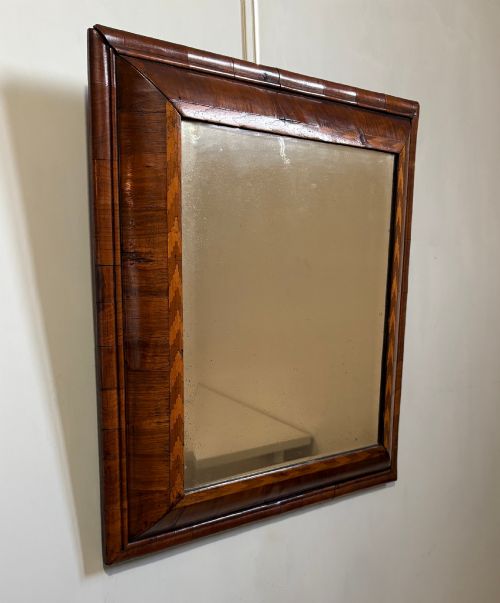
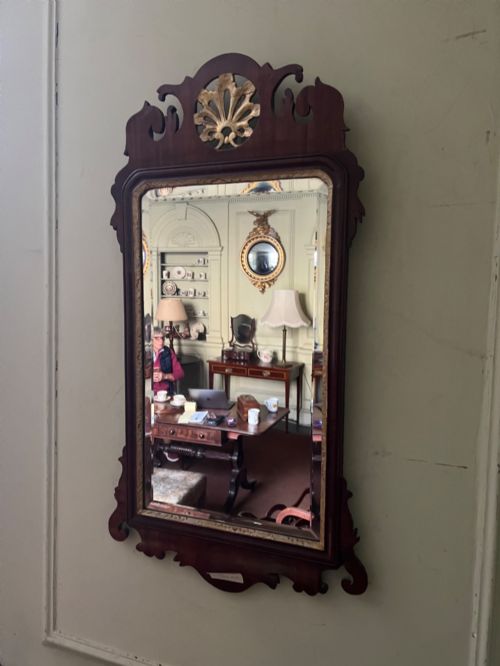
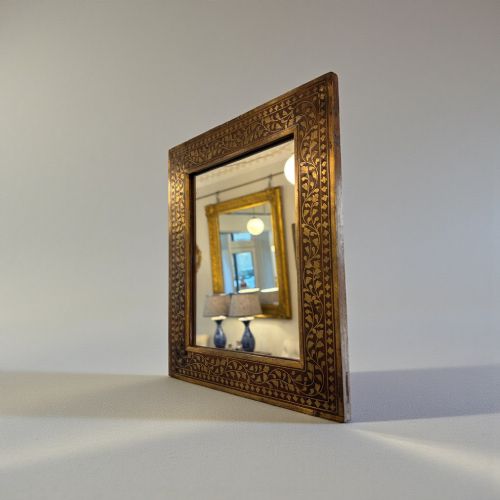
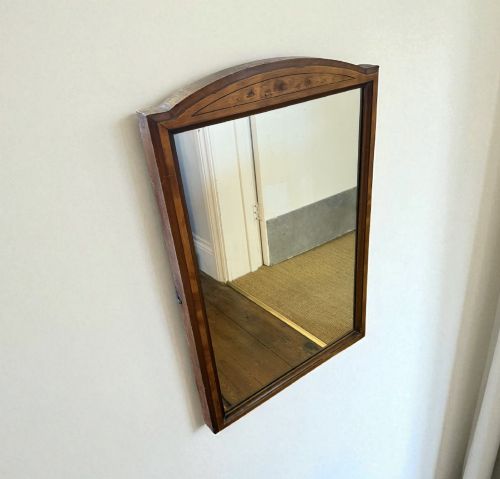
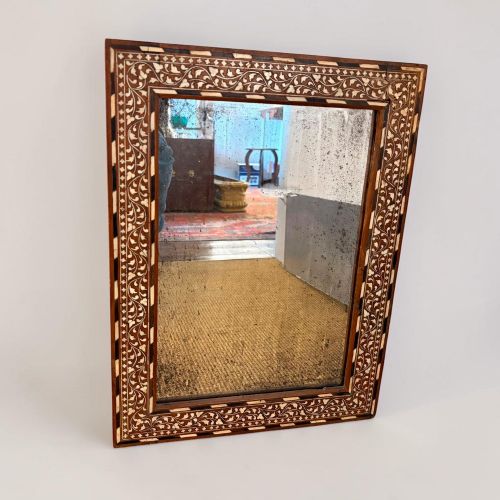
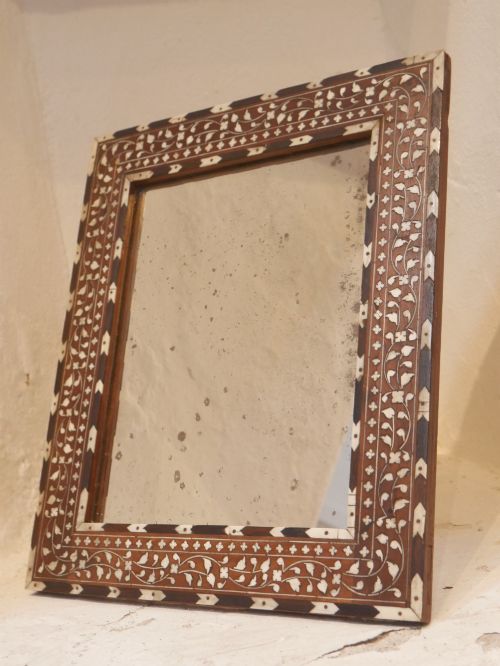
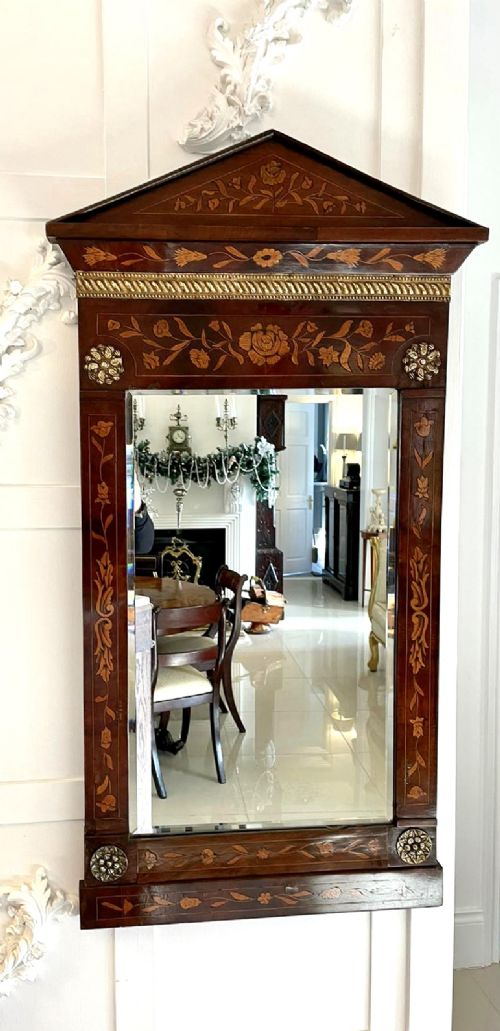
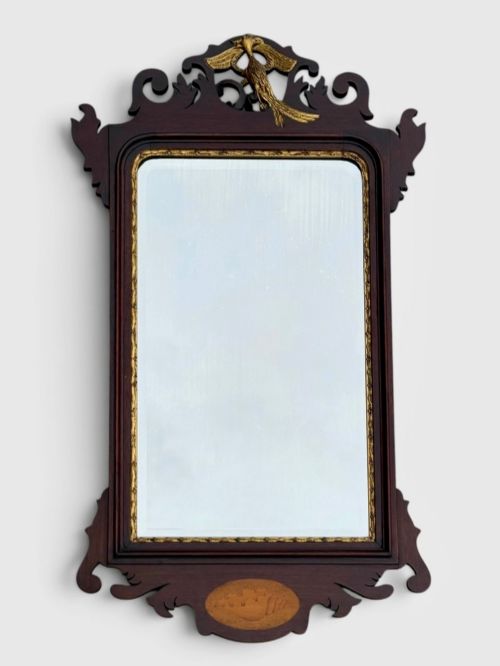


Inlaid Wood Mirror Frame
An inlaid wood mirror frame brings warmth and intricate pattern to a room, offering a decorative focal point with historical depth.
Inlaid Wood Mirror Frame
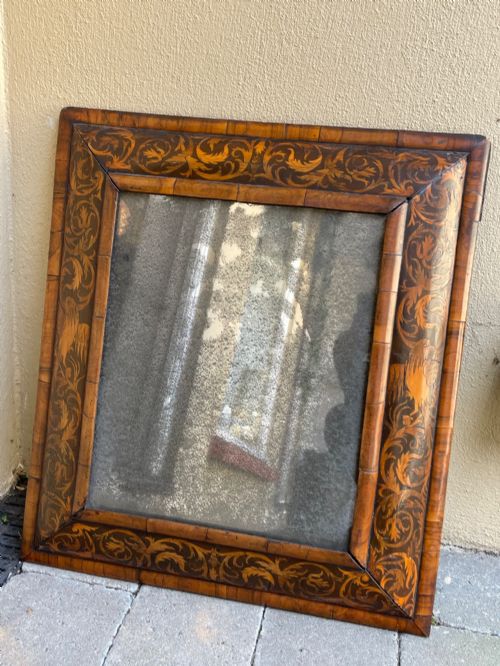
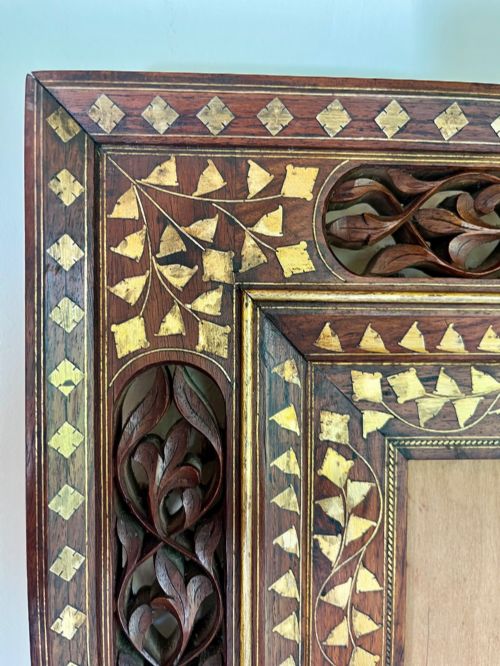
When you search for an inlaid wood mirror frame, you encounter a variety of wall and overmantel mirrors spanning different centuries and regions. The selection ranges from Victorian mahogany and rosewood frames to detailed Anglo-Indian and Hoshiarpur pieces.
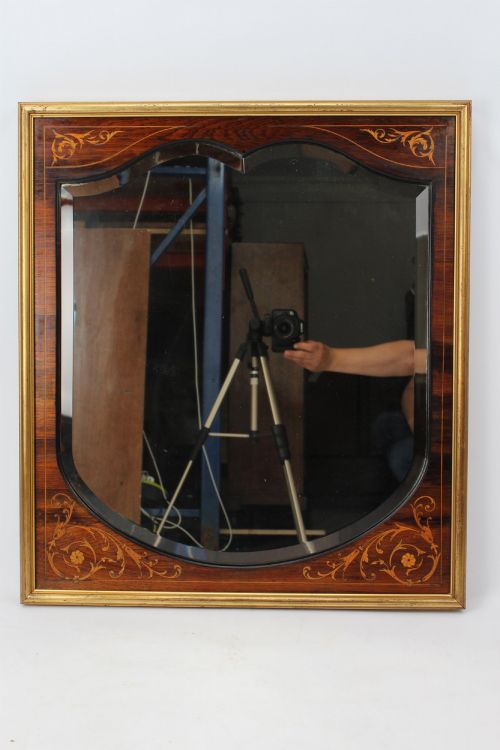
You are most likely to meet nineteenth-century examples on this page, alongside Edwardian rosewood designs and occasional earlier periods. These frames often feature geometric patterns, floral marquetry, or intricate turned woodwork.
The forms vary from large hanging wall mirrors to substantial overmantels designed to sit above a fireplace. Each piece demonstrates the regional woodworking traditions of its origin, whether European marquetry or Eastern inlay work.
How these frames were made
Cabinetmakers utilised dense timbers such as mahogany, walnut, and rosewood as the structural base for these frames. These woods provided a stable foundation for the detailed decorative work applied to the surface.
Artisans incorporated contrasting materials like brass, bone, ivory, and mother-of-pearl to create intricate patterns through marquetry and inlay techniques. Specialised workshops in regions such as Hoshiarpur and Damascus combined carved wooden panels with metallic or shell detailing.
Inlaid Wood Mirror Frame Retail Price Guide 2026
Typical asking prices for inlaid wood mirror frame among the pieces listed under this phrase on Sellingantiques today, from the lower quarter to the upper quarter. They describe what is for sale here now, not the wider market.
Some nineteenth-century makers incorporated secret compartments into their heavy mahogany frames, perfect for hiding your spare carriage keys.
What varies in quality
The precision of the joinery and the complexity of the inlay work distinguish finer examples from standard production. Artisans who executed crisper fretwork and more elaborate marquetry achieved a higher level of decorative harmony.
The choice of secondary woods and the condition of the surface finish dictate the overall calibre of the piece. Superior items retain intact internal elements and harmonious patination across the timber and inlaid sections.
A.J Rowley
The Inlaid Wood Mirror Frame Glossary
- Marquetry
- The art of applying pieces of veneer to a structure to form decorative patterns. This technique allows for elaborate pictorial or geometric designs across the frame surface.
- Overmantel
- A large mirror designed to be hung specifically above a fireplace mantelpiece. These pieces often anchor the surrounding interior architecture.
- Pier mirror
- A tall mirror traditionally hung on the pier or wall space between two windows. Their vertical proportions suit narrow architectural gaps.
- Nacre-shell inlay
- The use of iridescent pearl shell embedded into wooden surfaces to catch the light. This material appears frequently in Levantine and Damascus pieces.
- Fretwork
- Ornamental design created by cutting patterns through thin wood using a scroll saw or piercing tools. It adds a lighter, open silhouette to heavy timber frames.
Inlaid Wood Mirror Frame: Frequently Asked Questions
Where should I hang an overmantel mirror?
An overmantel mirror traditionally hangs directly above a fireplace mantelpiece to reflect light and anchor the room's main hearth area.
Ensure the width of the frame complements the shelf below it for a balanced visual proportion.
How do I care for inlaid wood?
Dust the frame regularly with a soft, dry cloth to prevent dirt accumulation within the delicate crevices of the inlay.
Avoid placing the mirror in direct sunlight or near heat sources to protect the wood and secure the embedded materials.
What is the difference between marquetry and inlay?
Marquetry involves covering the entire surface with a veneer puzzle of contrasting woods, whereas inlay inserts pieces into cavities carved into solid timber.
Both techniques create patterned surfaces but rely on distinct structural methods.