

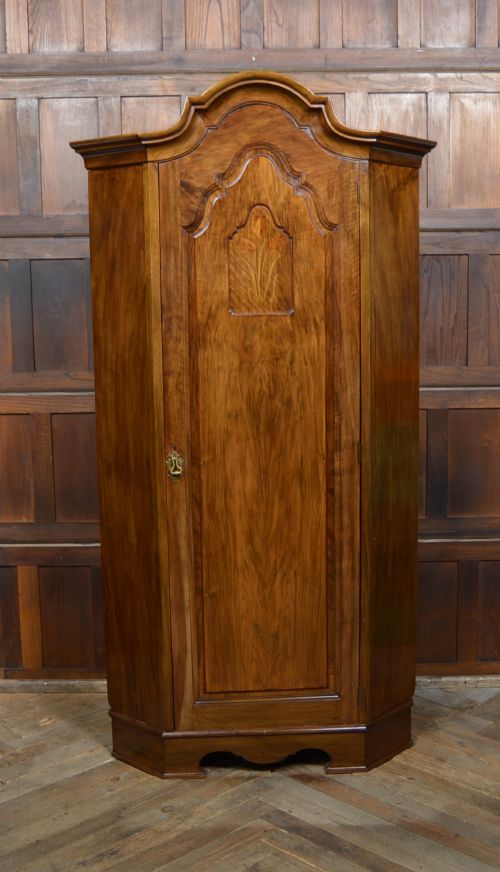
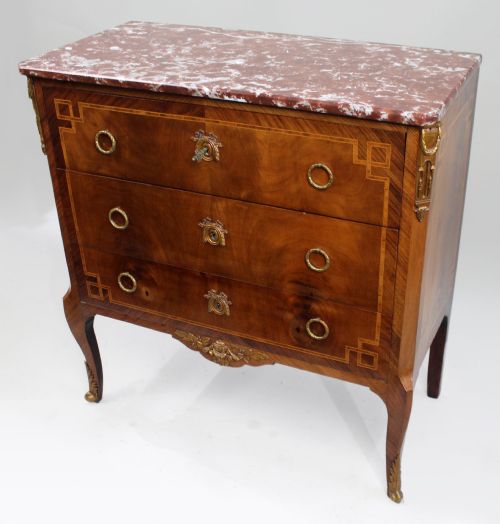
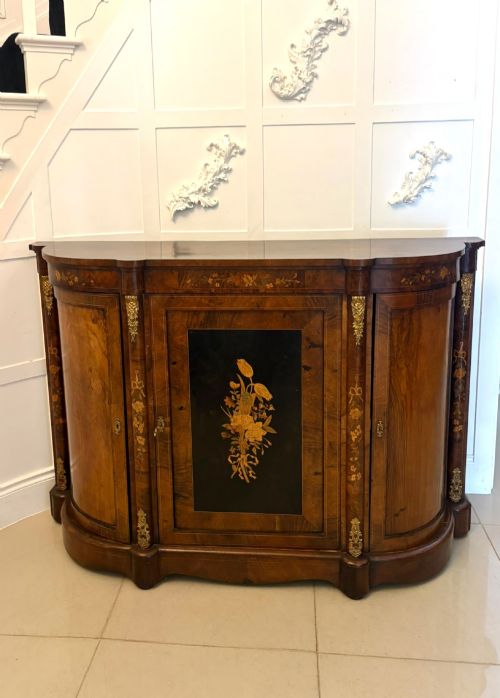
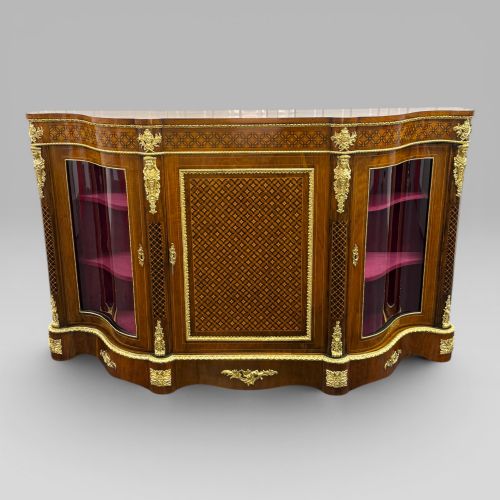
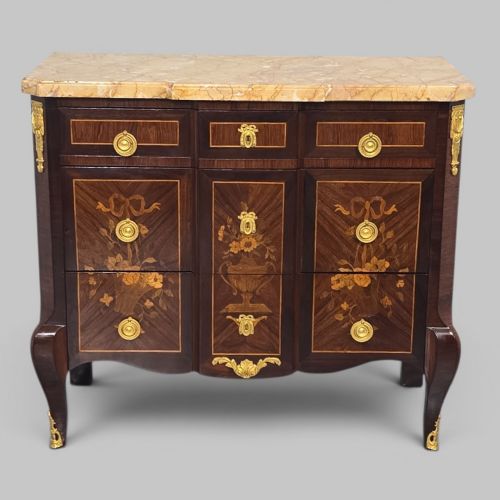
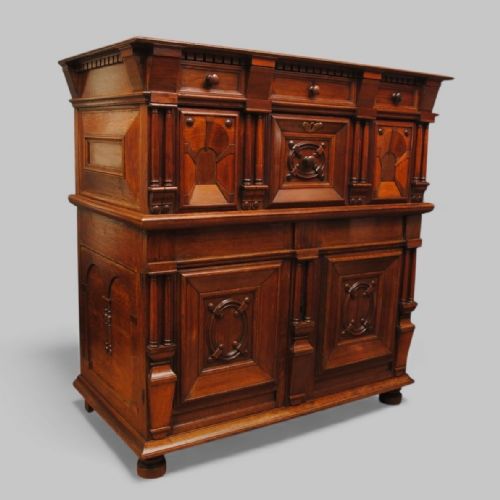

Inlaid Walnut Storage Cabinet
An inlaid walnut storage cabinet brings rich timber tones and precise floral details into a room, spanning periods from William and Mary to Edwardian designs.
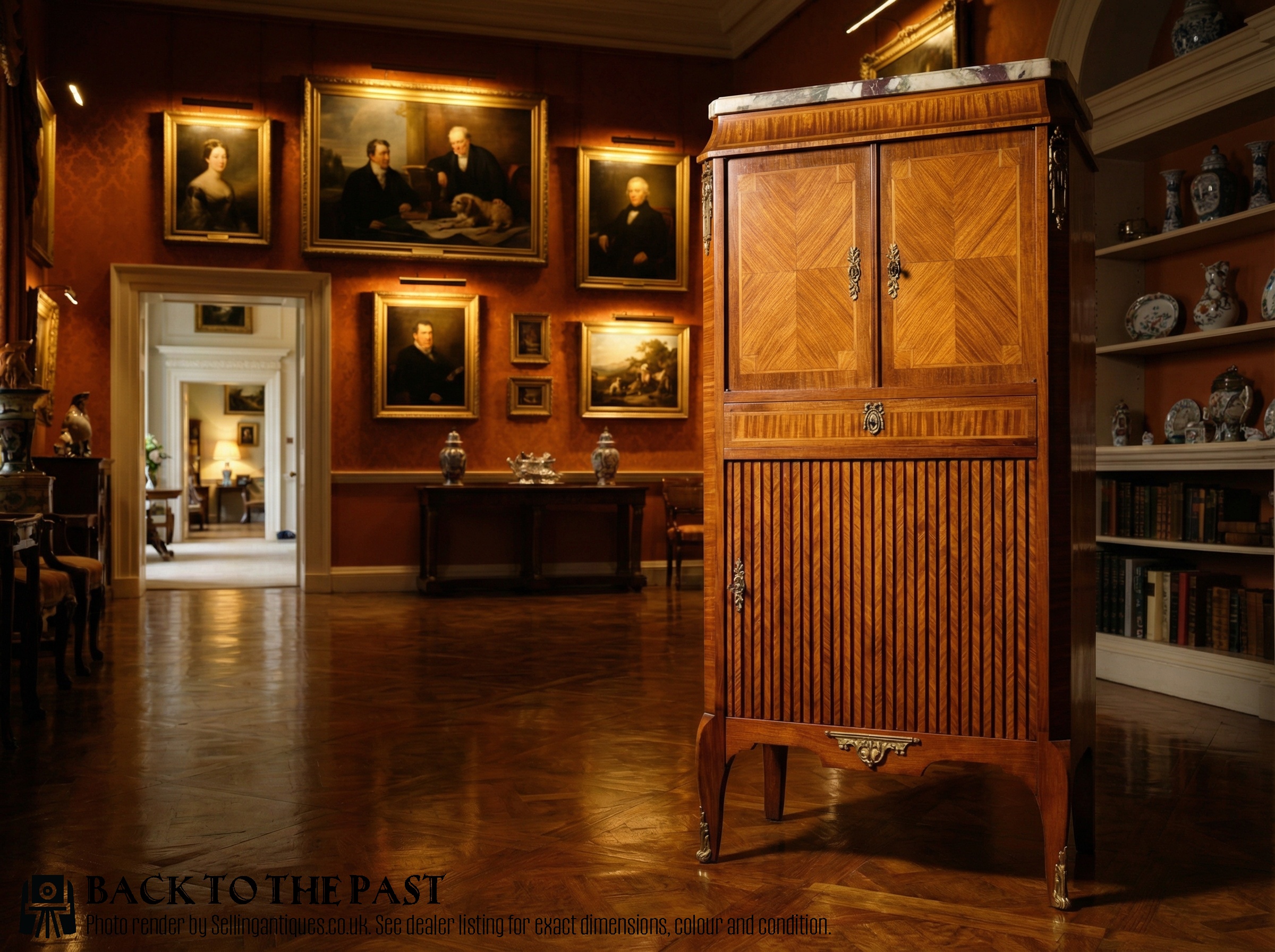
Inlaid Walnut Storage Cabinet
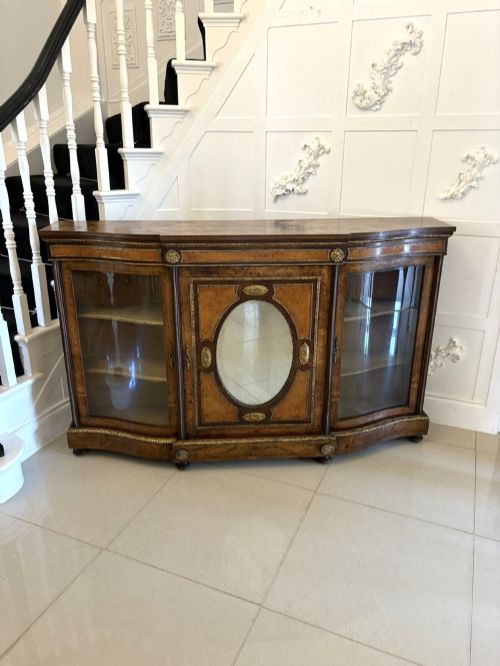
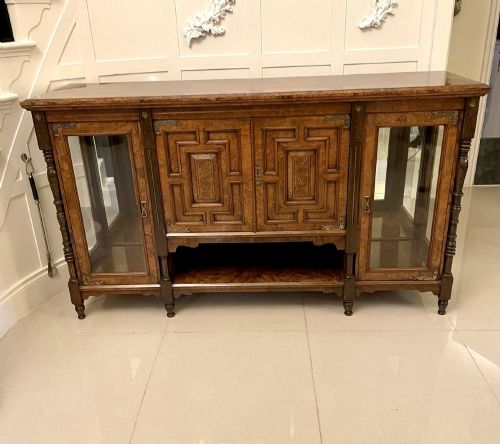
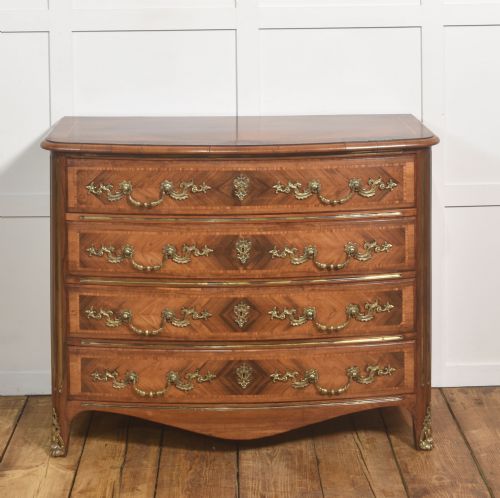
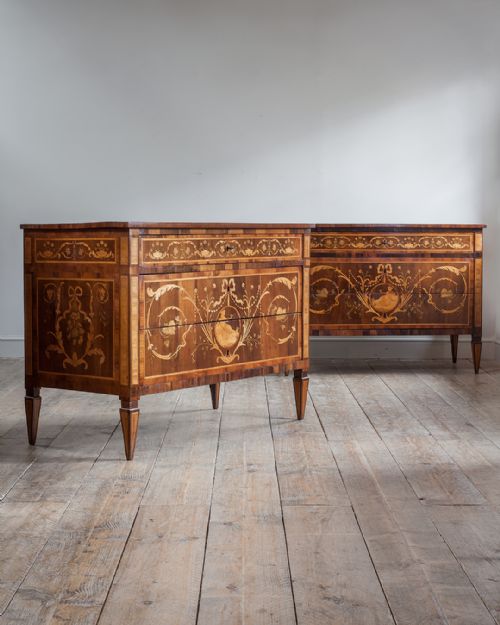
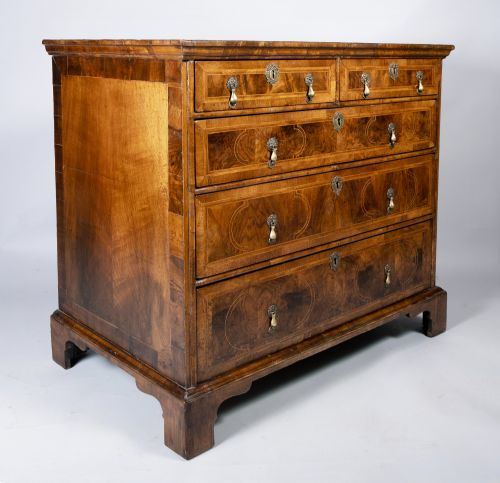
An inlaid walnut storage cabinet unites functional containment with decorative timber work across multiple centuries. Buyers encounter forms ranging from Victorian credenzas and side cabinets to 18th century Dutch chests of drawers and French Louis XVI style commodes.
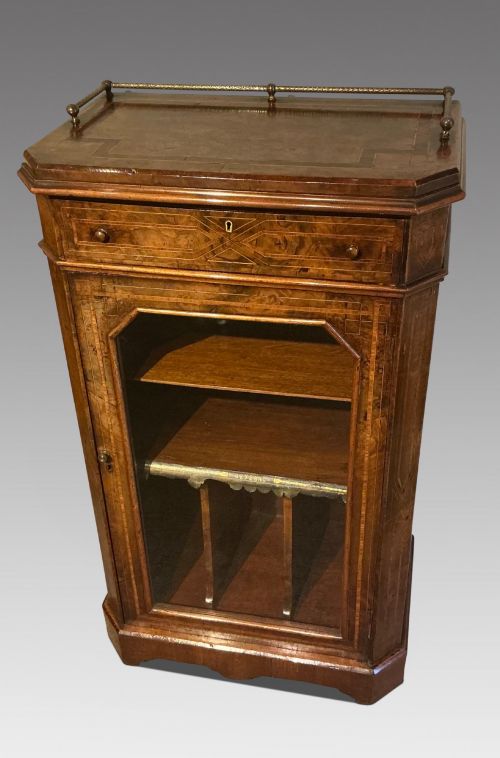
The selection includes specialised regional pieces such as Italian neoclassical commodes, English chest of drawers formats, and music or collectors cabinets. Walnut serves as the primary ground timber across these diverse forms.
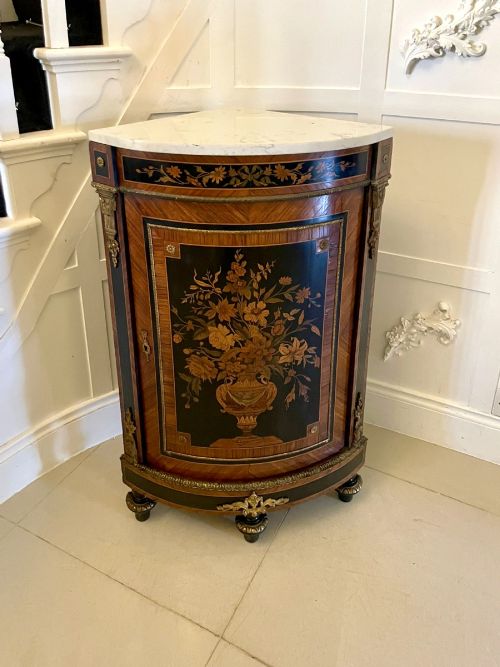
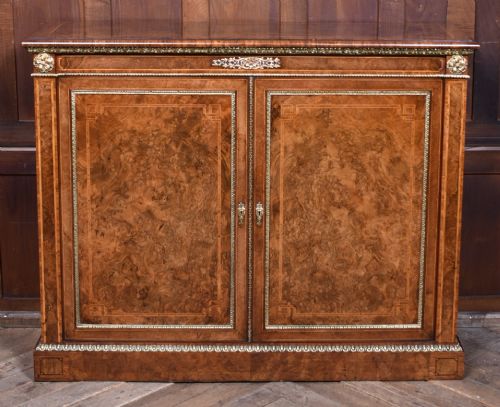
Victorian examples in burr walnut frequently appear alongside continental marquetry pieces featuring marble tops. These variations offer distinct silhouettes tailored to historical domestic interiors.
How they were made
Cabinet makers utilised walnut and burr walnut veneers applied over solid secondary timbers to create patterned exterior surfaces. Fruitwood, kingwood, and ebony were incorporated into floral marquetry panels and geometric banding.
Ormolu mounts and cast brass hardware provide structural emphasis and decorative contrast on French and Victorian pieces. Marble tops, including rouge and white varieties, complete the construction of commodes and side cabinets.
A travelling cabinet from the early 19th century proves that past owners insisted on moving their inlaid storage across borders in style.
What varies in quality
The standard of an inlaid walnut storage cabinet rests upon the crispness of the marquetry and the selection of the walnut veneer. Burr walnut with balanced, symmetrical figuring commands attention for its visual depth.
Execution of bronze or ormolu mounts and the integration of fitted marble slabs indicate the workshop tier. Finer examples maintain tight joinery in serpentine and demi-lune carcasses alongside fluid drawer operation.
Maison Gagneau·Whytock & Reid of Edinburgh·Gordovil Spain
The Inlaid Walnut Storage Cabinet Glossary
- Marquetry
- Decorative veneer work forming pictures or patterns by assembling small pieces of coloured wood, fruitwood, and other materials. This technique defines the surface ornamentation on many continental and Victorian cabinets.
- Burr walnut
- Timber obtained from walnut tree growths, yielding intricate swirling grain patterns. It is sliced into thin veneers for high-status cabinet facades.
- Ormolu
- Gilded bronze mounts applied to furniture edges and corners. French and Victorian makers utilised this material to accent serpentine and credenza forms.
- Credenza
- A sideboard or display cabinet originating in Italy and popular during the Victorian era. These low pieces often feature central cupboards flanked by curved glass doors.
- Demi-lune
- A half-moon shape applied to console tables and commodes. This curved footprint accommodates specialised inlaid timber patterns.
- Commode
- A low chest of drawers, often fitted with a marble top. French examples frequently showcase elaborate floral marquetry.
Inlaid Walnut Storage Cabinet: Frequently Asked Questions
Where were inlaid walnut storage cabinets placed?
These pieces sat primarily in formal reception rooms, dining parlours, and drawing rooms to display prized objects and store household linens or documents.
Lower credenzas and sideboards anchored walls beneath artwork, while tallboys and chests of drawers functioned within private chambers.
How do I distinguish 18th century from Victorian pieces?
Eighteenth century examples, particularly Dutch and Italian pieces, rely heavily on dense floral marquetry and distinct carcass proportions. William and Mary or Queen Anne chests exhibit specific stretcher bases and herringbone banding.
Victorian interpretations incorporate heavier ormolu mounts, burr walnut veneers, and architectural credenza formats that reflect industrial era revival styles.
Are marble tops original to these cabinets?
Many continental commodes and side cabinets were manufactured with fitted marble slabs, particularly French Louis XVI and neoclassical styles. Rouge and white marble varieties served both decorative and functional purposes as durable surfaces.
Matching the marble edge profile to the wood carcass rebate helps determine original integration.
How should I care for walnut veneer?
Walnut requires stable indoor humidity away from direct sunlight and heat sources to prevent veneer lifting or timber splitting. Gentle dusting with a dry cloth preserves the polished surface.
Avoid silicone-based polishes and excessive moisture, which can penetrate historic finishes and degrade older adhesives.