

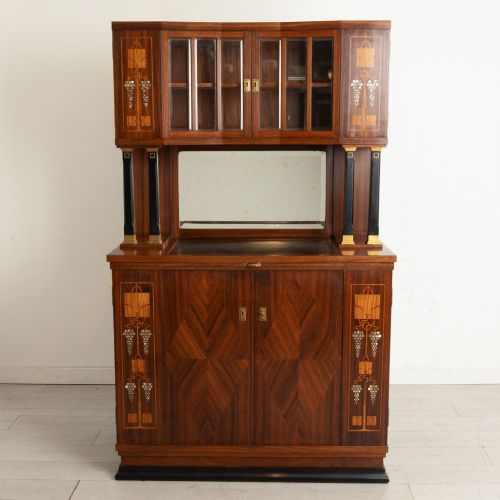
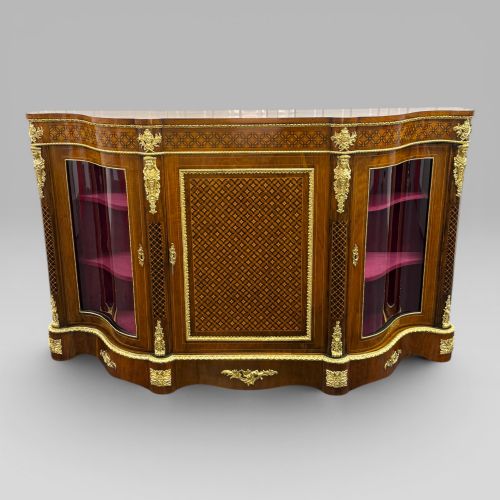
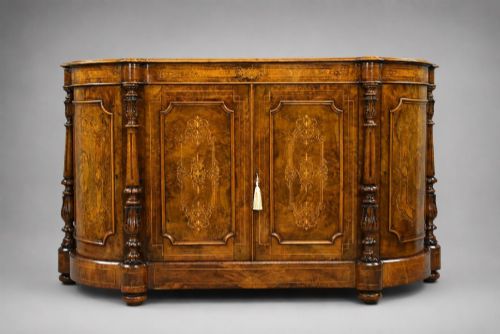
Inlaid Walnut Sideboard
When choosing an inlaid walnut sideboard, you select a refined nineteenth-century cabinet that combines figured timber with intricate boxwood details and gilt mounts for formal reception rooms.
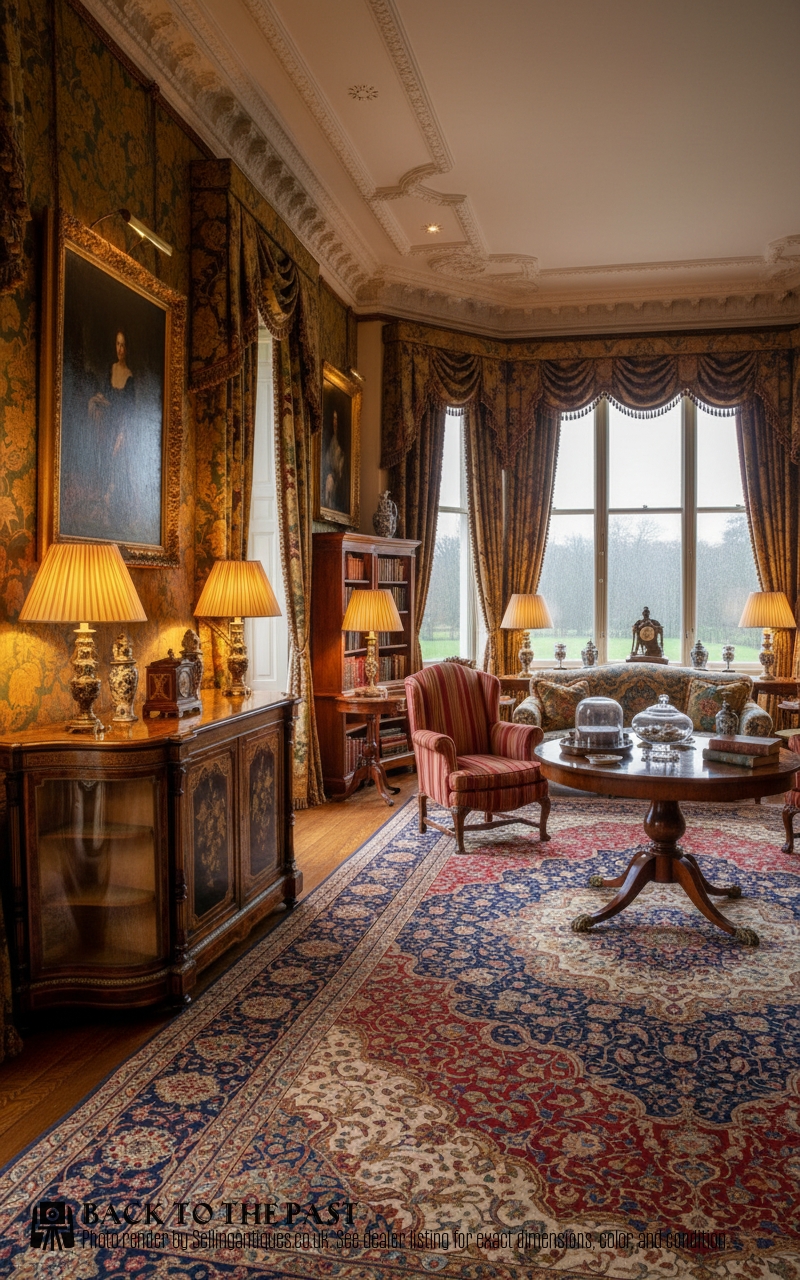
Inlaid Walnut Sideboard
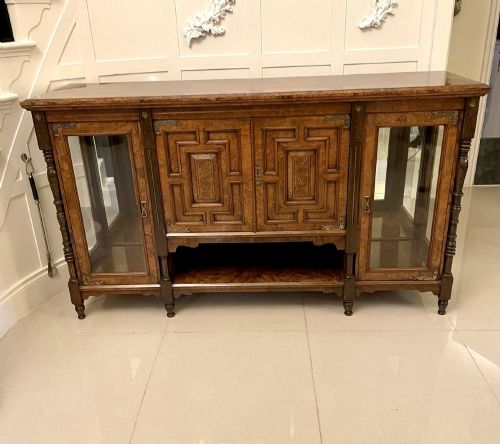
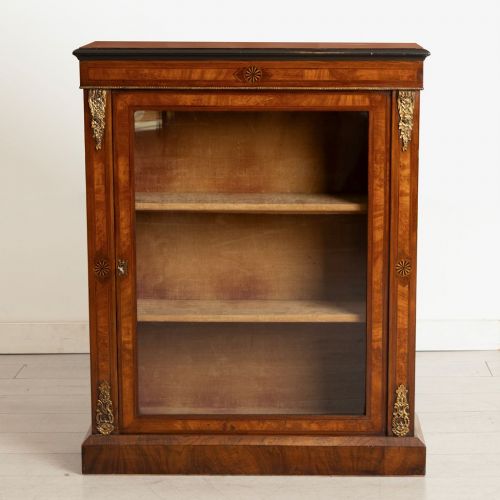
An inlaid walnut sideboard encompasses low credenzas, pier cabinets, and display furniture primarily originating from the Victorian era and the nineteenth century. These pieces serve as principal display surfaces and storage units in reception spaces.
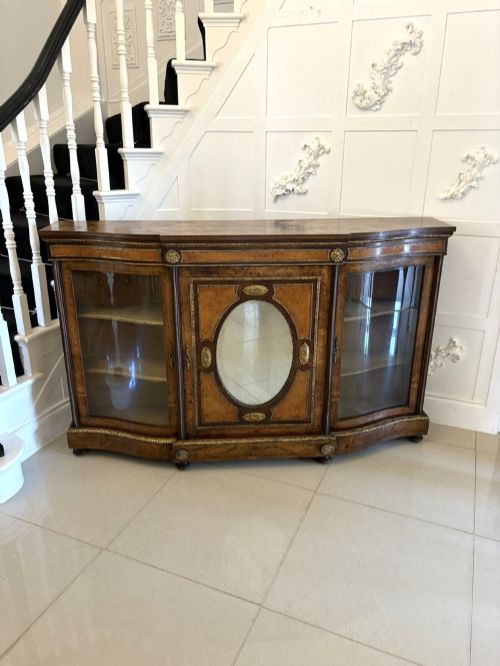
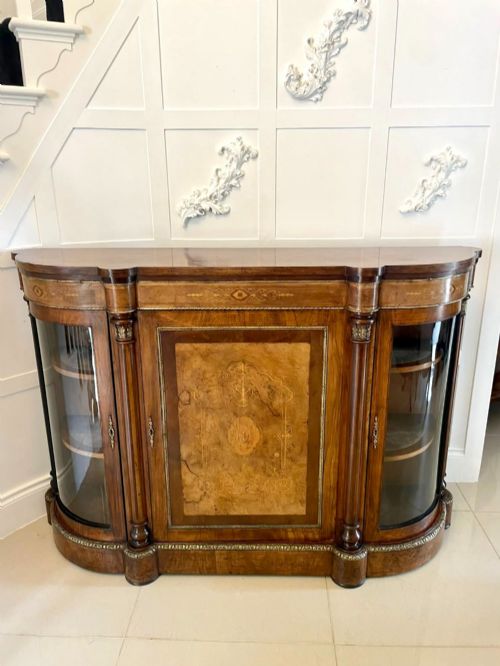
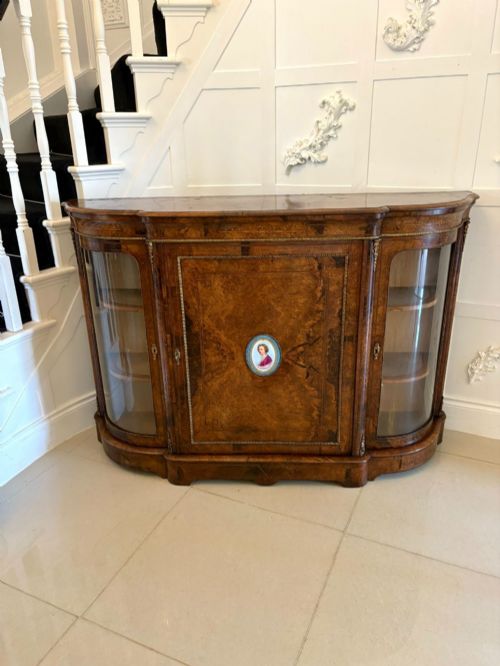
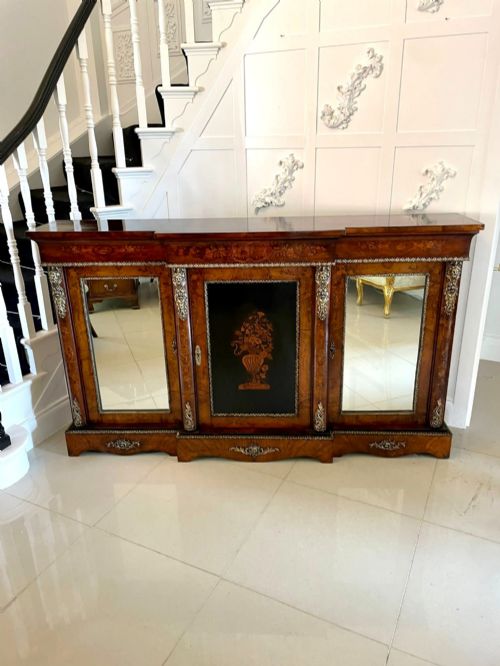
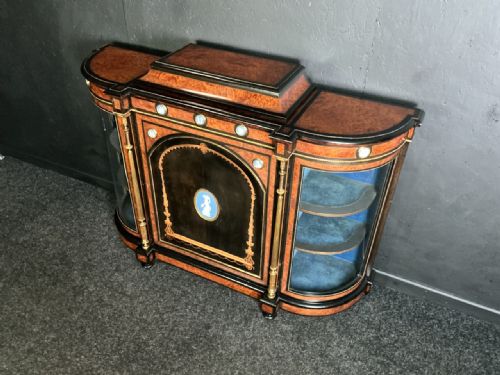
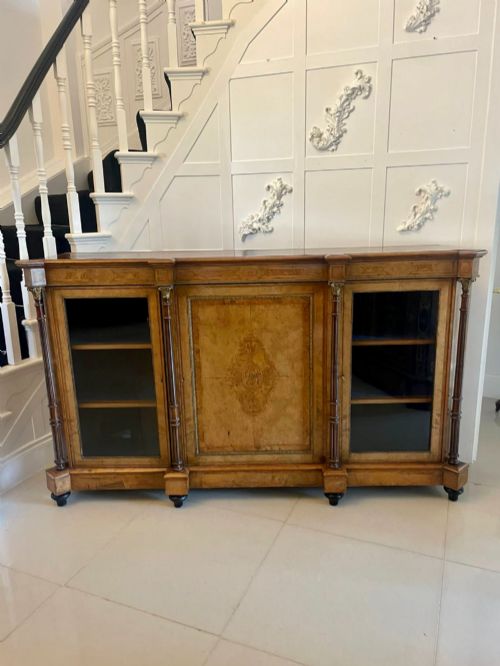
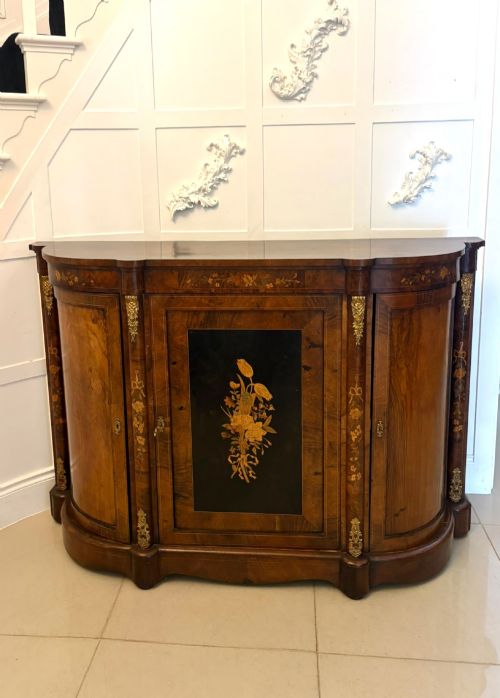
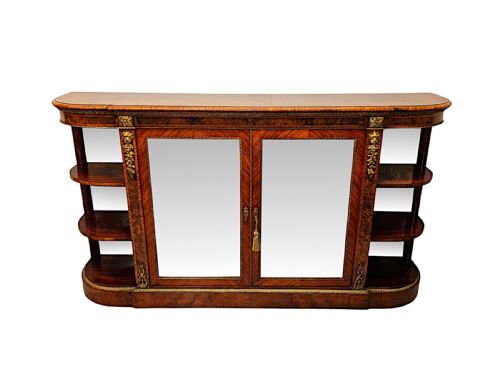
The most common version met on this page is the Victorian burr walnut credenza, frequently featuring glazed central doors flanked by curved side cabinets. Makers often mounted these items with ormolu and enriched them with floral marquetry.
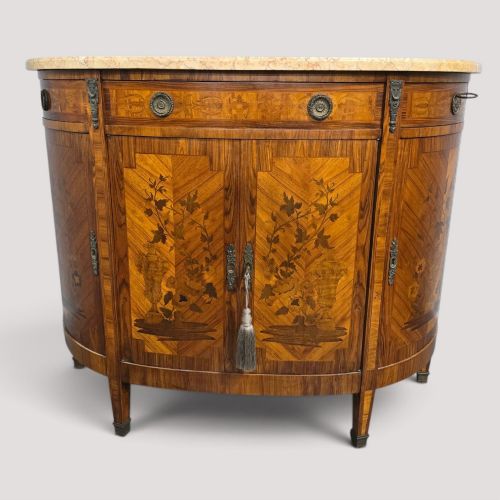
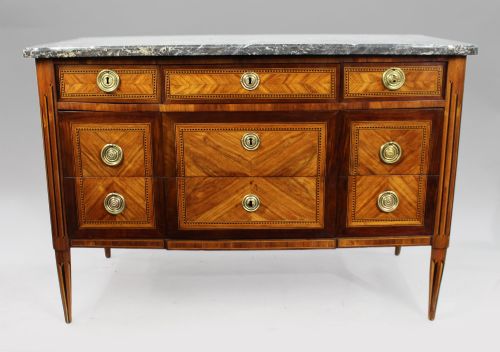
Alongside English Victorian cabinetwork, the selection includes French Louis XVI and Louis XV style commodes, Austrian display cabinets, and eighteenth-century examples. Forms range from serpentine credenzas to marble-topped chests of drawers.
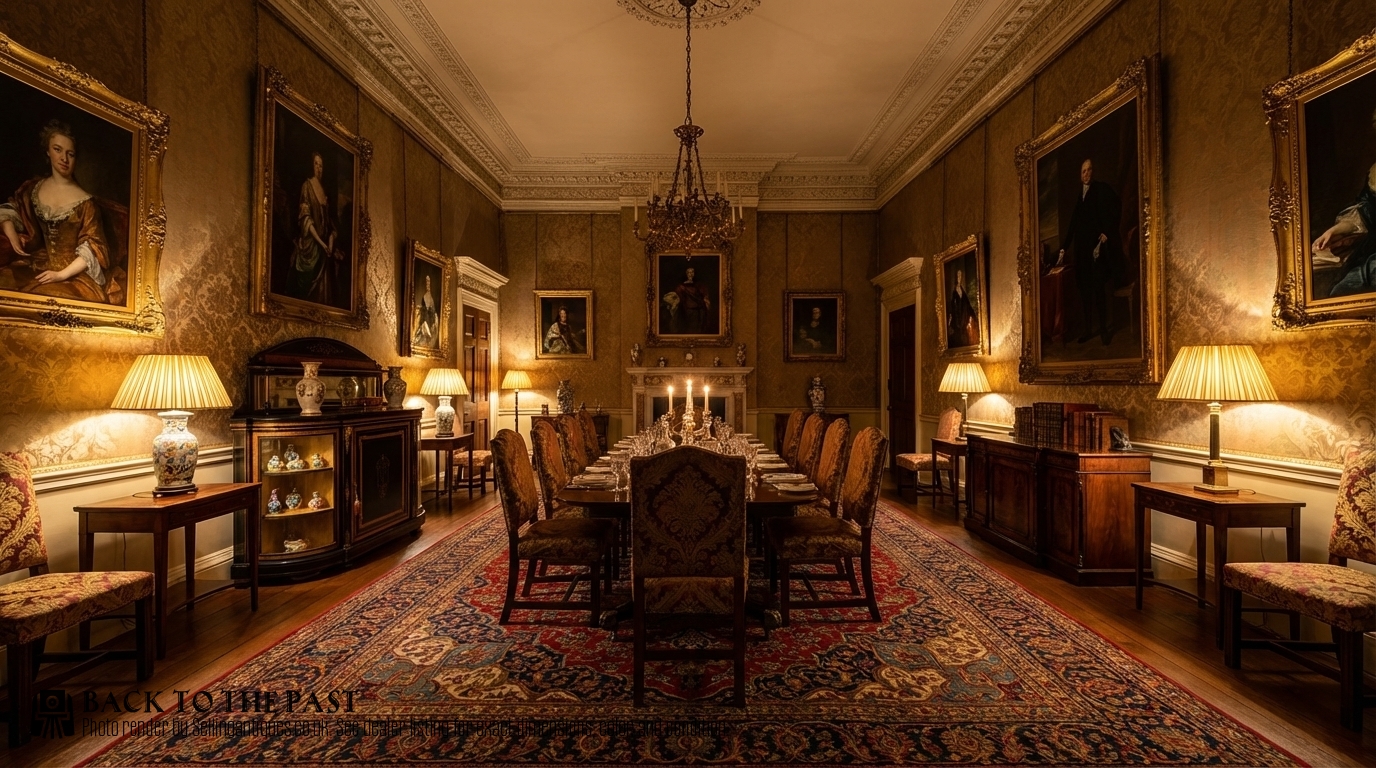
How they were made
Cabinetmakers constructed these pieces using solid walnut and pine carcases overlaid with highly figured burr walnut veneers. The distinct swirling grain patterns come from the root wood or burls of the walnut tree.
Workshops utilised boxwood and various contrasting timbers for delicate floral marquetry and parquetry inlays. Craftsmen then applied cast ormolu mounts, brass details, and glass panels to complete the facade.
Inlaid Walnut Sideboard Retail Price Guide 2026
Typical asking prices for inlaid walnut sideboard among the pieces listed under this phrase on Sellingantiques today, from the lower quarter to the upper quarter. They describe what is for sale here now, not the wider market.
One stubborn nineteenth-century workshop kept misplacing its brass stringing supplies, yet still managed to build magnificent serpentine monuments.
What varies in quality
The choice and matching of the burr walnut veneer dictate the visual impact of the piece. Superior examples display symmetrical, richly figured grain across the entire front without distortion.
The precision and complexity of the marquetry and the casting quality of the ormolu mounts distinguish standard production from exhibition pieces. Finer cabinets feature crisper floral inlays and heavier, well-chased gilt bronze hardware.
Gillows·August Ungethüm·Maison Gagneau·Edwards and Roberts
The Inlaid Walnut Sideboard Glossary
- Credenza
- A low dining or reception room cabinet with doors, often featuring glass panels and curved side compartments. This form evolved significantly during the Victorian period.
- Burr Walnut
- Timber taken from walnut tree burls, yielding intricate, swirling grain patterns highly valued for decorative veneer work. Cabinetmakers prized it for formal furniture surfaces.
- Marquetry
- The art of applying pieces of veneer to a structure to form decorative patterns and floral pictures. Artisans used contrasting woods such as boxwood and ebony for this technique.
- Ormolu
- Gilt-bronze mounts applied to furniture edges, feet, and corners for ornamental effect. Makers cast and chased these metal elements to accent the walnut timber.
- Parquetry
- Geometric wood inlay work forming repeating patterns such as cubes or stripes. This technique appears frequently on French commodes and cabinets.
Inlaid Walnut Sideboard: Frequently Asked Questions
What is an inlaid walnut sideboard used for?
These cabinets function as decorative storage and display units within formal living spaces and dining rooms. Historically, owners placed porcelain, silver, and glassware behind the glass doors.
Today, they serve a similar purpose in domestic interiors, offering surface area for lamps and objects alongside enclosed shelf storage.
Are French and English sideboards different?
French pieces on this page often take the form of marble-topped commodes or cabinets utilising Louis XVI and Louis XV styles. They emphasise parquetry and marquetry patterns alongside shaped stone tops.
English Victorian versions lean towards credenza forms with extensive burr walnut veneers, brass stringing, and gilded bronze mounts.
How should I care for walnut veneer?
Walnut furniture requires stable room humidity away from direct sunlight and heat sources to prevent veneer lifting. Regular dusting with a dry, soft cloth maintains the polished surface without moisture damage.
Avoid commercial silicone polishes and treat the wood periodically with appropriate natural wax suited for antique finishes.