


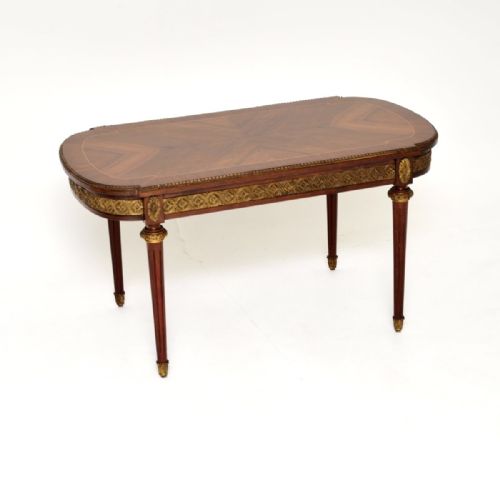


Inlaid Walnut Low Table
An inlaid walnut low table brings rich grain and intricate woodwork directly to a sitting room, offering a low surface with distinct character.
Inlaid Walnut Low Table
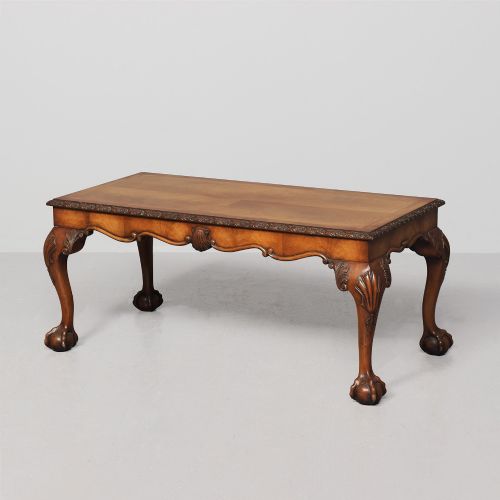
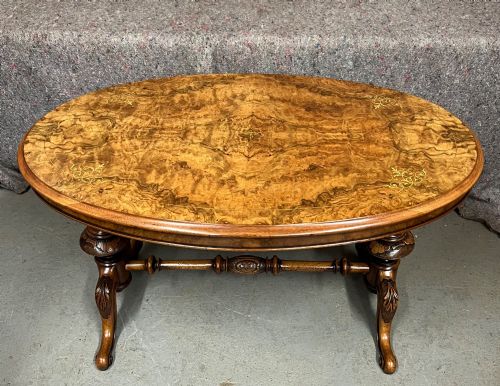
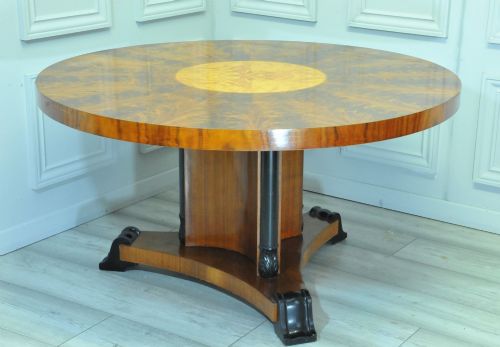
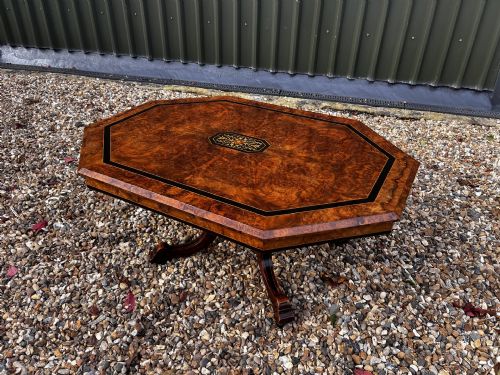
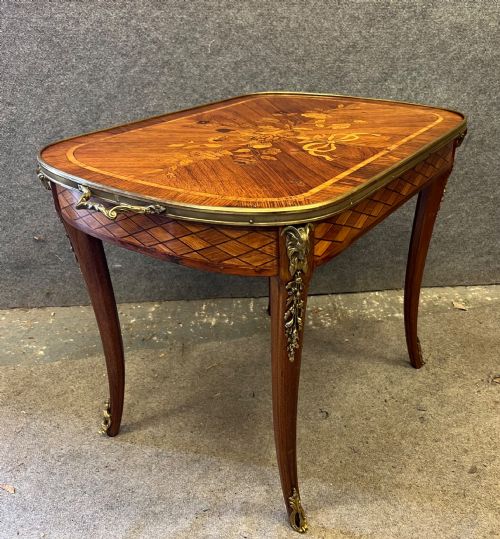
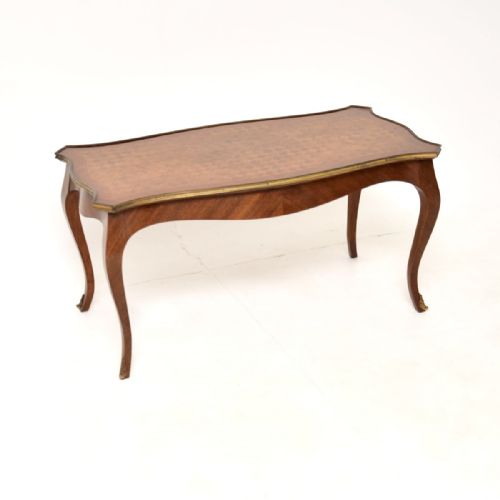
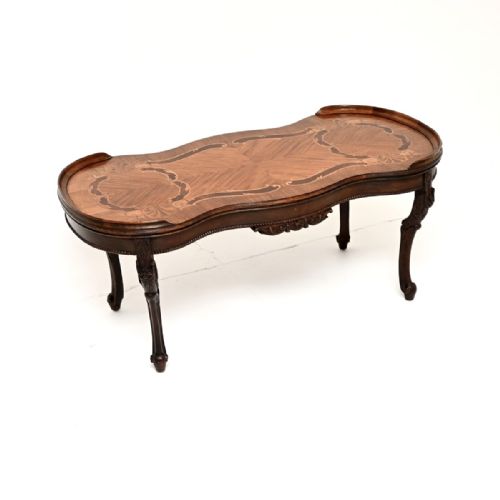
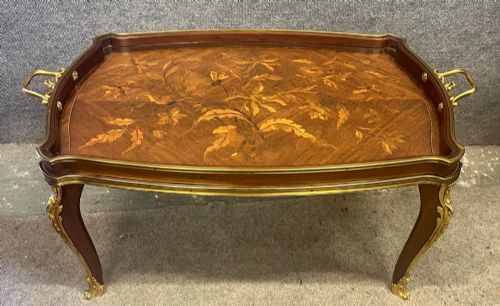
An inlaid walnut low table is a low-set surface finished with decorative wood patterns, frequently appearing as coffee tables, centre tables, or occasional tables across this selection. Buyers find pieces ranging from the Victorian period through to the 1930s, reflecting both English and French design influences.
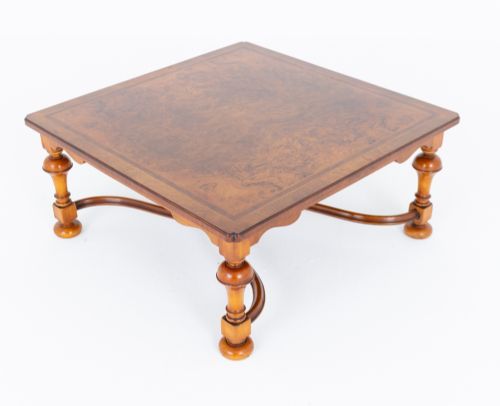
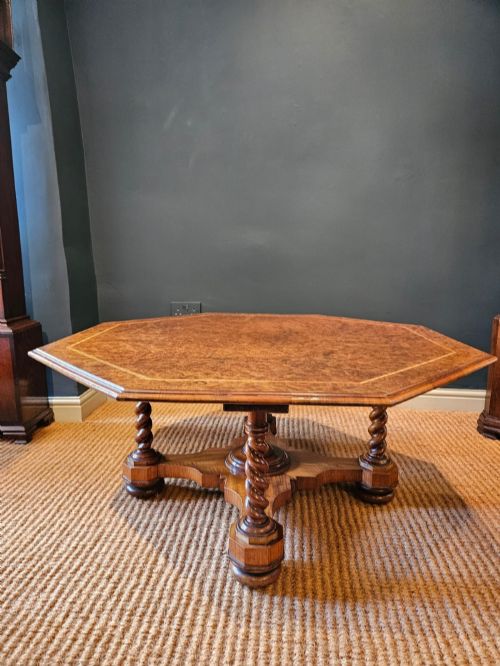
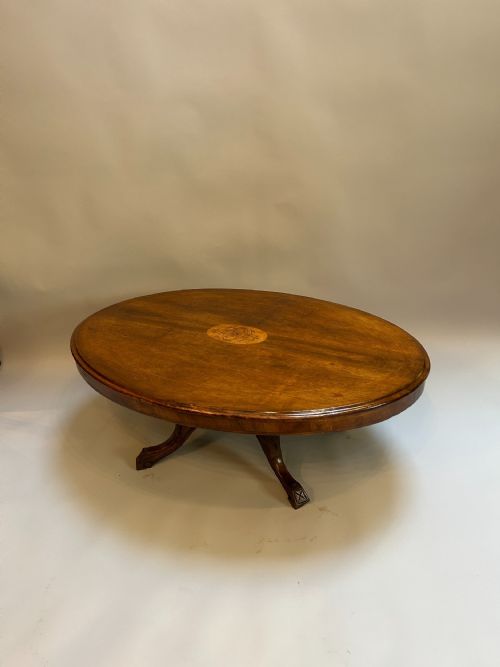
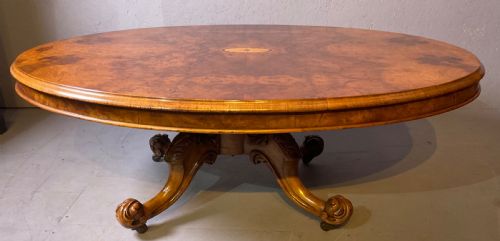
The most common examples on this page are Victorian pieces featuring burr walnut and marquetry, alongside French tables from the early twentieth century. Formats stretch from traditional rectangular shapes to octagonal, oval, and round tops, occasionally incorporating tray tops or games surfaces.
Origins span British workshops and continental European centres, particularly Italy and France, bringing diverse aesthetic traditions to a single room. Queen Anne, Carolean, and Louis XV styles appear frequently, adapting historical forms to lower proportions suited to modern seating.
Materials and construction
Walnut and burr walnut form the primary structural and surface timbers, prized for their deep colour and swirling grain patterns. Cabinet makers utilised boxwood, fruitwood, and kingwood for contrasting inlay work.
Surface decoration relies on meticulous marquetry and parquetry, setting small geometric or pictorial wood veneers into the main top. Ormolu mounts and brass details occasionally accent the corners and edges of French styles, while hand-carved bases support the heavier Victorian tops.
Inlaid Walnut Low Table Retail Price Guide 2026
Typical asking prices for inlaid walnut low table among the pieces listed under this phrase on Sellingantiques today, from the lower quarter to the upper quarter. They describe what is for sale here now, not the wider market.
Listings span from the Victorian era through the 1930s, uniting British craftsmanship with French Louis XV and Art Deco design styles.
Factors of quality
The refinement of the inlay work marks the difference between standard production and superior pieces. Crisp lines in the boxwood and fruitwood against the dark walnut ground show the hand of a skilled cabinet maker.
Selection of the timber itself dictates visual impact, with tightly figured burr walnut commanding attention through complex natural patterning. Solid construction of the hand-carved bases and tight joints ensure the piece holds firm over generations of daily use.
The Inlaid Walnut Low Table Glossary
- Marquetry
- Decorative wood veneers arranged in pictorial scenes or floral motifs. This technique uses contrasting woods like boxwood and fruitwood set into a walnut background.
- Parquetry
- Geometric patterns formed from small pieces of veneer. Squares, triangles, and diamonds create repeating architectural designs across the tabletop.
- Burr walnut
- Wood taken from a tree growth where the grain has grown in a deformed, swirling manner. It produces richly figured patterns highly sought after for fine furniture.
- Ormolu
- Gilded bronze mounts applied to furniture for decorative effect. This finish appears frequently on French tables from the nineteenth and early twentieth centuries.
Inlaid Walnut Low Table: Frequently Asked Questions
What is an inlaid walnut low table?
These pieces are low-set furniture surfaces constructed from walnut timber and decorated with contrasting wood veneers. They serve primarily as coffee tables or occasional tables in living spaces.
Craftsmen utilised techniques like marquetry and parquetry to ornament the tops with geometric or floral patterns. The forms range from Victorian English designs to French styles dating up to the 1930s.
How do I date a walnut low table?
Dating relies on observing the combination of timber, construction methods, and stylistic cues present in the piece. Victorian examples often display heavier hand-carved bases and rich burr walnut, while 1930s pieces lean towards cleaner lines.
Parquetry and marquetry styles shift across decades, with French Louis XV revivals and Art Deco influences marking specific periods of production. Examining the underside and the type of secondary woods provides further clues to the age.
Where were these tables made?
The pieces originate from British workshops as well as continental European centres, notably France and Italy. Sorrento in Italy is particularly known for specialised inlaid specimen tops.
Different regions favored distinct decorative vocabularies, such as English Victorian carving versus French parquetry and ormolu mounts. These geographic origins dictate the specific stylistic revival a table embodies.
How do I care for walnut furniture?
Maintaining walnut surfaces involves keeping them away from direct sunlight and extreme temperature shifts to protect the delicate veneers. Regular dusting with a soft cloth preserves the polished finish without building up residue.
Avoid placing damp items directly onto the wood to prevent marking the antique polish and inlay. Occasional application of appropriate wax helps nourish the timber and maintain its natural depth of colour.