
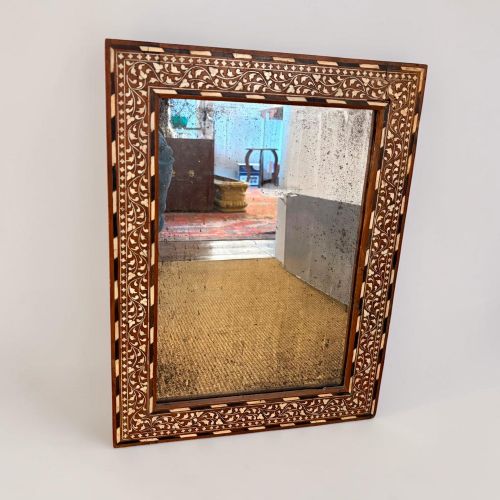
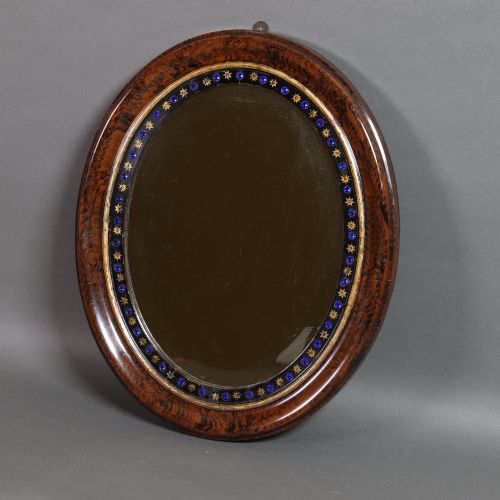
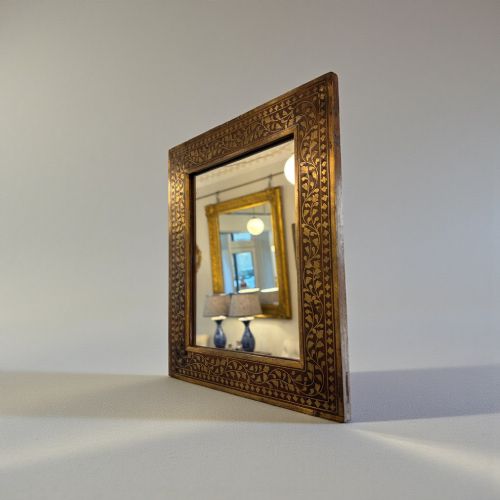
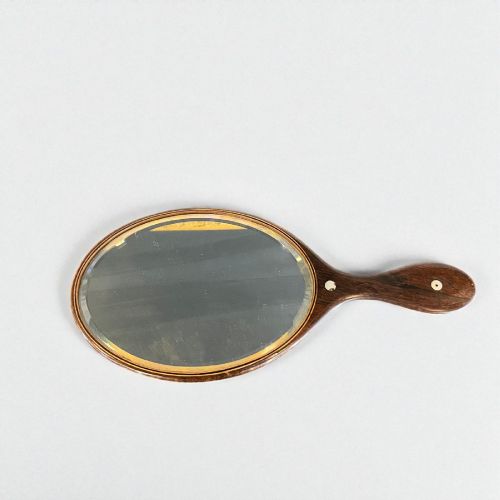
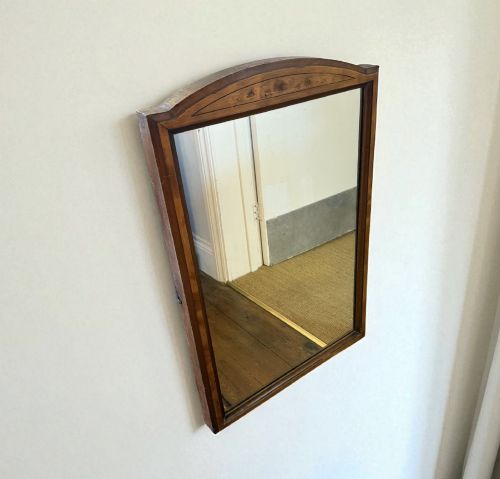

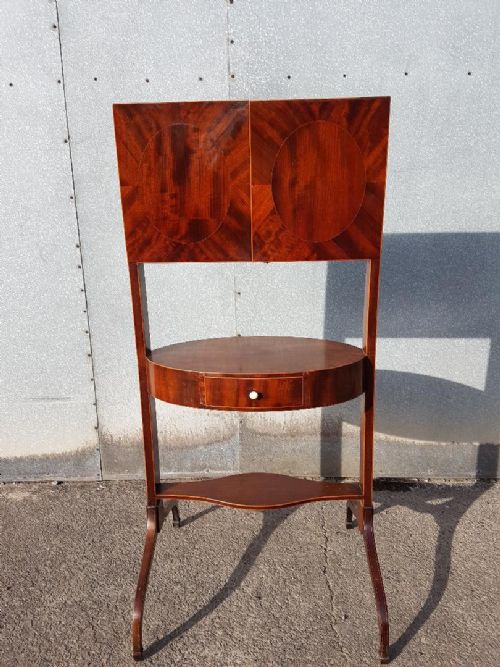
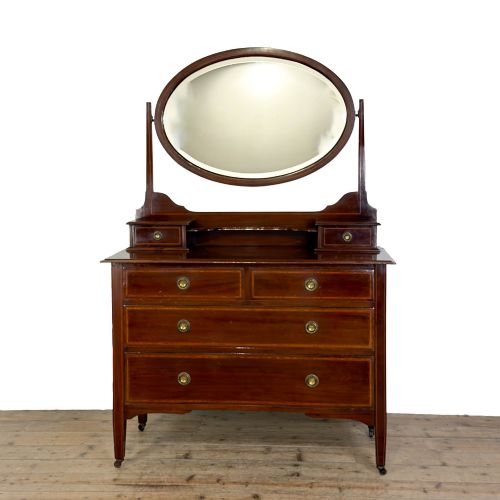

Inlaid Vanity Mirror
An inlaid vanity mirror brings together practical glass and decorative cabinetwork, offering a polished focal point for any dressing space.
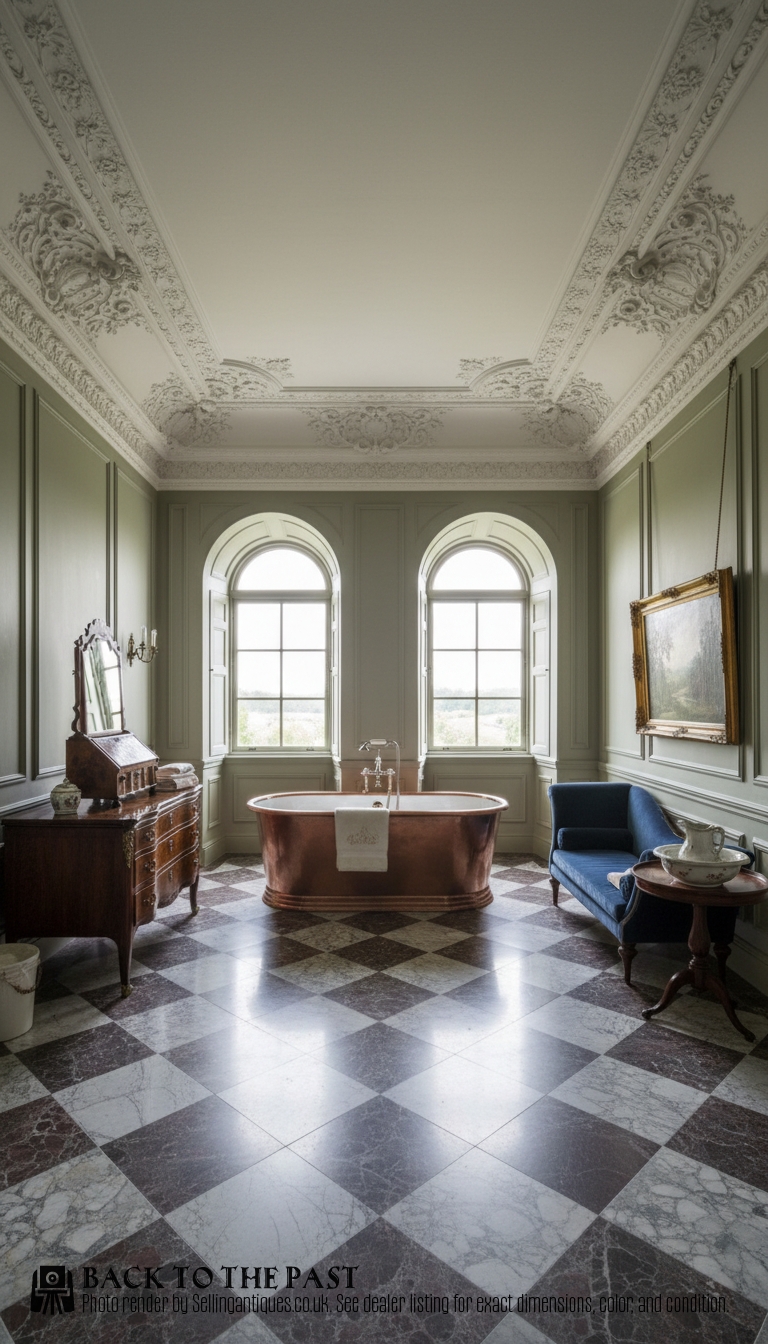
Inlaid Vanity Mirror
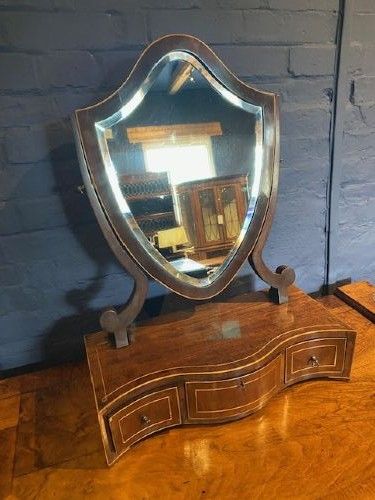
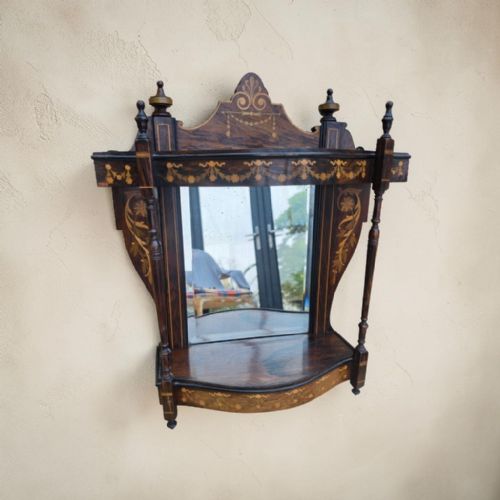
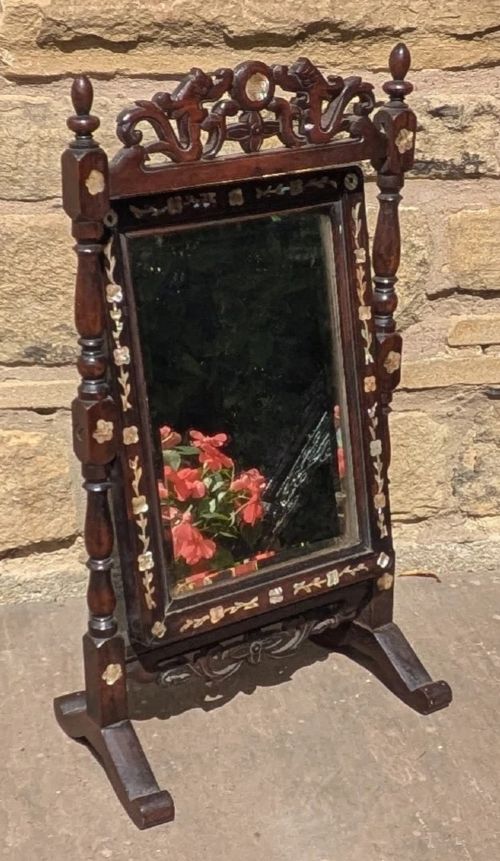
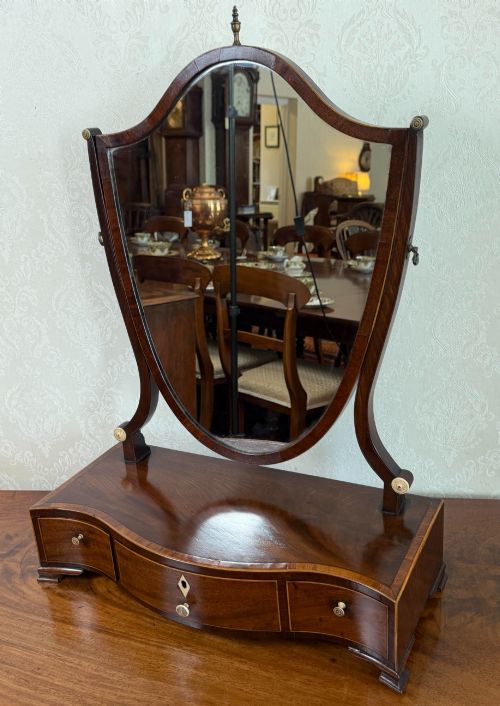
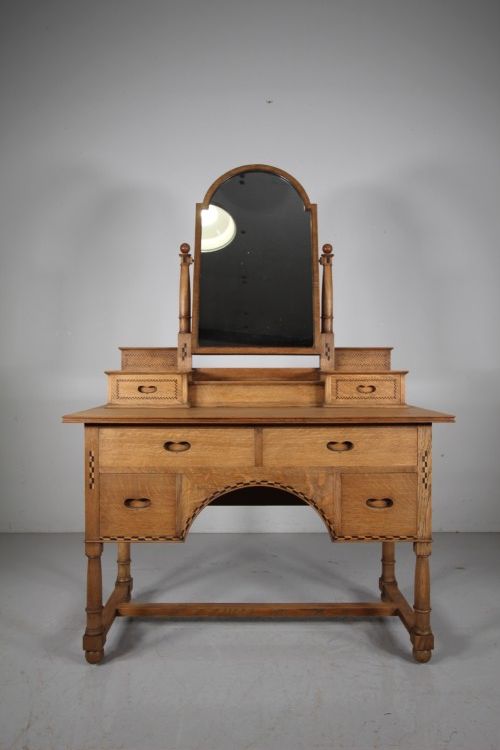
When searching for an inlaid vanity mirror, buyers encounter a range of forms designed for tabletops, dressing tables, and walls. The selection spans compact toilet mirrors, pivoting swing frames, and larger cheval mirrors mounted on stands.
The pieces appearing on this page originate predominantly from the Georgian, Victorian, and Edwardian periods, alongside specific examples from the eighteenth and nineteenth centuries. Alongside standard mirrors, the listings include dressing chests, shaving stands, and related pieces incorporating integrated storage or jewellery compartments.
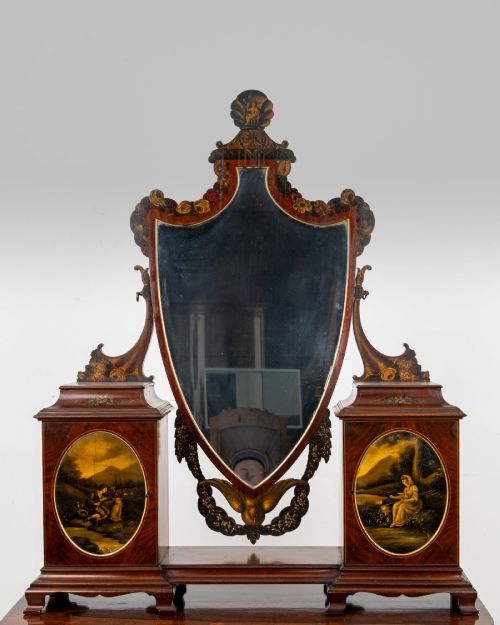
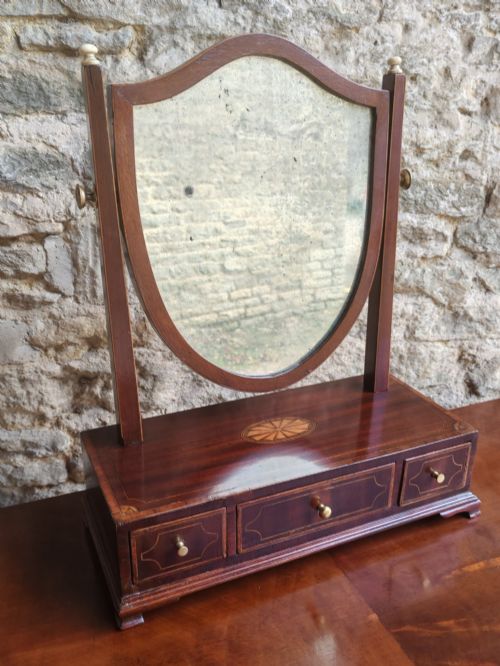
Makers and regional workshops utilised styles such as Sheraton Revival, Arts and Crafts, and Dutch marquetry to ornament these objects. Structural designs vary from simple shield shapes to elaborate multi-tiered table units with small drawers.
Materials and construction methods
Cabinetmakers constructed these frames primarily using solid timbers and veneers of mahogany, walnut, satinwood, and harewood. Surface decoration frequently incorporates contrasting wood inlay, marquetry, and occasional bone or mother of pearl detailing.
Reflecting diverse regional traditions, certain pieces integrate brass hardware, pierced metal edges, or specialised joinery. Swing mirrors and table-top chests rely on pivot mechanisms and hinged compartments to combine utility with decorative cabinetwork.
Certain pieces hide secret compartments originally designed to secure small letters and valuable trinkets.
Distinctions in craftsmanship
Quality in an inlaid vanity mirror rests upon the precision of the cabinetwork and the execution of the decorative veneer. Fine examples display seamless joints, crisp marquetry, and well-proportioned frames that maintain stability during pivoting.
The choice of primary timber and the intricacy of the inlay distinguish standard production from exceptional pieces. Superior items often feature secondary details such as original brass fittings, fitted internal compartments, and balanced grain patterns across the mirror frame.
Edwards and Roberts·Wright and Hunter of Belfast·Gillows·B Cohen and Sons
The Inlaid Vanity Mirror Glossary
- Swing mirror
- A glass plate mounted on vertical pivots within a frame, allowing the angle of reflection to be adjusted. These units commonly sit upon small drawer bases or dressing tables.
- Cheval mirror
- A full-length freestanding mirror supported by a frame with four legs and pivoting side supports. The design allows the user to view their entire outfit.
- Marquetry
- The art of applying decorative pieces of veneer to a structural surface to form pictorial or geometric patterns. Makers utilised contrasting woods to achieve distinct visual depth.
- Toilet mirror
- A smaller table-top mirror historically used for grooming and cosmetics, frequently accompanied by small storage drawers. They gained popularity during the Georgian and Victorian eras.
- Satinwood
- A hard, durable timber with a characteristic golden-yellow sheen and smooth grain. It served extensively as a veneer for fine inlay work on late eighteenth and nineteenth-century furniture.
Inlaid Vanity Mirror: Frequently Asked Questions
How do I date an inlaid vanity mirror?
Dating relies on observing the timber species, construction methods, and prevailing stylistic influences. Georgian pieces often display simpler mahogany frames with subtle stringing, whereas Edwardian and Victorian examples frequently incorporate elaborate marquetry or satinwood.
Hardware, mirror glass characteristics, and secondary woods provide further clues to the period of manufacture. Makers' stamps or labels, when present, offer definitive attribution to specific workshops.
Where should I place a table top mirror?
Table top mirrors require a stable surface such as a dressing table, chest of drawers, or sideboard. Placing them at an appropriate height ensures comfortable daily use for grooming.
Positioning the glass away from direct, prolonged sunlight helps preserve the polished timber frame and the silvering behind the mirror glass. Adequate lighting from the sides enhances the functionality of the reflective surface.
How do I care for antique wood inlay?
Maintaining inlaid wooden surfaces involves keeping them away from excessive moisture and sudden temperature changes. Gentle dusting with a dry, soft cloth prevents the accumulation of particulate matter.
Occasional application of appropriate furniture wax helps nourish the timber and protect the delicate veneer. Avoiding harsh chemical cleaners preserves the historical finish and prevents lifting of the inlay.