


Inlaid Walnut Dressing Mirror
An inlaid walnut dressing mirror brings rich timber grain and intricate marquetry to a table or chest, offering both reflection and discreet storage.
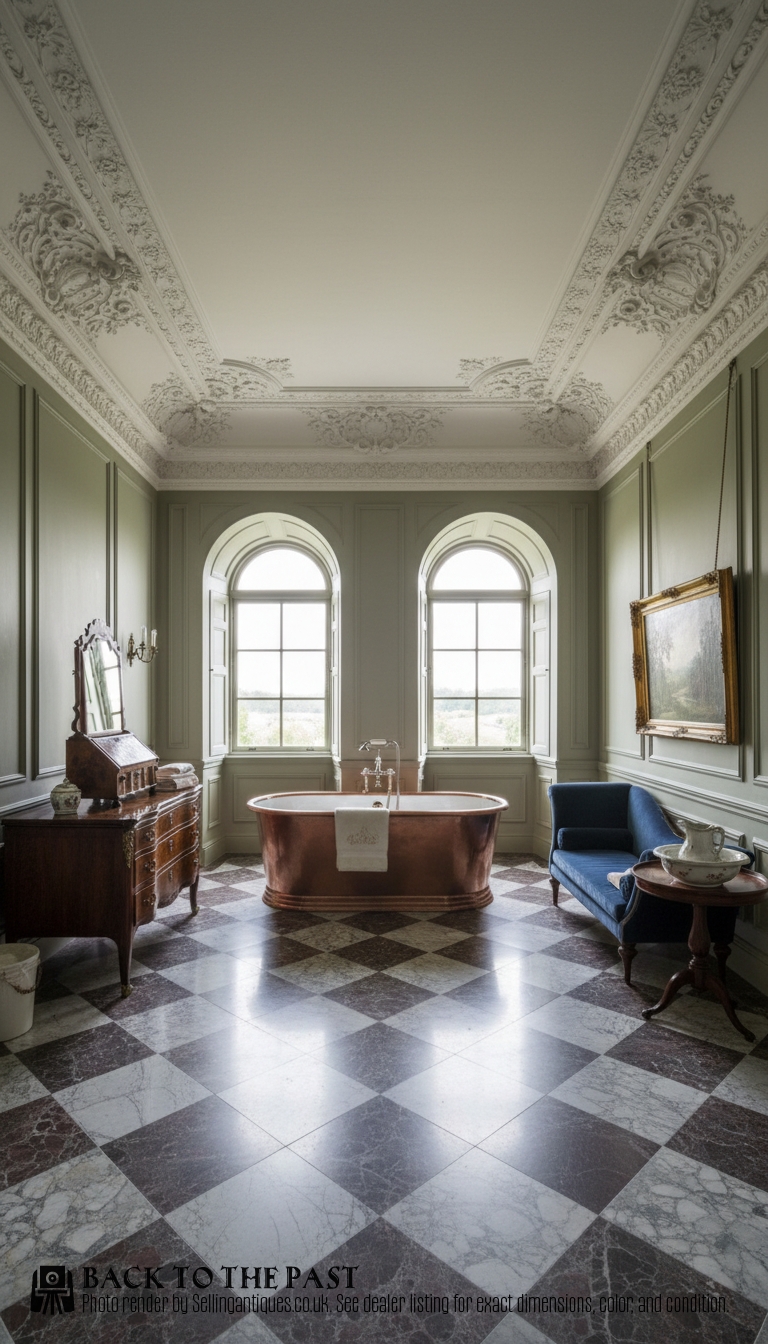
Inlaid Walnut Dressing Mirror
When you search for an inlaid walnut dressing mirror, you encounter a range of forms from table swing mirrors to larger kneehole dressing chests and fitted boxes. The pieces span the eighteenth, nineteenth, and early twentieth centuries, reflecting changing domestic habits in grooming and personal organisation.
You are most likely to meet nineteenth-century examples and Dutch marquetry toilet mirrors on this page. These variants combine functional mirror plates with elaborate fruitwood, boxwood, and satinwood inlays.
Makers such as Maples appear alongside unmarked vernacular pieces, showing how both commercial cabinet makers and regional workshops produced these items. The forms encompass simple swing mirrors alongside complex dressing tables equipped with jewellery compartments.
How they were made
Cabinet makers built these mirrors using walnut and burr walnut veneers applied to secondary timbers, creating rich surface patterns across the frames and drawer fronts. Fruitwood, boxwood, and satinwood were then hand-cut for marquetry and stringing details, often forming floral or geometric motifs.
Brass fittings such as swing screw-nuts, handles, and escutcheons secured the pivoting mirror plates and decorated the drawers. Interior fitted compartments utilised fine secondary woods to organise jewellery and toilet requisites.
Materials recorded across the inventory include burr walnut, fruitwood marquetry, satinwood, boxwood, mother of pearl, and brass.
What varies in quality
The sophistication of the marquetry and the choice of veneer distinguish simpler utility pieces from high-status examples. Burr walnut with lively, figured grain and finely shaded floral inlay represents the upper end of the range.
The crispness of the cabinet making, the integration of fitted interior compartments, and the survival of original brass hardware determine the overall integrity of a piece. Finer mirrors retain their original glass plates and well-balanced swing actions.
Maples
The Inlaid Walnut Dressing Mirror Glossary
- Marquetry
- Decorative veneer work forming pictorial or geometric patterns on a wooden surface. Craftsmen cut contrasting woods together to fit tightly into prepared recesses.
- Swing mirror
- A mirror plate mounted on upright posts that pivots between two arms. This allows the user to adjust the angle of reflection.
- Burr walnut
- Timber taken from the gnarled growth of a walnut tree, showing swirling, highly decorative grain patterns. It was frequently sliced into thin veneers for cabinet fronts.
- Kneehole
- A recess beneath the centre of a dressing table or desk that allows a person to sit comfortably. It is typically flanked by banks of small drawers.
- Stringing
- Thin lines of contrasting inlay used to outline panels, drawers, or table tops. It provides a crisp border to more elaborate marquetry designs.
Inlaid Walnut Dressing Mirror: Frequently Asked Questions
How were dressing mirrors used?
Dressing mirrors were placed on top of chests of drawers or dressing tables to assist with grooming, shaving, and hairstyling. Many incorporated small boxes or drawers at the base for holding jewellery, pins, and cosmetics.
Over time, forms evolved from simple table swing mirrors into comprehensive kneehole dressing tables with fitted compartments.
How do I date a walnut mirror?
Dating relies on examining the construction methods, secondary woods, and hardware styles alongside the specific marquetry motifs. Eighteenth-century pieces often show different edge moulding and dovetailing compared to Victorian iterations.
The presence of specific styles, such as the Aesthetic movement or George II revival, helps narrow the period of manufacture.
Are these mirrors stable?
Most table mirrors rely on pivoting side screws attached to upright arms to hold the glass frame at the desired angle. Properly adjusted brass hardware keeps the mirror balanced during daily use.
Heavier kneehole dressing chests provide a stable base for the attached superstructure and multiple storage drawers.