

Inlaid Tripod Wine Table
An inlaid tripod wine table offers a compact surface raised on three legs, bringing decorative marquetry and practical charm to any room.
Inlaid Tripod Wine Table
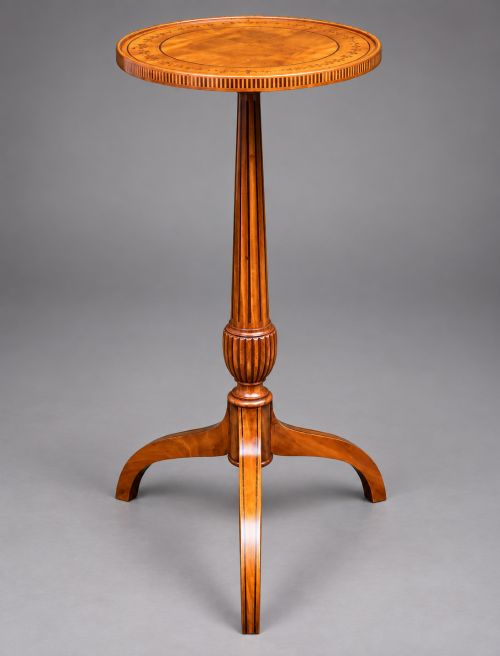
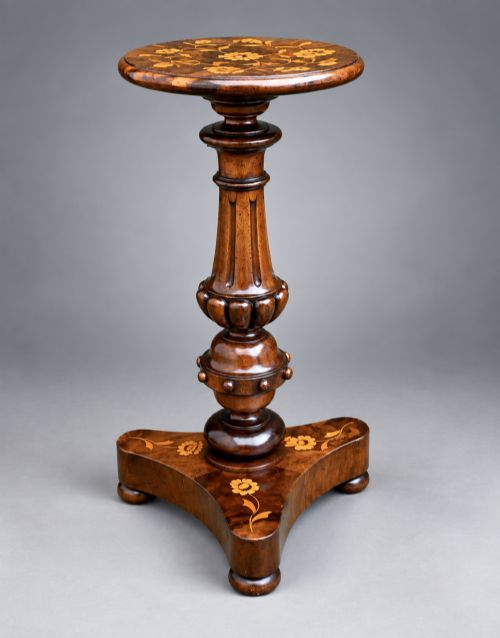
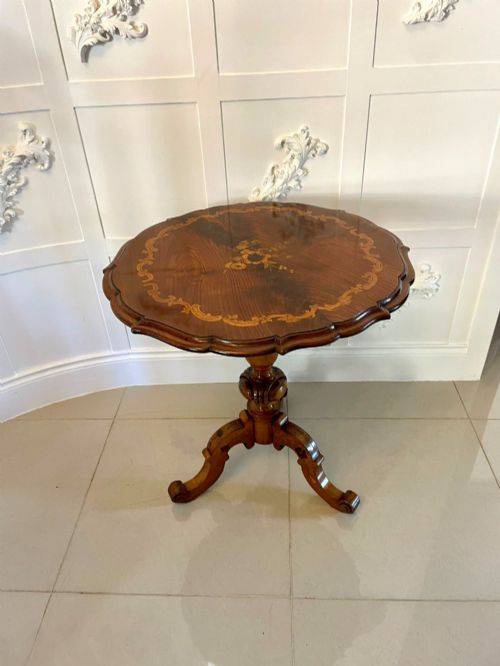
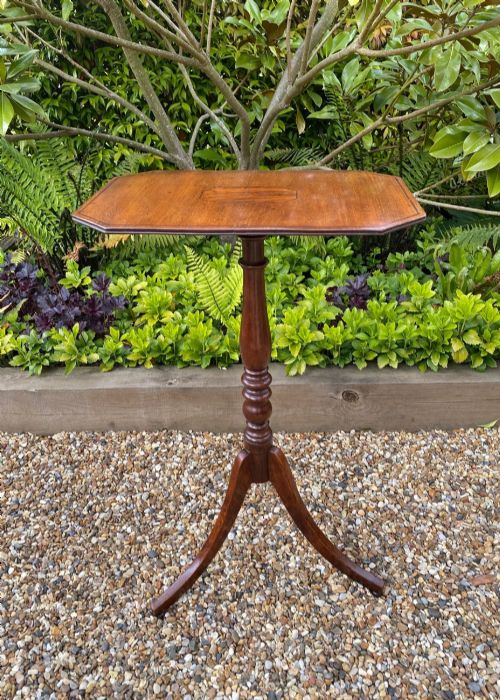
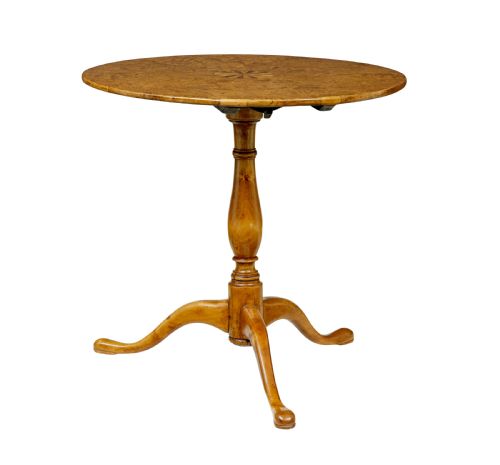
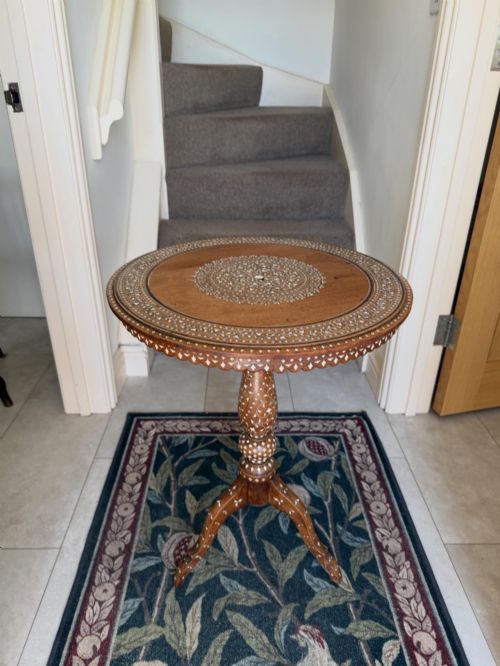
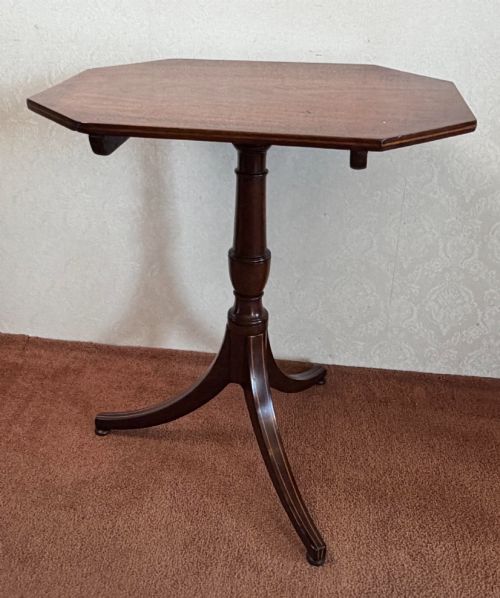
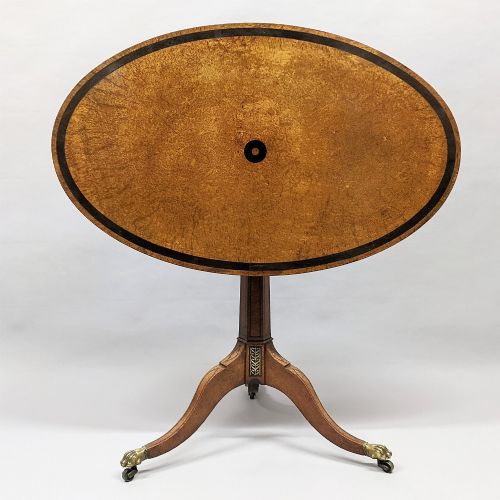
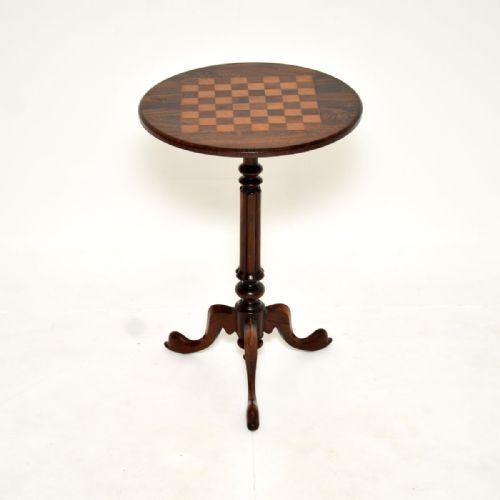
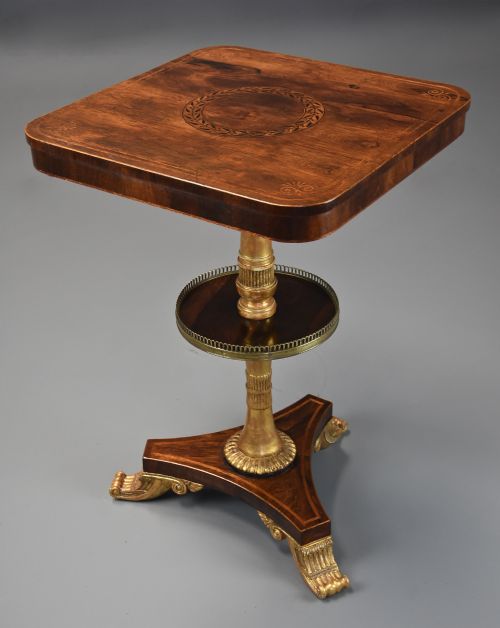
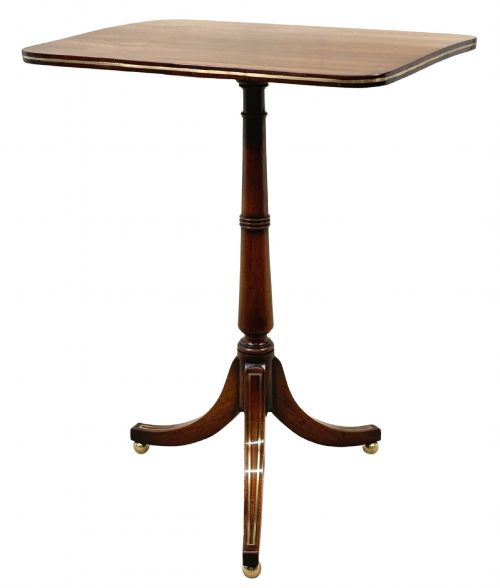
When searching for an inlaid tripod wine table, you encounter small occasional surfaces designed to support a single glass, book or candle. These pieces balance a circular, oval or shaped top upon a central pillar supported by three splayed legs.
Many survivors feature tilt-top mechanisms allowing the surface to fold flat against the pillar when not in use. They serve equally well beside an armchair or as a decorative accent in a hallway.
How they were made
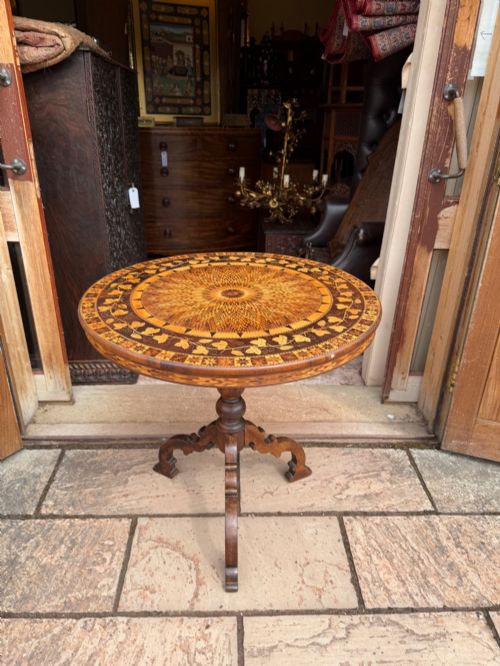
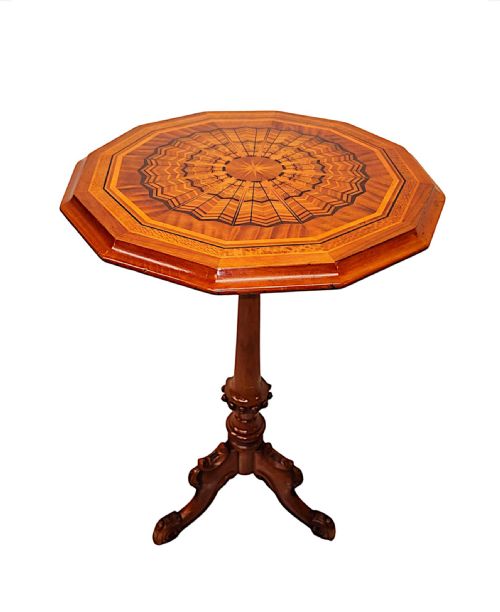
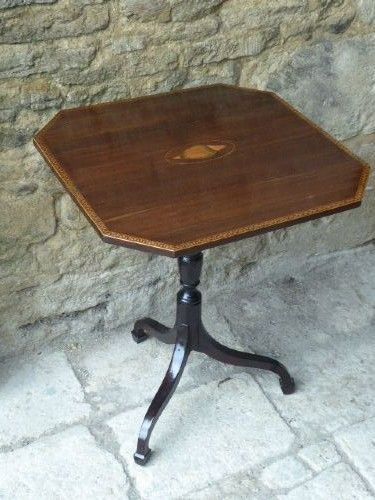
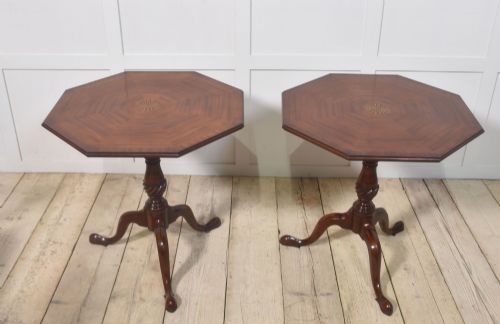
Cabinet makers utilised dense native and exotic hardwoods like mahogany, walnut and rosewood for the structural framework. Tops often received intricate marquetry and parquetry patterns using lighter timbers such as satinwood, boxwood and birch, sometimes enhanced with brass stringing.
The pillar and tripod base required precise turning on a lathe and sturdy joinery where the legs met the central stem. Many examples incorporate a birdcage mechanism or a tilting catch, permitting the tabletop to pivot.
Listings feature walnut, mahogany and rosewood surfaces decorated with boxwood, satinwood and brass inlay.
What varies in quality
Quality rests principally in the crispness of the timber inlay and the selection of figured veneers like burr walnut or amboyna. Finely executed floral marquetry or geometric parquetry demands exceptional skill from the artisan.
Proportion and stability separate finer examples from standard workshop output. A well-balanced tripod base and smooth-operating tilt mechanism indicate superior craftsmanship.
Gillows·George Bullock
The Inlaid Tripod Wine Table Glossary
- Marquetry
- The art of forming decorative patterns on a wooden surface by fitting together small pieces of veneer. These designs often depict floral motifs or elaborate scenes.
- Parquetry
- Geometric wood inlay forming a mosaic pattern across a tabletop. This technique creates repeating shapes such as cubes or chequers.
- Tilt-top
- A hinged tabletop mechanism allowing the surface to rotate vertically. This design enabled tables to be stored against a wall when not in use.
- Specimen wood
- Furniture constructed from or inlaid with a variety of distinct timber species. Collectors prize these for their contrasting natural colours and grain patterns.
- Brass stringing
- Fine inlaid lines of brass set into grooves cut into the wood. This detail accentuates the borders of tables from the Regency period.
Inlaid Tripod Wine Table: Frequently Asked Questions
What was a wine table used for?
These small tables were positioned beside seating to hold wine glasses and bottles during evening gatherings in the drawing room. Their compact footprint made them easily movable.
Over time, owners also utilised them as candle stands or general lamp tables. Today they function as versatile accent surfaces in domestic interiors.
How do I identify a Regency period table?
Regency examples frequently display dark rosewood or mahogany timbers enhanced by contrasting brass stringing. The silhouettes tend to draw inspiration from classical Greek and Roman forms.
Tripod bases from this era often feature finely reeded pillars and splayed legs terminating in brass paw feet or castors.
What is the difference between marquetry and parquetry?
Marquetry involves arranging pictorial veneers to create curved motifs, flowers or pictorial scenes across the tabletop. Artisans cut these pieces from various tinted woods.
Parquetry relies on strict geometric alignments to form repeating angular patterns like cubes or triangles. Both techniques elevate the decorative appeal of an occasional table.