
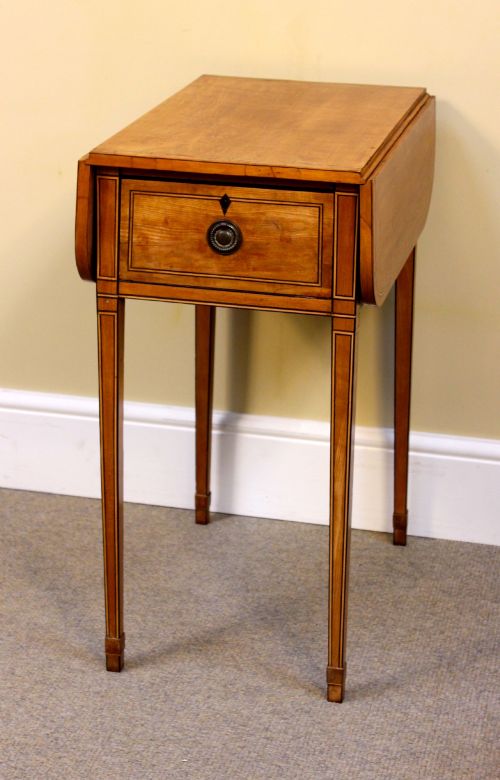


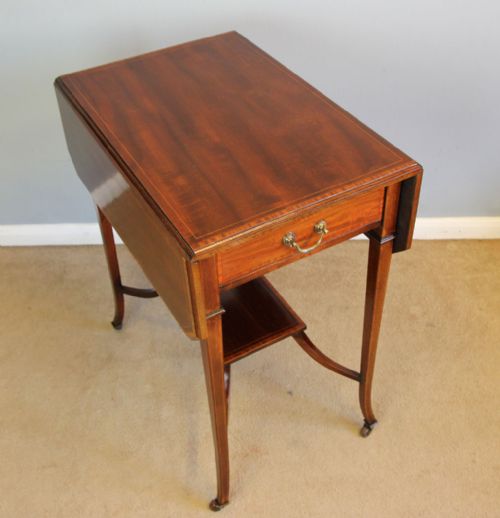


Inlaid Small Sofa
An inlaid small sofa brings compact seating together with delicate marquetry, offering a refined focal point for rooms with limited space.
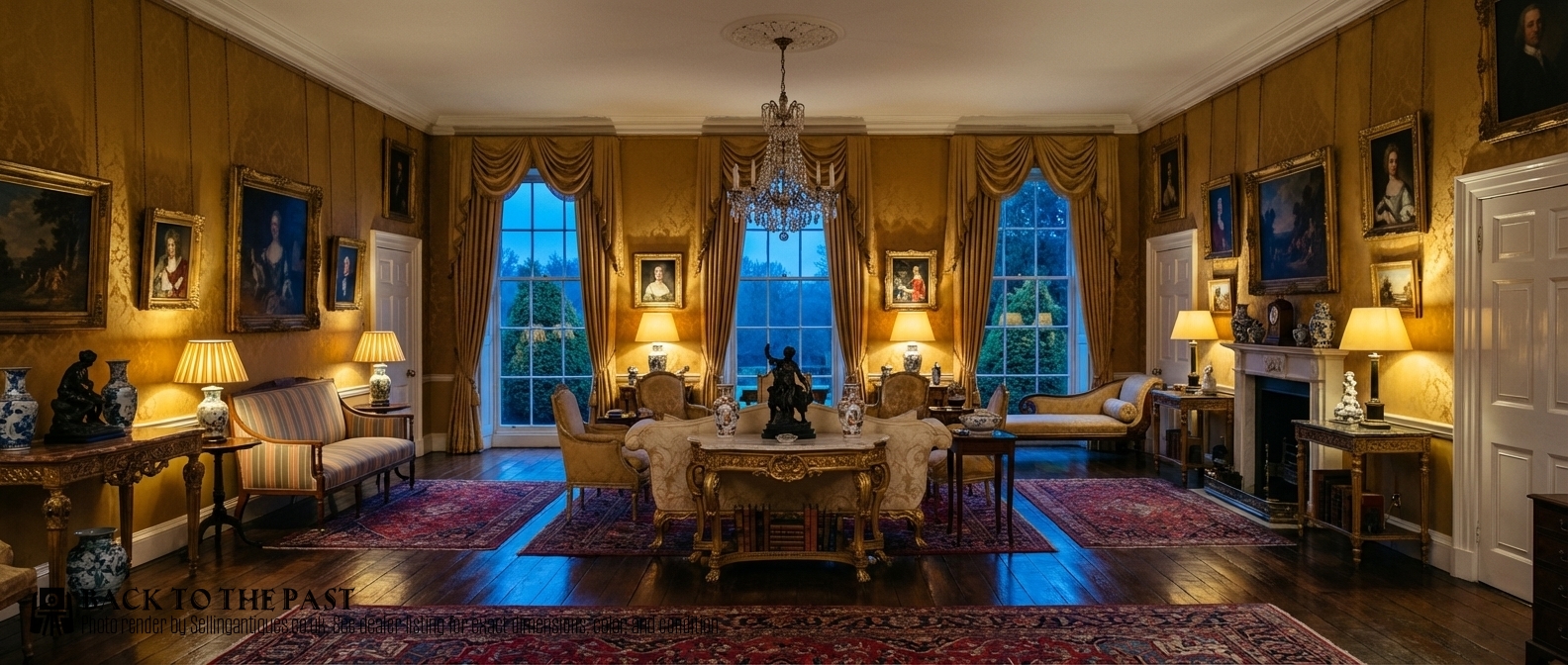
Inlaid Small Sofa
An inlaid small sofa is a piece of seating furniture designed on a modest scale, frequently encountered in Edwardian and Victorian guises. These items combine timber frames with decorative woodwork to create compact settees, cottage sofas, and chaise longues suitable for intimate interiors.
The evidence shows these compact settees and sofas are built primarily in mahogany and rosewood, often enhanced by contrasting stringing and floral motifs. Alongside actual seating, the category overlaps with versatile sofa tables featuring drop leaves and elaborate marquetry surfaces.
Makers and manufacturers during the nineteenth and early twentieth centuries produced these items to satisfy a demand for light, movable furniture. Buyers selecting an inlaid small sofa acquire a functional seat that doubles as an example of period cabinet-making skill.
Distinguishing Quality in the Range
Quality rests primarily on the crispness and complexity of the marquetry and inlay work. Finer examples display tightly fitted veneers with zero gaps, utilising varied tones of satinwood and ebony to create depth, whereas lesser pieces rely on simpler painted or stamped lines.
Several pieces squeeze complex marquetry and drop leaves into spaces barely larger than a tea tray.
The Inlaid Small Sofa Glossary
- Marquetry
- A decorative technique where pieces of veneer are fitted together to form pictorial or geometric designs on a wooden surface. This method defines the ornamented panels seen on many tabletop and seating surfaces.
- Satinwood
- A durable, yellowish timber prized for its lustrous sheen and used extensively for contrasting inlay work. Cabinet-makers favoured it to highlight borders and central motifs.
- Pembroke table
- A small table featuring two hinged drop leaves on opposing sides, often equipped with a single drawer. These tables share the compact proportions frequently associated with smaller reception rooms.
- Sutherland table
- A narrow drop-leaf table where the flaps fold down almost vertically, supported by swinging gate legs. This design saves floor space while allowing the top surface to expand when needed.
Inlaid Small Sofa: Frequently Asked Questions
Where should I place an inlaid small sofa?
These compact pieces fit well in smaller sitting rooms, hallways, or at the foot of a bed where standard furniture proves too bulky. Their finished backs often allow them to sit away from the wall as a freestanding focal point.
Positioning them away from direct sunlight and heating vents protects the delicate timber veneers and prevents the natural wood from drying out or splitting over time.
How do I care for the wood and inlay?
Dust the surfaces regularly with a soft, dry cloth and apply a quality beeswax sparingly to nourish the timber grain. Avoid modern liquid polishes that contain silicone, as they can damage antique finishes.
Maintaining a stable room temperature and consistent humidity levels prevents the small boxwood and ebony veneer pieces from loosening out of their recesses.
Are these sofas comfortable for daily lounging?
While Edwardian and Victorian settees offer supportive seating for reading or conversation, their shallower seats and firm padding reflect the ergonomics of their era rather than modern lounging standards.
They function best as accent seating or occasional resting places in a room rather than primary television or family room furniture.
How can I tell an Edwardian piece from a Regency one?
Regency pieces often feature heavier brass inlays, rosewood timbers, and neoclassical forms derived from classical antiquity. Edwardian items tend to utilise lighter mahogany frames with Sheraton Revival satinwood floral marquetry and more delicate proportions.
Examining the secondary woods inside the frame and the style of the inlay provides clear clues regarding the decade of manufacture.