
Inlaid Marquetry Display Case
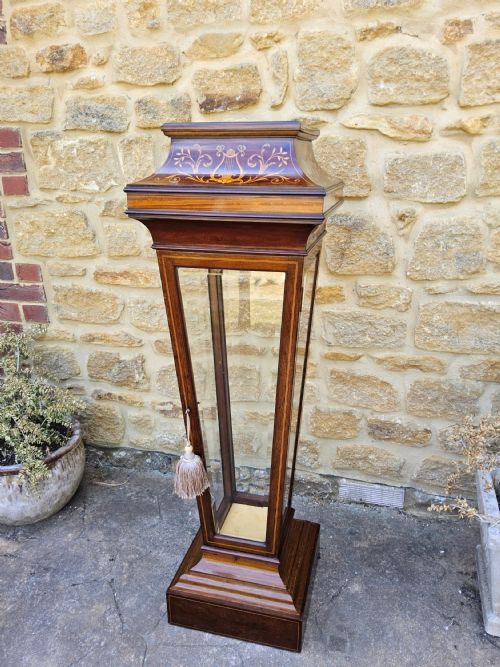
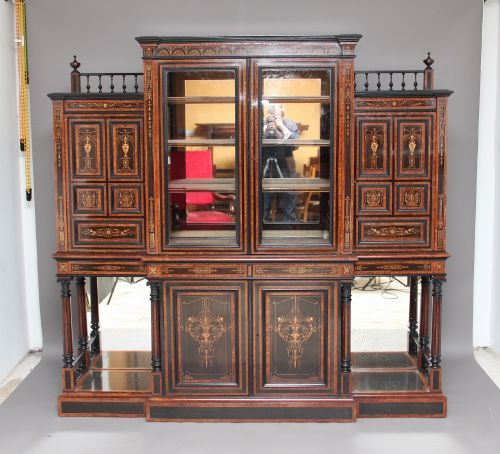
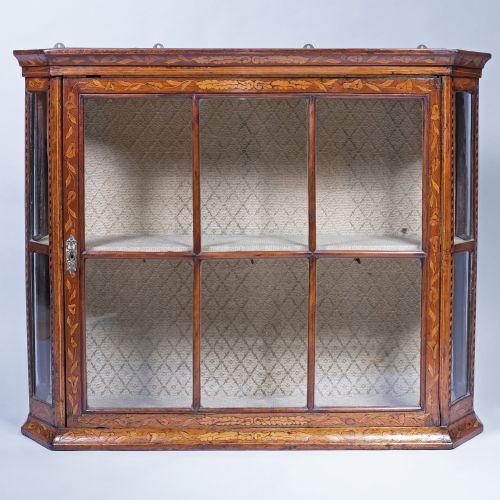
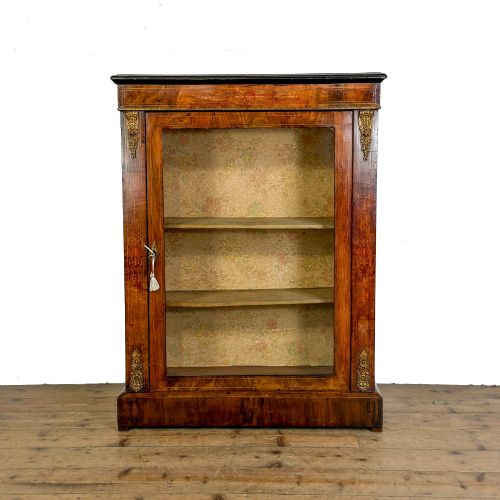
An inlaid marquetry display case unites fine timber with meticulous wood-to-wood picture work to showcase treasured objects.
Inlaid Marquetry Display Case
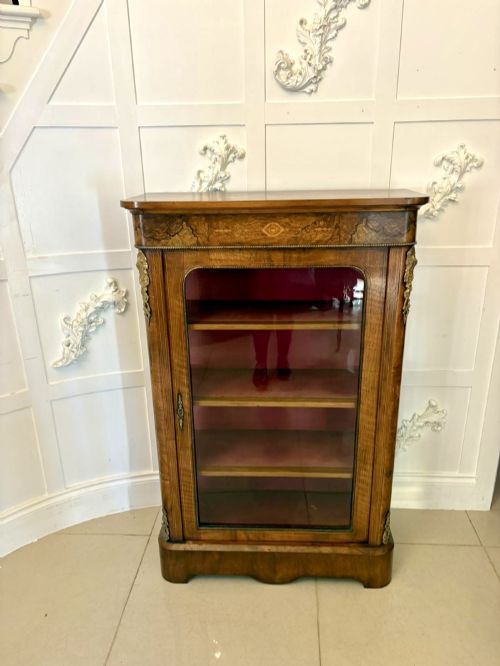
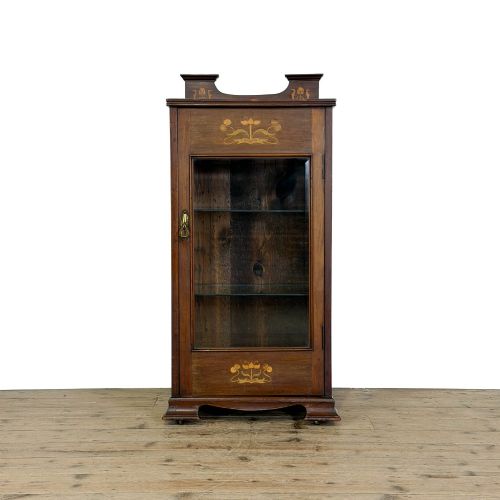
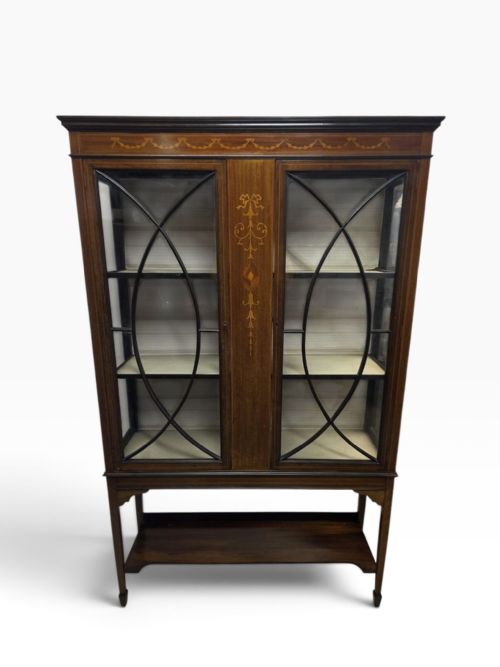
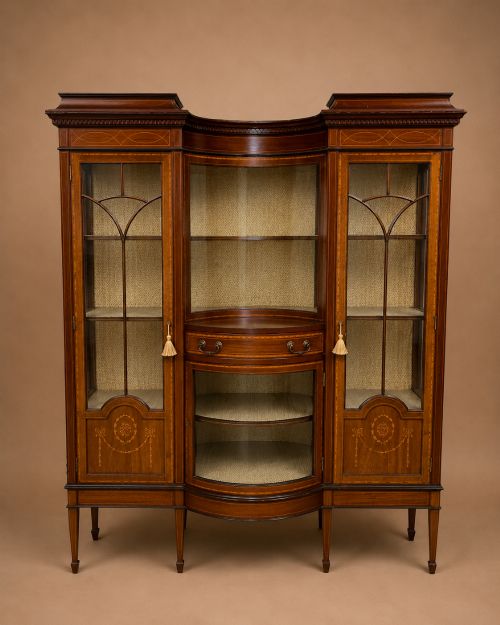
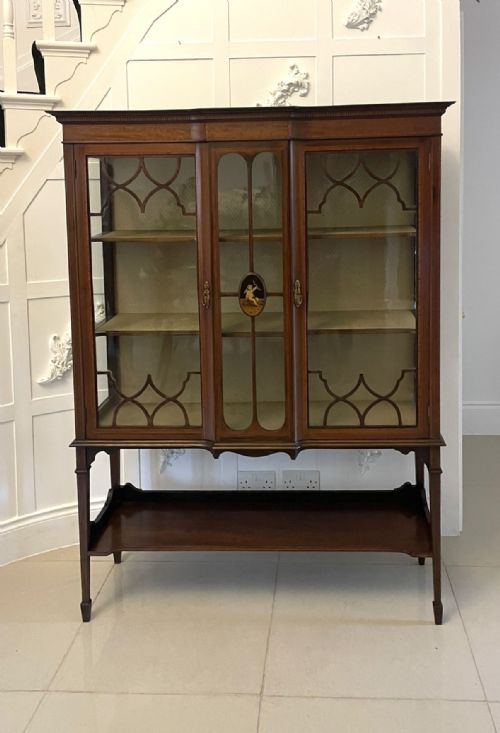
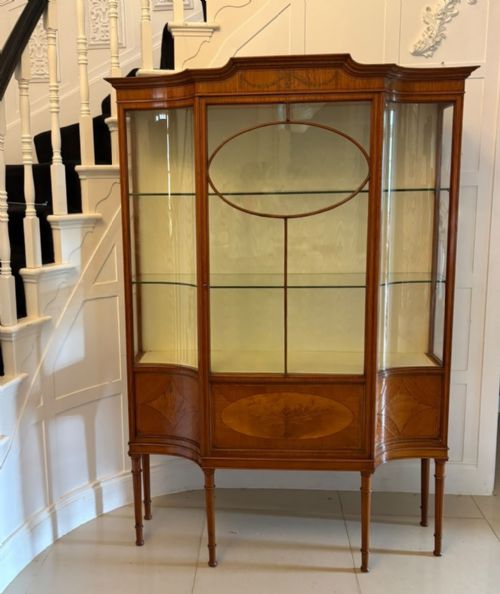
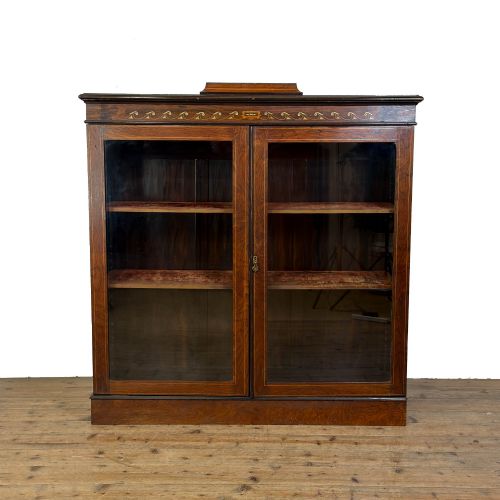
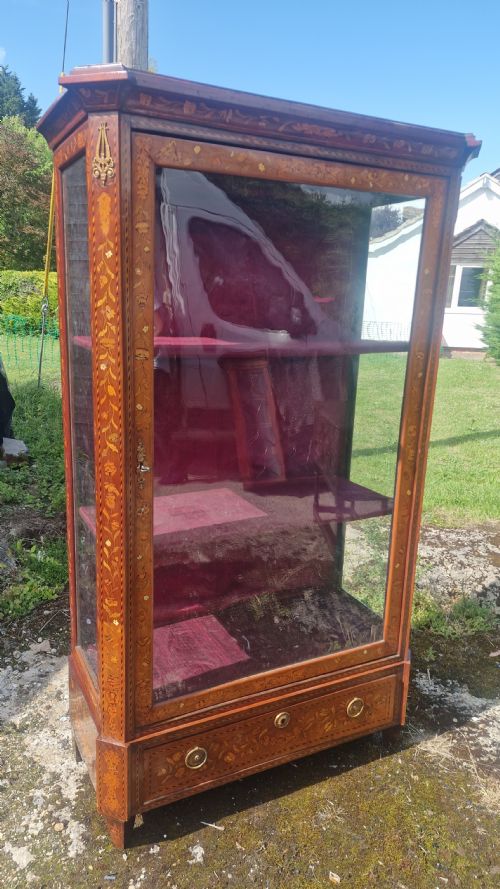
An inlaid marquetry display case serves to protect and exhibit objects behind glass panels while adding decorative presence to a room. The pieces recorded here span the Victorian and Edwardian eras, alongside pieces attributed to the nineteenth and eighteenth centuries.
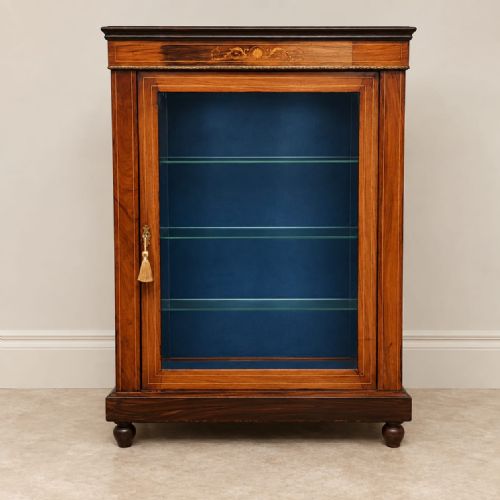
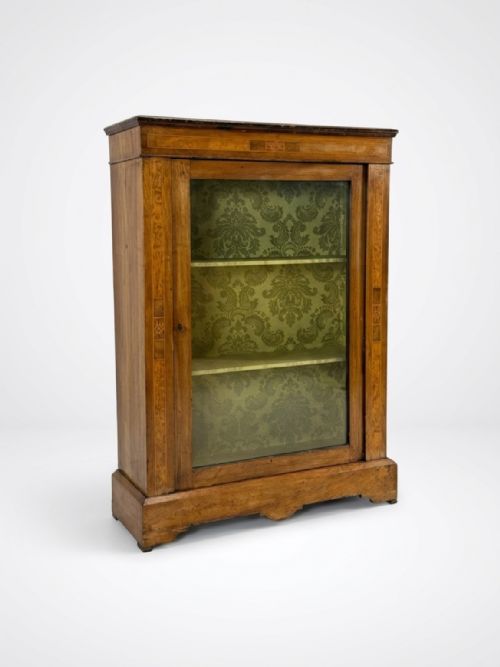
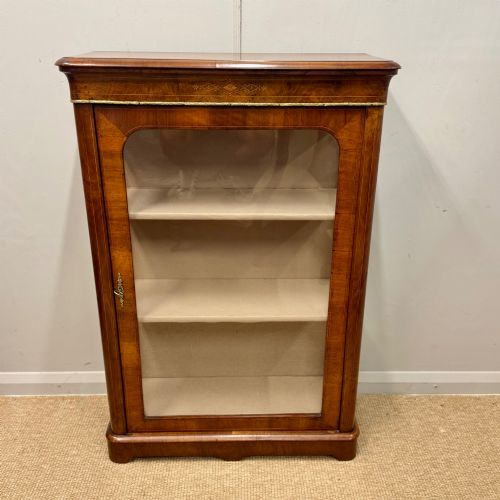
The forms vary considerably across the selection, ranging from compact pier cabinets and corner cupboards to larger credenzas and bookcase combinations. Among these, the single-door walnut pier cabinet and the mahogany Edwardian display cabinet appear most frequently in the listings.
Origins stretch from British workshops to French ateliers, incorporating styles such as Sheraton Revival, Napoleon III, Art Nouveau, and the Aesthetic Movement. Buyers encounter freestanding floor models, wall-mounted units, and corner designs tailored for specific interior spaces.
Distinctions in quality
The standard of a piece rests heavily on the crispness and complexity of the marquetry work and the choice of primary timber. Burr walnut and figured satinwood with fine grain patterns denote superior material selection by the maker.
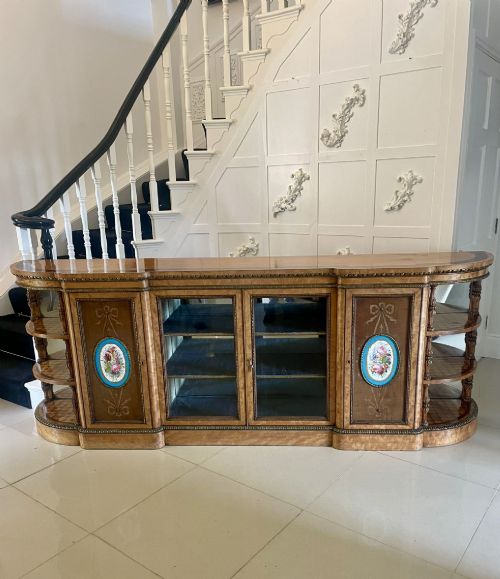
Refinements such as ormolu mounts, cast brass detailing, and porcelain plaques elevate a piece beyond standard production. The structural harmony of the glazed door frames and the precision of the veneer joints separate standard utilitarian items from exceptional workshop output.
Listings feature walnut, mahogany, and satinwood alongside decorative additions of brass, ormolu, velvet, and fabric linings across multiple eras.
Lamb of Manchester·James Hicks·EDWARDS and ROBERTS
The Inlaid Marquetry Display Case Glossary
- Marquetry
- The art of applying small pieces of veneer to a structure to form decorative patterns or pictures. This technique defines the visual character of the surfaces.
- Pier cabinet
- A low cabinet designed specifically to stand against the narrow section of wall between windows. These are typically slender and glazed.
- Ormolu
- Gilded bronze used for decorative mounts and feet on nineteenth-century furniture. It adds metallic contrast to the timber carcase.
- Veneer
- A thin slice of figured wood applied over a secondary timber base. This method allows cabinet makers to display expensive grains economically.
- Vitrine
- A glass-fronted display cabinet intended for the exhibition of porcelain and small curiosities. The French term often denotes lighter, highly decorative framing.
Inlaid Marquetry Display Case: Frequently Asked Questions
How do I tell Victorian from Edwardian cabinets?
Victorian pieces often employ dark, richly figured woods like burr walnut alongside heavier ormolu mounts and rich marquetry. They tend to have a denser visual weight and formal presence.
Edwardian cabinets frequently utilise lighter mahogany or satinwood timbers, often reflecting Sheraton Revival tastes with more delicate legs and restrained stringing.
How were these cabinets originally used?
Middle and upper-class households used them to display imported ceramics, glass collections, and decorative objects acquired during travels. The glass doors kept dust away from delicate ornaments while permitting guests to view them.
Some variations included lower cupboards or shelves for books, combining functional storage with surface display.
What is the difference between a credenza and a pier cabinet?
A credenza is typically a long, low sideboard unit with central glass display sections, often heavily embellished with ormolu and marquetry. They command significant wall space in larger reception rooms.
Pier cabinets are tall and narrow, built to fit specific architectural gaps between windows, offering a vertical display area rather than a wide surface.