

Inlaid Glass Cupboard
An inlaid glass cupboard brings refined display space to a room, uniting timber craftsmanship with glazed panels for an elegant interior focal point.
Inlaid Glass Cupboard
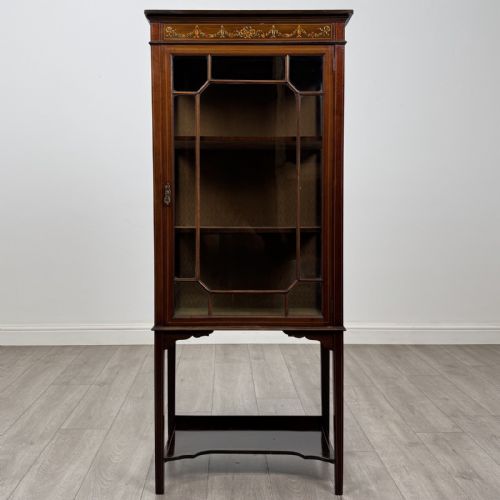
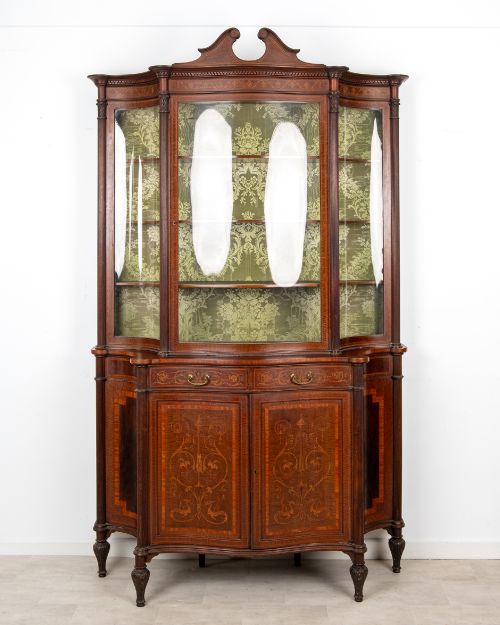
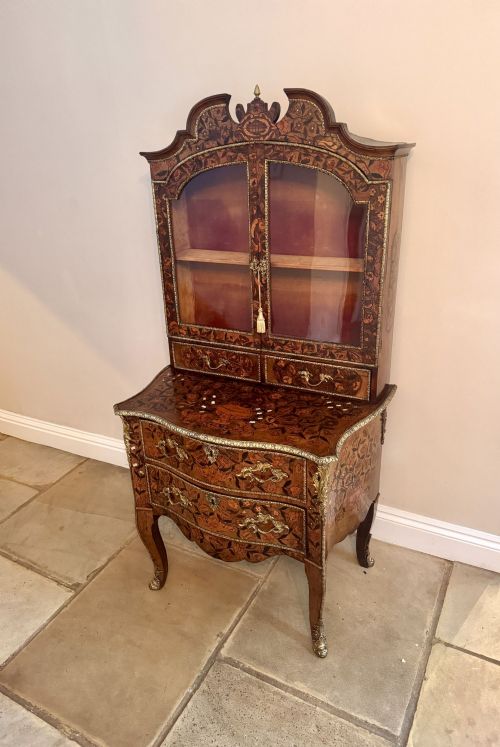
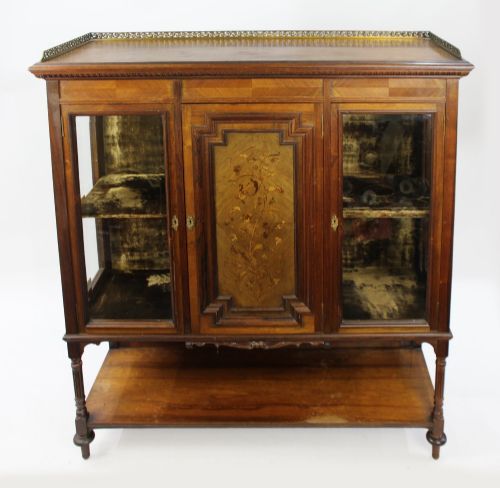
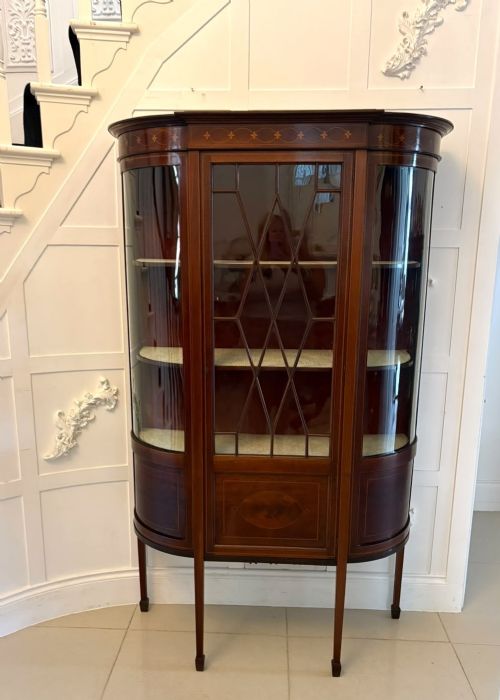
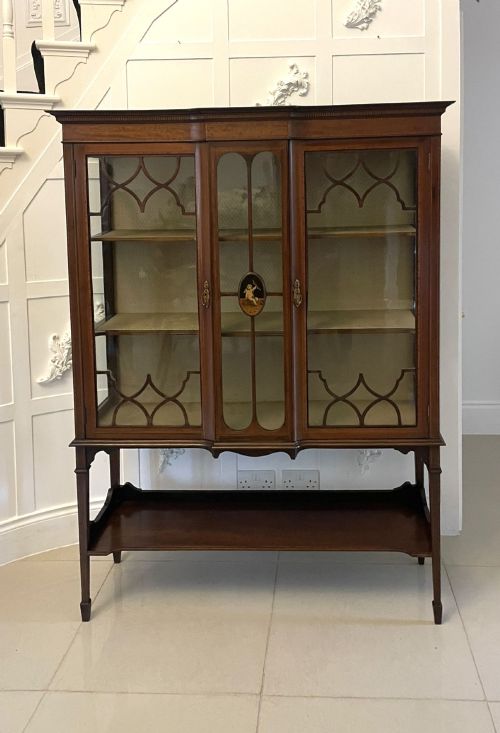
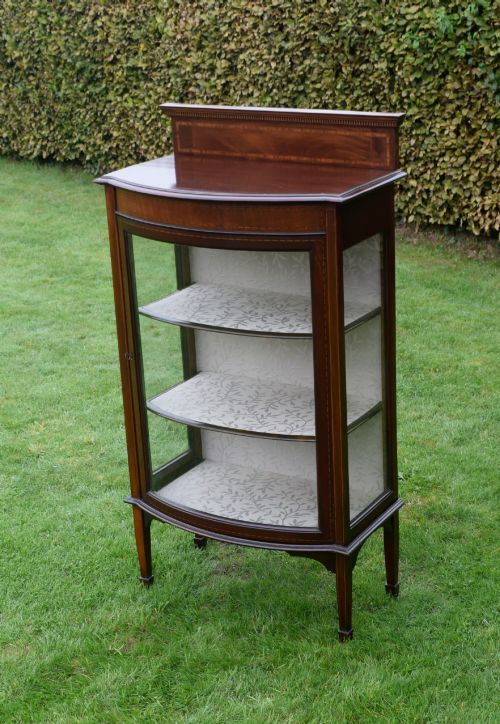
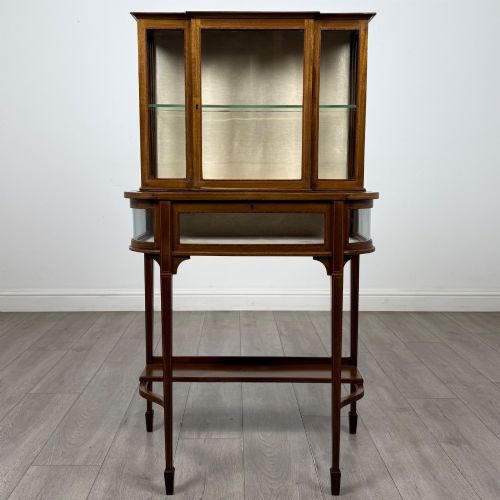
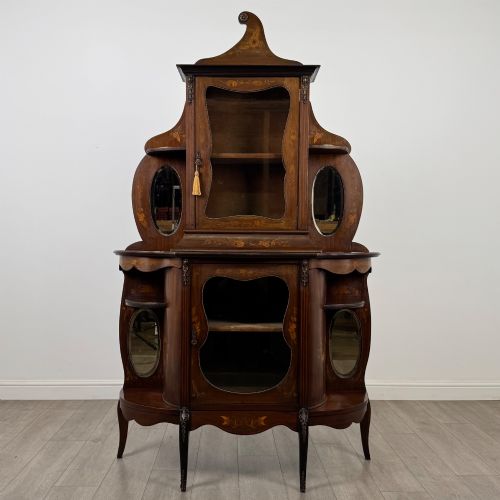
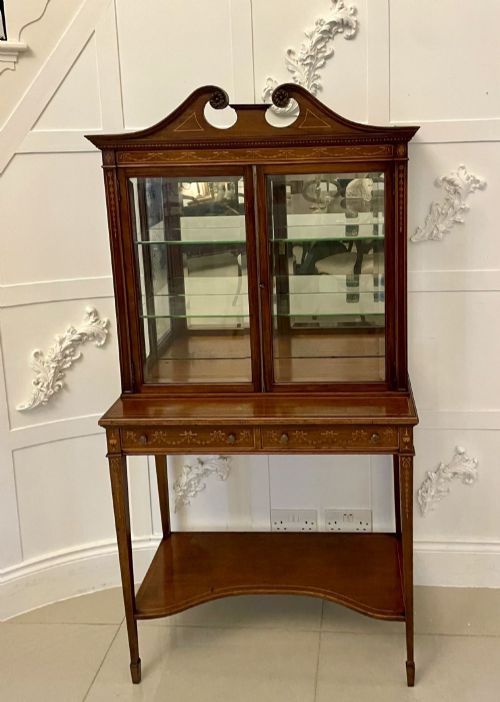
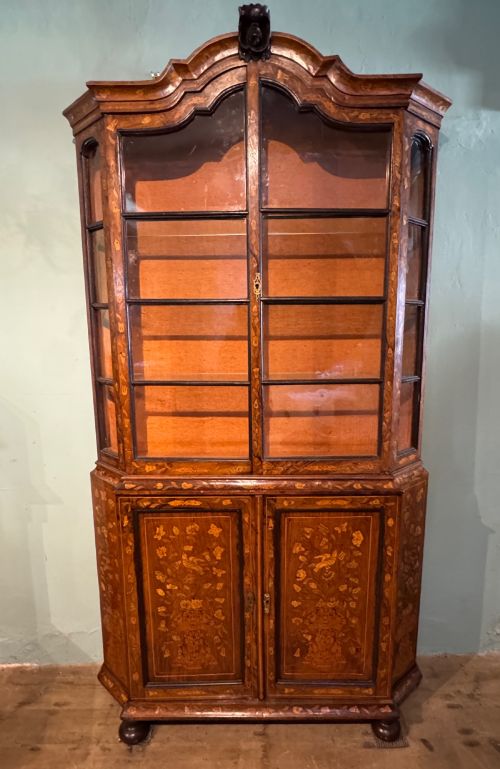
An inlaid glass cupboard serves primarily to showcase and protect prized objects, combining glazed doors or panels with decorative woodwork. When you search for an inlaid glass cupboard on this page, you encounter pieces spanning the Georgian, Victorian, and Edwardian eras, with Edwardian mahogany models appearing most frequently alongside Victorian walnut and satinwood variations.
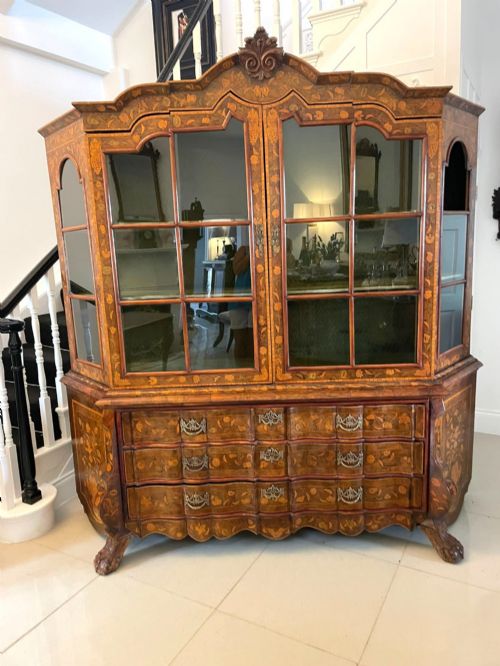
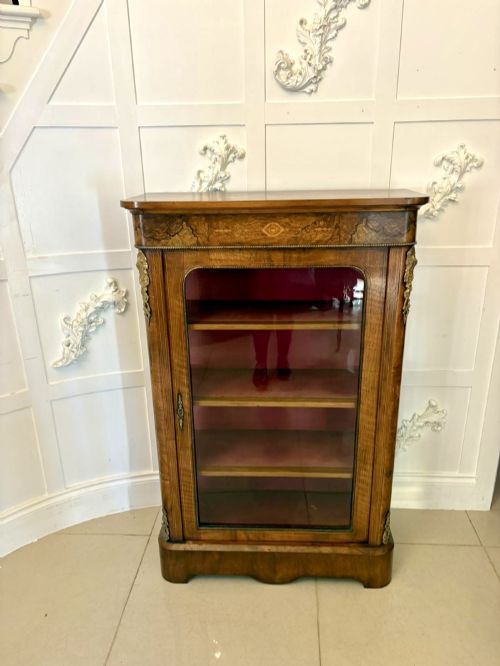
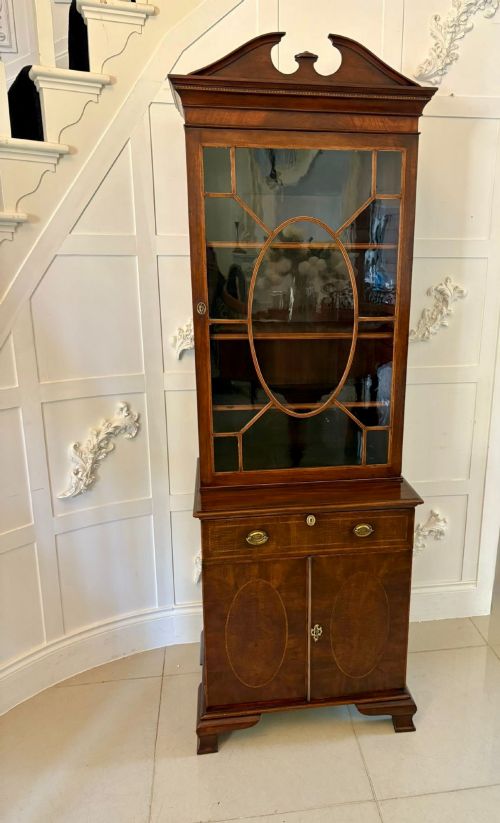
The selection encompasses a variety of forms designed for different interior spaces, including tall display cabinets, compact pier cabinets, corner units, and bookcase cabinets. Many examples feature delicate wood inlay or marquetry patterns set into primary timbers such as mahogany, walnut, and satinwood, often complemented by brass hardware or mirror backs.
Factors that distinguish quality
The sophistication of the timber selection and the precision of the inlay work largely determine the calibre of a piece. Finer examples display meticulously cut marquetry and high-grade veneers such as burr walnut or figured satinwood.
Structural refinement also separates standard utility pieces from exceptional items, seen in proportion, the elegance of glazing bar arrangements, and the integration of maker-attributed details or ormolu mounts.
Listings feature multiple wood species, including mahogany, walnut, satinwood, and rosewood, spanning periods from Georgian to Edwardian.
Edwards & Roberts·Maple & Co.
The Inlaid Glass Cupboard Glossary
- Marquetry
- Decorative veneer work formed by fitting together small pieces of wood, shell, or ivory to create pictorial or ornamental designs on a cabinet surface.
- Pier cabinet
- A low, narrow cabinet specifically designed to fit the wall space between windows in a Victorian drawing room.
- Sheraton Revival
- A late nineteenth and early twentieth century design style that reinterpreted the light, classical furniture forms associated with eighteenth-century designer Thomas Sheraton.
- Ormolu
- Gilded bronze ornamentation applied to furniture, popular in high-status nineteenth-century cabinetmaking for decorative mounts and feet.
Inlaid Glass Cupboard: Frequently Asked Questions
Where should I place an inlaid glass cupboard?
These cabinets suit reception rooms, drawing rooms, or hallways where natural light can strike the glass panels and highlight the timber grain. Their enclosed shelving makes them ideal for displaying ceramics, glassware, or collected books.
Because many versions include glazed doors or mirrored backs, positioning them away from direct, harsh sunlight helps protect the interior contents and the polished wood surfaces over time.
How do I distinguish Edwardian pieces from Victorian ones?
Edwardian inlaid glass cupboards, often dating around 1900, tend to utilise lighter satinwood timbers and frequently display Sheraton Revival influences with airy proportions. Victorian examples from the mid to late nineteenth century lean towards heavier burr walnut or mahogany constructions with rich, darker patination.
Examining the internal linings, hardware styles, and overall cabinetry weight assists in assigning pieces to their respective nineteenth or early twentieth century periods.
What is the difference between a display cabinet and a pier cabinet?
A display cabinet is generally a taller freestanding unit with glass panes on one or more sides to permit all-around viewing of interior collections. A pier cabinet is traditionally a shallower, single-door piece built to occupy a specific narrow wall section.
Both serve similar exhibition purposes, but pier cabinets are typically more compact and tailored for specific architectural wall spaces within formal rooms.
How do I care for the inlaid wood surfaces?
Maintaining the finish involves dusting regularly with a soft, dry cloth and occasionally applying a quality furniture wax suited to antique woods. Avoiding excessive moisture and sudden temperature changes prevents the veneer and delicate inlay work from lifting.
Keeping the cabinet away from direct heat sources preserves the stability of the timber and maintains the lustre of the polished surfaces.