


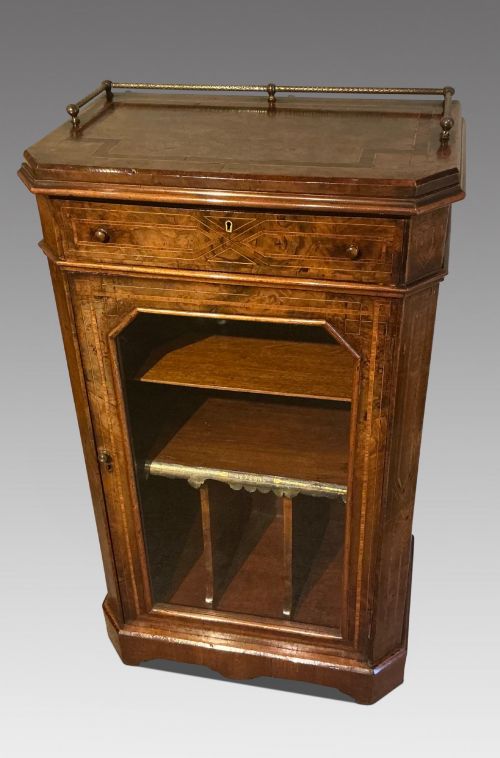


Inlaid Burr Walnut Stand
An inlaid burr walnut stand brings rich, swirling grain patterns and delicate contrasting stringing into a room, spanning forms from lamp tables to multi-tiered whatnots.
Inlaid Burr Walnut Stand
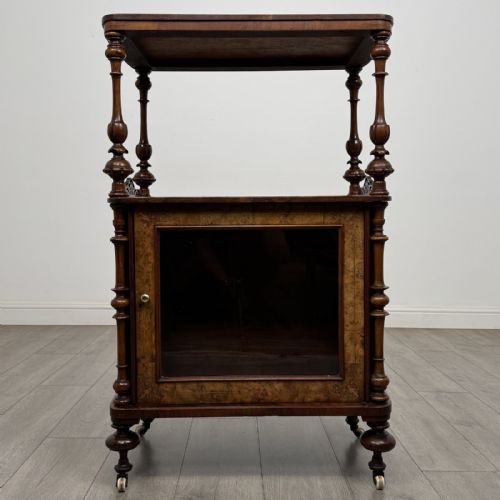
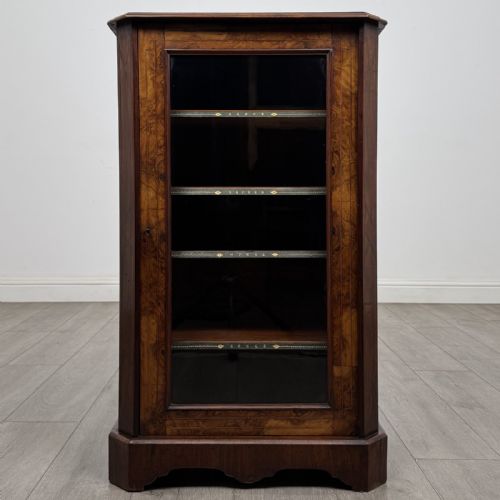
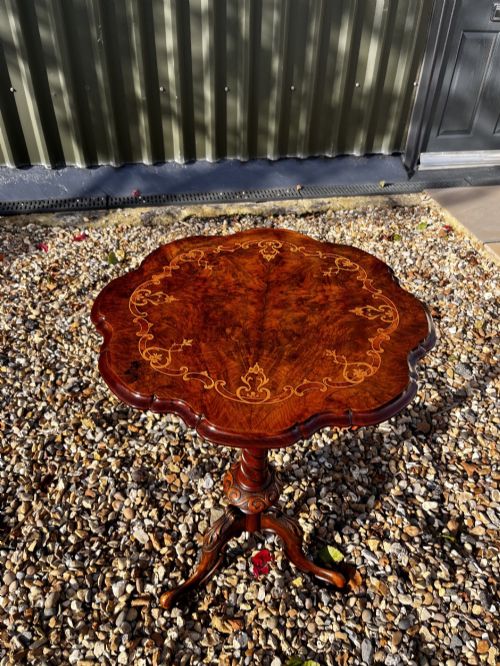
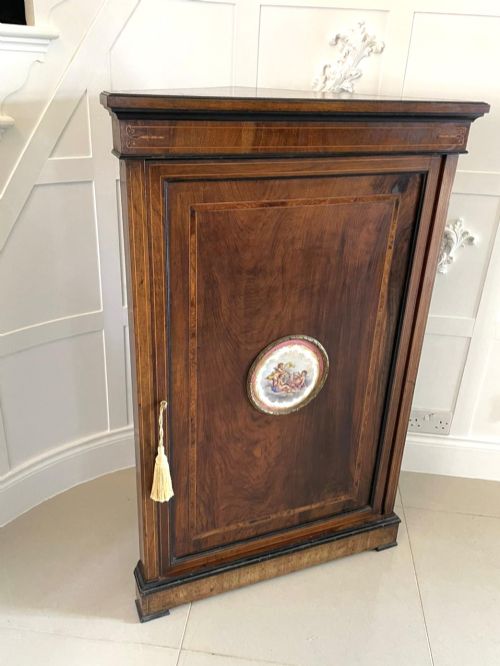
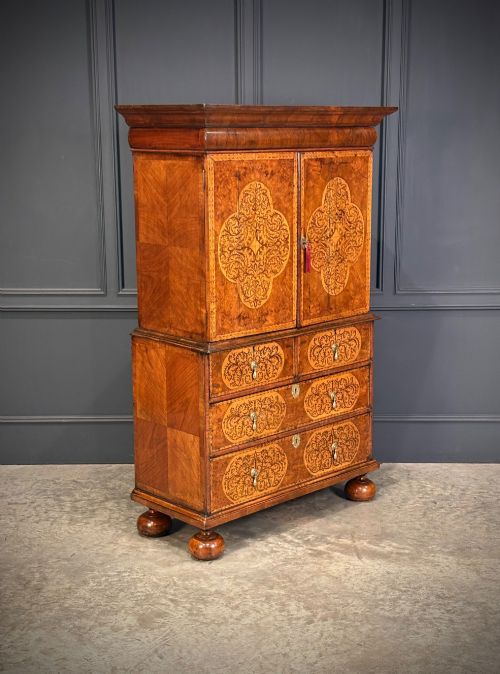
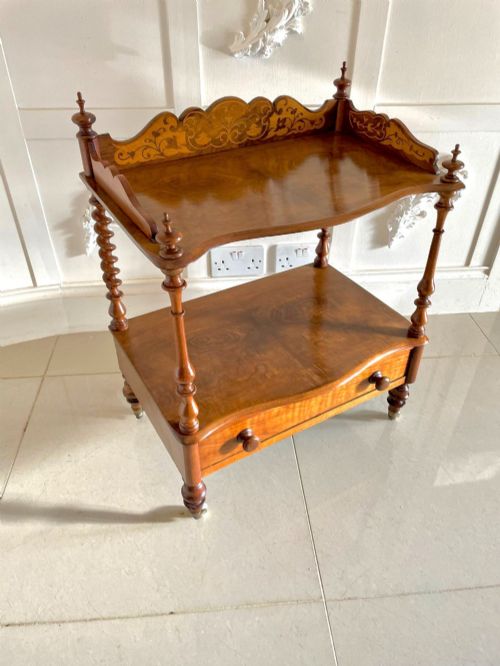
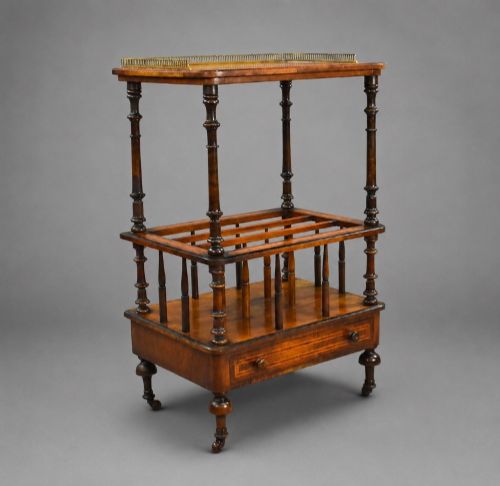
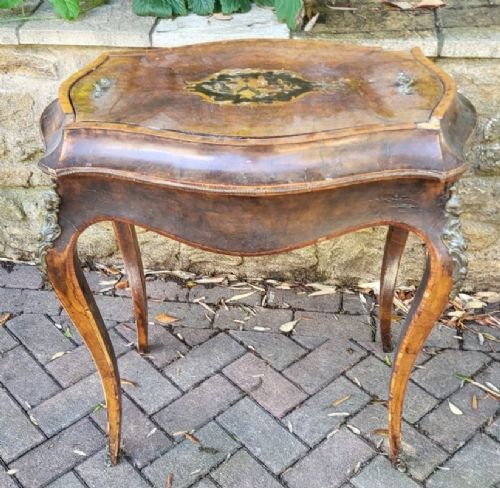
When searching for an inlaid burr walnut stand, collectors encounter a diverse array of nineteenth-century furniture types originating primarily from the Victorian era. The selection spans lamp tables, music cabinets, side cabinets, and tiered whatnots or etageres, alongside specialised pieces like canthorpes and planters.
Most examples date from the mid to late nineteenth century, reflecting the high Victorian preference for ornate domestic display and utility. These items served specific functions in drawing rooms and parlours, holding everything from sheet music and books to decorative lamps and plants.
The pieces on this page heavily represent Victorian craftsmanship, employing diverse structural forms shaped by French revival styles and traditional English cabinet-making. Buyers find both freestanding occasional items and fitted corner pieces designed to maximise interior space.
Materials and Construction
Makers constructed these stands using a foundation of solid timber veneered with highly figured burr walnut, prized for its intricate, knotty grain patterns. Craftsmen then enhanced these surfaces using contrasting woods such as boxwood for delicate linear stringing and pictorial marquetry motifs.
Secondary materials like brass, ceramic, glass and ormolu mounts frequently appear as functional hardware or decorative accents on cabinets and tables. Ebonised details often provide stark visual borders to frame the rich brown tones of the walnut veneer.
Inlaid Burr Walnut Stand Retail Price Guide 2026
Typical asking prices for inlaid burr walnut stand among the pieces listed under this phrase on Sellingantiques today, from the lower quarter to the upper quarter. They describe what is for sale here now, not the wider market.
Some nineteenth-century stands doubled as wine coolers or cellarettes, keeping drinks chilled while looking like polite parlour furniture.
Assessing Quality
Quality in an inlaid burr walnut stand rests heavily on the selection and symmetry of the burr veneer across the primary surfaces. Superior pieces display carefully matched grain patterns that create harmonious reflections, rather than random patches of timber.
The precision of the wood inlay work and marquetry panels further distinguishes finer examples from simpler production. Crisp execution in contrasting boxwood stringing and secure, flush mountings of metalwork indicate a higher tier of workshop execution.
Edwards and Roberts of London
The Inlaid Burr Walnut Stand Glossary
- Burr walnut
- A veneer sliced from the gnarled growths on walnut trees, yielding an exceptionally swirling and decorative grain. It forms the primary visual surface on fine nineteenth-century cabinets and tables.
- Marquetry
- The art of creating decorative patterns and pictures on furniture using thin veneers of different coloured woods. Craftsmen cut these elements precisely to fit flush within the primary ground.
- Whatnot
- A multi-tiered open shelving unit designed for displaying ornaments, books or collectibles. These stands evolved in various shapes, including corner units and freestanding etageres.
- Canterbury
- A low piece of furniture featuring partitioned sections for holding sheet music, magazines or books, often mounted on small castors. Many examples incorporate a small drawer beneath the divisions.
Inlaid Burr Walnut Stand: Frequently Asked Questions
What is burr walnut?
Burr walnut is a specialised wood veneer harvested from the deformed growths or burls found on walnut trees. This growth creates intensely complex, swirling grain patterns that catch the light.
Cabinet makers valued this material for the luxurious, decorative faces it provided on high-end Victorian furniture.
How were these stands used?
These pieces served practical and decorative roles in Victorian drawing rooms, parlours, and libraries. Tables held lamps and books, while music cabinets stored sheet collections.
Tiered whatnots and etageres provided dedicated display space for porcelain, ornaments, and small treasured objects.
How do I date a piece?
Dating relies on observing structural characteristics, wood choices, and decorative motifs consistent with nineteenth-century periods. Mid-Victorian examples often feature rich marquetry and revival styling.
Construction methods, such as the use of hand-cut dovetails and specific secondary timbers, offer further chronological clues.
Are these pieces fragile?
While sturdily built for domestic use, the fine veneers and delicate inlay require stable environmental conditions. Extreme temperature and humidity shifts can affect the antique glues and wood.
Gentle cleaning and regular waxing help protect the historic surface without harming the delicate boxwood stringing.