



Industrial Side Table
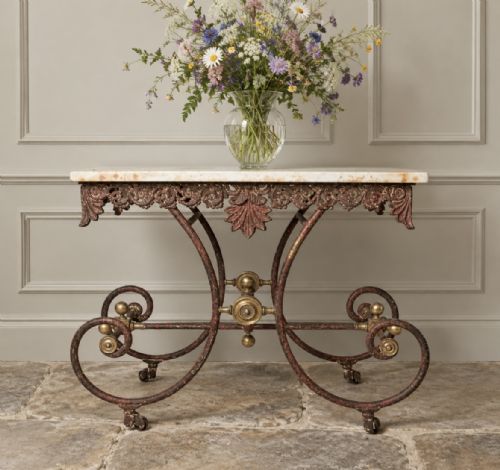
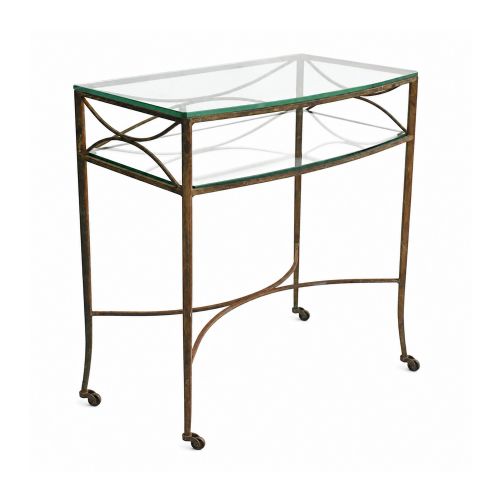
An industrial side table brings robust utility and utilitarian character into a room, combining heavy metal framework with timber or marble surfaces.
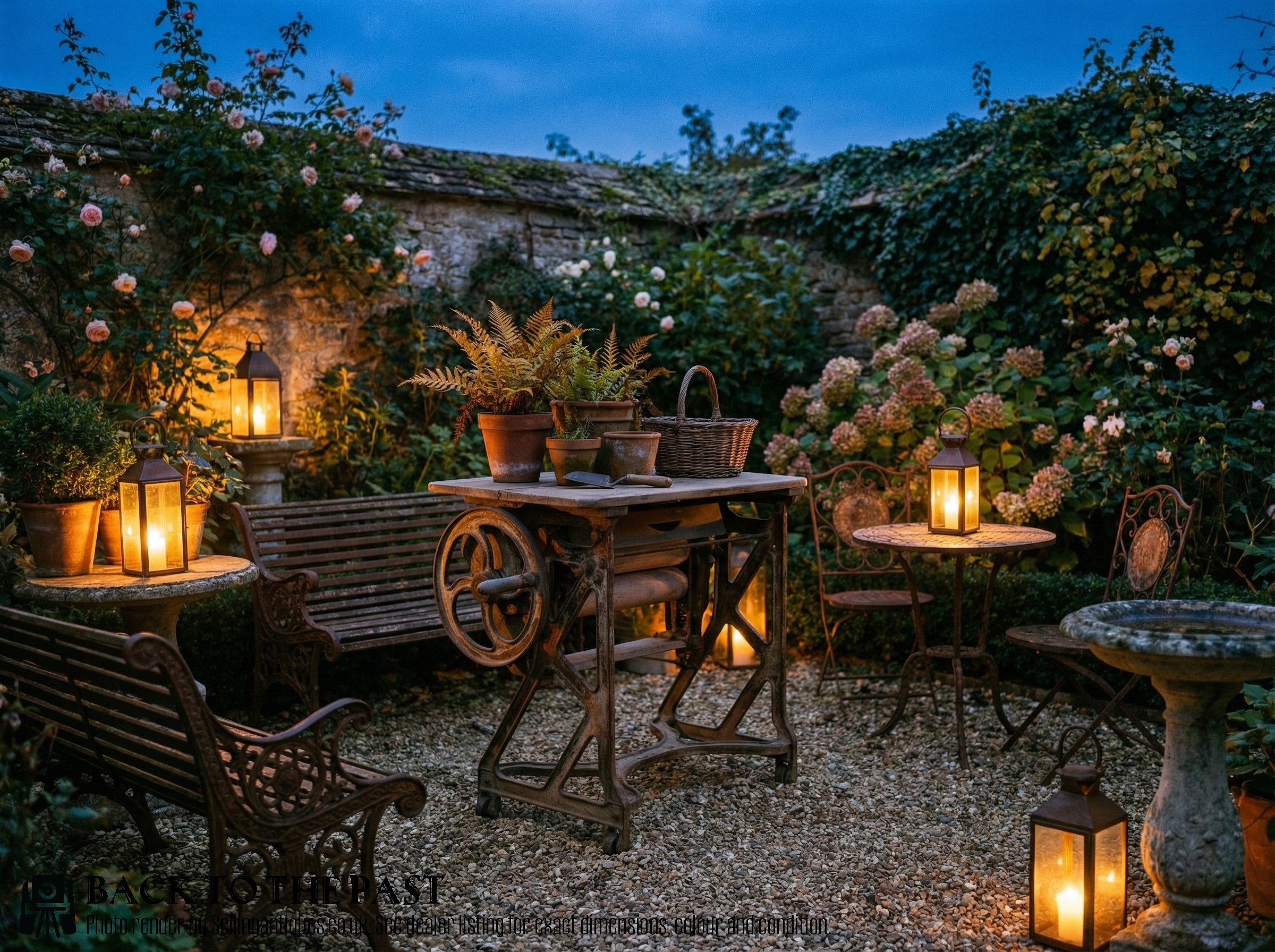
Industrial Side Table
When searching for an industrial side table, a buyer encounters forms derived from nineteenth and early twentieth-century workshops, pubs, and commercial spaces.
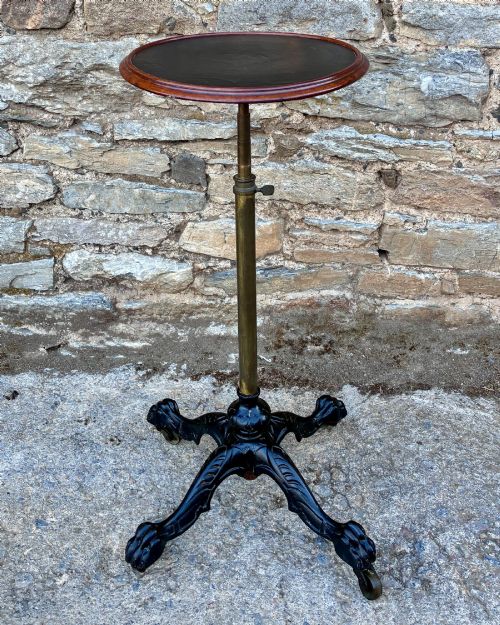
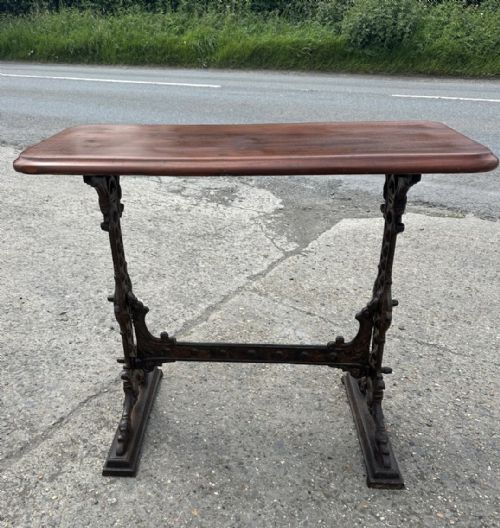
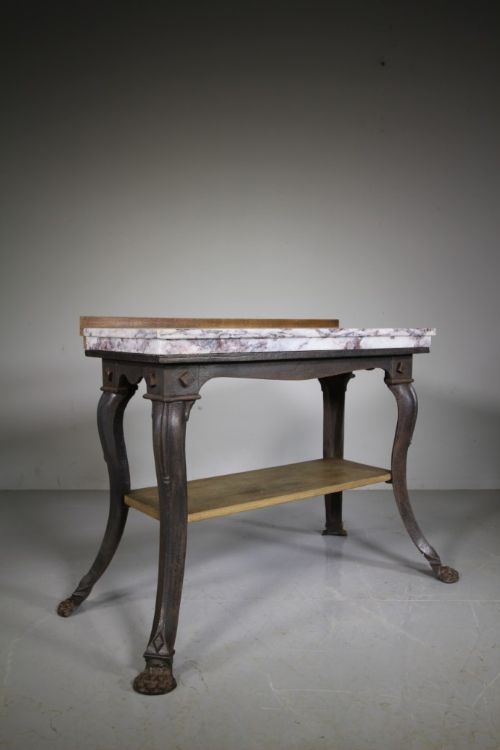
The version most commonly met on this page pairs a cast iron or steel base with a wooden or marble top, originating from periods spanning the Victorian era through the 1930s.
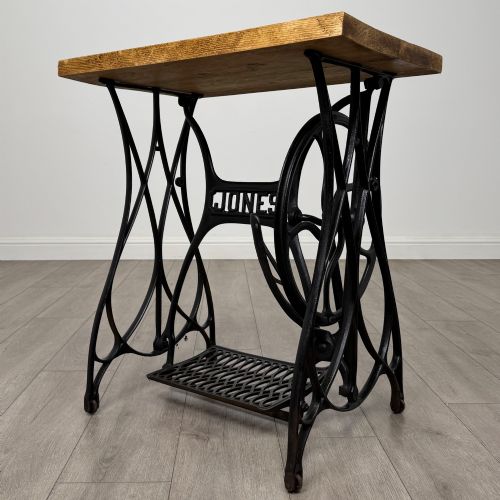
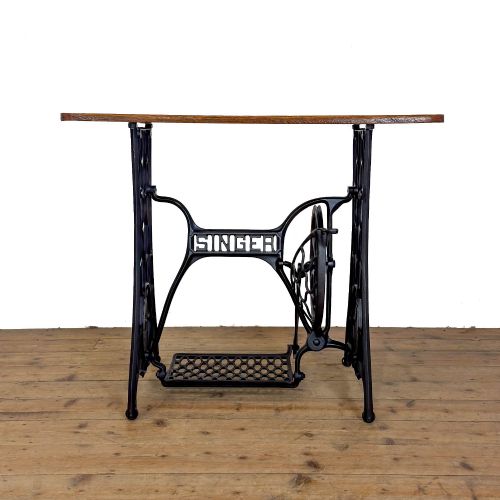
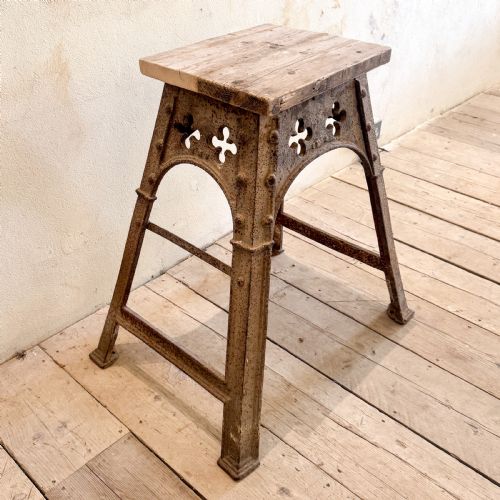
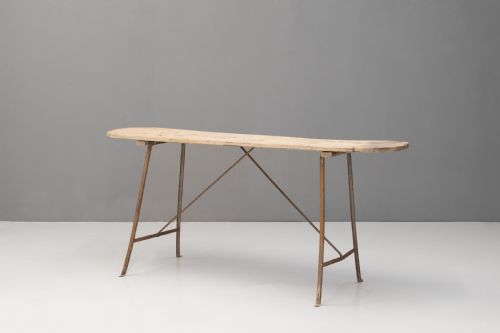
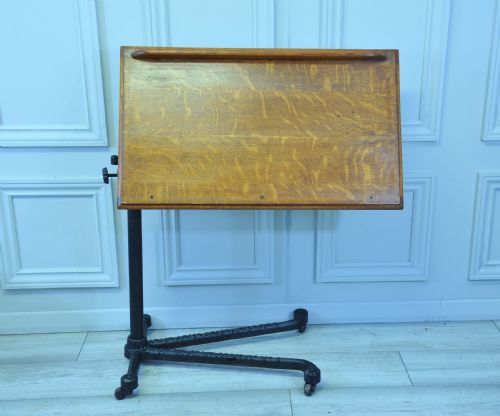
These pieces encompass diverse functional types including pub tables, console tables, wash stands, and repurposed machine bases.
Materials and construction methods
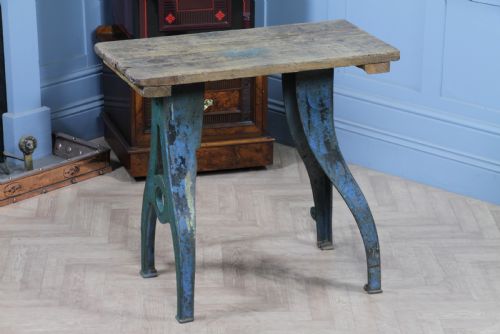
Construction relies heavily on durable metals such as cast iron and wrought iron, frequently formed into elaborate machine bases or sturdy three-legged Britannia frames.
Tops are fashioned from dense timbers like oak, pine, and mahogany, or fitted with smooth marble slabs for functional workspace resilience.
Assembly techniques combine bolted metal components with heavy timber joints, designed to withstand rigorous commercial and industrial use.
Several tables started life as heavy laundry mangles before finding a gentler retirement supporting afternoon tea and lamps.
Determinants of quality
Quality rests upon the integrity of the original casting work, where crisp lettering and intricate patterns on iron bases distinguish superior examples from plain utility pieces.
The relationship between the base and its surface matters greatly, with period-matching timber or original marble slabs commanding higher regard than later replacements.
Tanns Defiance London·Carters Of London·Singer
The Industrial Side Table Glossary
- Cast iron
- A strong, hard alloy of iron and carbon poured into moulds to create rigid machine bases and ornate pub table supports.
- Britannia
- A specific style of heavy cast iron pub table base featuring a seated figure of Britannia, popular during the Victorian period.
- Up-cycled
- The adaptation of an older industrial mechanism or base, such as a sewing machine or mangle, to serve as the support for a new table top.
- Trestle table
- A table supported by side assemblies consisting of two or more upright posts connected by a horizontal beam.
Industrial Side Table: Frequently Asked Questions
What defines an industrial side table?
An industrial side table combines utilitarian metal framing, such as cast iron machine bases or iron supports, with wooden or marble surfaces.
These pieces originate from commercial, agricultural, and domestic contexts dating from the nineteenth and early twentieth centuries.
How were these tables originally used?
Many examples began as functional furniture in commercial environments, including public houses, bakeries, butcher shops, and textile workshops.
Others utilised heavy mechanisms from sewing machines or mangles before being adapted into domestic side and console tables.
Are the table tops original to the bases?
Some pieces retain their original timber or marble tops, showing natural wear appropriate to their utilitarian history.
Other listings feature period bases paired with reclaimed pine or replacement tops suited to modern domestic use.
How do I identify the period of an iron base?
Dating relies upon stylistic markers in the iron casting, the complexity of the pedestal design, and associated manufacturing patents or maker inscriptions.
Victorian and Edwardian examples often display more ornate detailing than later twentieth-century industrial forms.