




Industrial Shop Sign
An industrial shop sign brings robust commercial heritage directly into modern interiors through authentic trade graphics and resilient materials.
Industrial Shop Sign
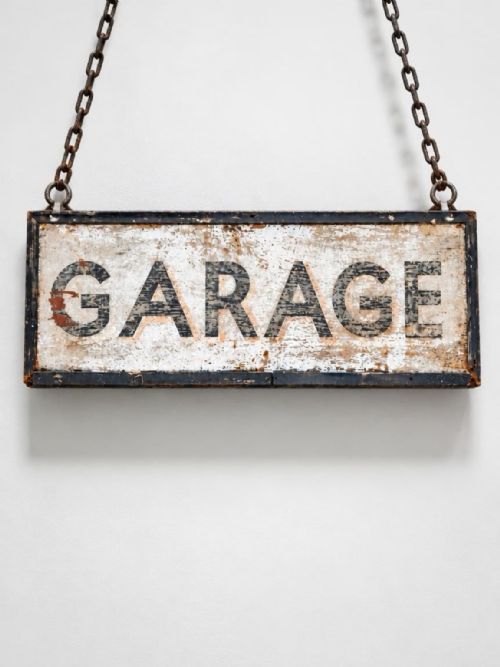
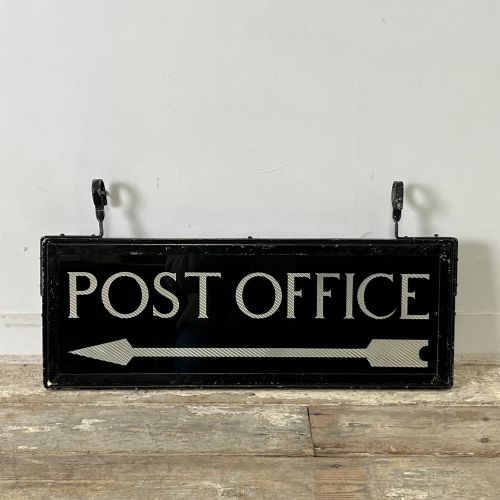
An industrial shop sign encompasses trade signs, wall signage, and advertising pieces originating from the Edwardian era through to the mid-twentieth century. Buyers searching for an industrial shop sign encounter durable double-sided glass directions, pictorial enamel advertising pieces, and hand-painted wooden boards.
Most examples hail from the 1900s, 1920s, and 1930s, reflecting active high streets, post offices, and tradesmen from Britain and France. Common configurations include wall-mounted displays, locksmith boards, and projecting timepieces designed to catch the eye of passing pedestrians.
Construction and materials
Makers utilised vitreous enamel fused onto sheet metal to create resilient advertising boards capable of withstanding decades of outdoor exposure. Iron, brass, and copper provided structural rigidity for hanging brackets, frames, and double-sided housings.
Glass panels were reverse-painted or etched for directional post office and trade signs, while other pieces combined oil paint directly onto prepared wooden boards and wrought iron.
Industrial Shop Sign Retail Price Guide 2026
Typical asking prices for industrial shop sign among the pieces listed under this phrase on Sellingantiques today, from the lower quarter to the upper quarter. They describe what is for sale here now, not the wider market.
Judging quality and character
Quality rests in the legibility of the typography, the depth of original paint, and the integrity of the vitreous enamel surface. Superior pieces retain crisp lettering and authentic mounting hardware without modern restoration masking their age.
The complexity of the object shape, such as pictorial elements or double-sided projection clocks, distinguishes standard wall plaques from exceptional trade artefacts.
Gerwin and Co Birmingham·Josef Herzog Jewellery Shop
The Industrial Shop Sign Glossary
- Vitreous enamel
- Glass powder fused to a metal substrate at high temperature. This creates a hard, glossy surface impervious to weather.
- Pictorial enamel
- An advertising sign featuring graphic illustrations rather than text alone. These pieces often depict specific goods or branded merchandise.
- Trade sign
- A board or object hung outside a business to indicate the trade practised within. They rely on clear symbols or lettering.
- Double sided sign
- A projecting sign designed to be read from two directions along a street. These usually require specialised iron brackets.
Industrial Shop Sign: Frequently Asked Questions
How do I hang an industrial shop sign?
Most heavy iron and enamel pieces require solid wall anchors or brick fixings to support their weight safely. Projecting double-sided signs need sturdy brackets attached to timber studs or masonry.
Ensure the hanging height suits eye-level viewing in domestic spaces, as these were originally designed for bustling street levels.
Were these signs meant for outdoor use?
Yes, materials like vitreous enamel and wrought iron were specifically chosen to endure harsh weather on high street shop fronts. This exterior resilience means they survive well in modern gardens or covered outdoor seating areas.
Glass and painted wooden panels prefer sheltered indoor placement to prevent moisture degradation.
How do I clean enamel advertising signs?
Warm water and mild soap applied with a soft cloth will safely remove decades of accumulated indoor dust. Avoid abrasive scourers or harsh chemical solvents that can dull the glossy enamel surface or lift original paint.
Patina and light scratching are part of the history, so heavy restoration is rarely recommended.
What periods do these signs date from?
The available selection spans from the Edwardian period through the 1920s, 1930s, and into the mid-twentieth century. Earlier examples often feature hand-painted wood and wrought iron, while later decades favoured mass-produced vitreous enamel.
Typography and framing styles generally offer the clearest clues to a sign's specific decade of manufacture.