



Hanging Metal Trade Sign
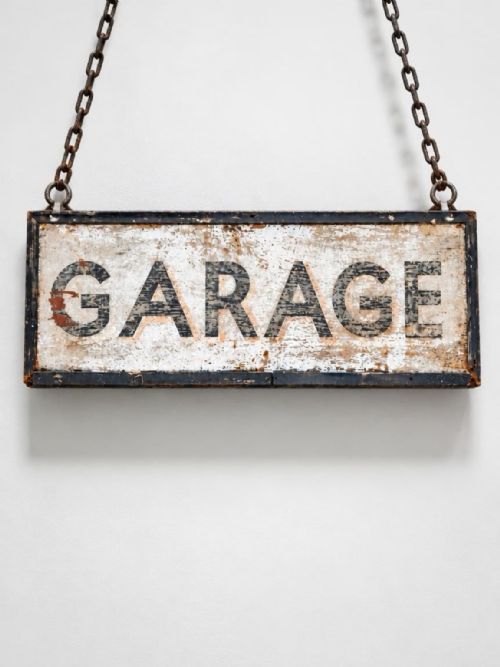
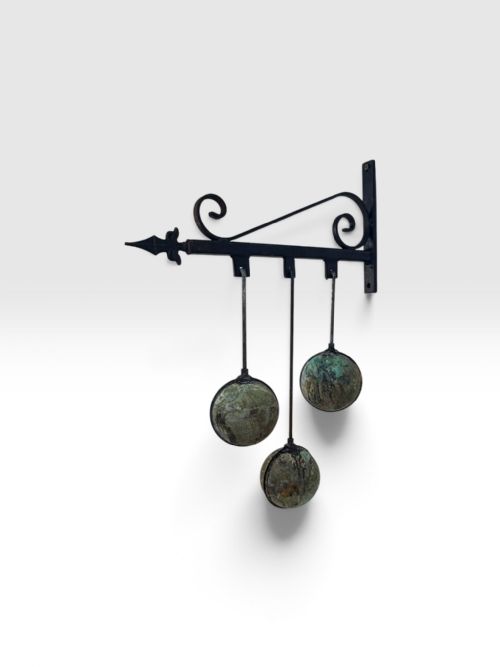
A hanging metal trade sign brings authentic street-level history into a space with its robust materials and hand-painted commercial forms.
Hanging Metal Trade Sign
A hanging metal trade sign represents functional commercial heritage, spanning pub signs, chemist signs, and specialist trade markers from the late Victorian period through the Edwardian era and into the early twentieth century. These objects served to advertise specific professions directly to the street, utilising distinct shapes like pocket watches, boots, and specialist lettering.
Materials and construction
These items rely heavily on durable base metals such as iron, wrought iron, sheet iron, copper, and sheet metal, chosen for their ability to withstand outdoor exposure. Craftsmen shaped these metals into structural brackets and decorative bodies, often combining them with glass or applying layered paint finishes to create legible, resilient advertisements.
Surface treatment forms a core part of the construction, utilising applied paint and gilt metal to detail lettering and pictorial elements like the three balls of a pawnbroker or the hands of a pocket watch. The integration of structural ironwork with hand-painted sheet metal defines the physical presence of these survivals.
Hanging Metal Trade Sign Retail Price Guide 2026
Typical asking prices for hanging metal trade sign among the pieces listed under this phrase on Sellingantiques today, from the lower quarter to the upper quarter. They describe what is for sale here now, not the wider market.
The inventory records traditional British pub signs alongside French industrial painter and pharmacy markers.
Assessing quality in metal trade signage
Quality rests in the originality of the hand-painted surfaces and the integrity of the metalwork, where crisp lettering and untouched layers of early paint distinguish superior examples from later repainted pieces. The sophistication of the original form, such as the sculptural modelling of a pocket watch or a boot, dictates the visual impact.
The robustness of the surviving brackets and the clarity of the commercial iconography also divide standard utility items from finer works of folk art and industrial design. Original double-sided execution and authentic weathering provide markers of genuine period use.
Josef Herzog Jewellery Shop
The Hanging Metal Trade Sign Glossary
- Wrought iron
- Iron that has been heated and worked with tools, known for its fibrous structure and durability in exterior brackets and hanging mounts.
- Gilt metal
- Metal decorated with a thin layer of gold leaf or gilt paint, utilised to highlight lettering and details on commercial signage.
- Sheet iron
- Thinly rolled iron plates easily cut and shaped into flat or curved sign bodies.
- Folk art
- Utilitarian or decorative objects created by self-taught or traditional craftsmen, frequently seen in the idiosyncratic modelling of trade symbols.
- Architectural salvage
- Building elements and attached fixtures recovered from demolition or renovation, preserving historical street furniture.
Hanging Metal Trade Sign: Frequently Asked Questions
What is a hanging metal trade sign?
A hanging metal trade sign is a commercial marker made from iron, copper, or sheet metal, designed to project outward from a building facade to advertise a specific shop or trade.
These objects include pub signs, chemist markers, and pawnbroker symbols created during the late nineteenth and early twentieth centuries.
How were these signs mounted?
These signs were typically suspended from dedicated iron brackets fixed directly to exterior brickwork or timber shopfronts, allowing them to swing freely in the wind.
This placement ensured maximum visibility for pedestrians walking along the street.
How do I date an antique sign?
Dating relies on examining the specific materials, the style of the hand-painted lettering, and the construction methods used in the metal body and brackets.
Late Victorian and Edwardian examples often feature specific typographic styles and forged iron components typical of the period around nineteen hundred to nineteen twenty.
Are these signs double sided?
Many examples are double sided, particularly those shaped like pocket watches or specific trade symbols, allowing the advertisement to be read from both directions down the street.
Single sided variants were generally designed to mount flat against a wall or face a specific direction on a corner.