



Antique Metal Hanging Sign
An antique metal hanging sign brings genuine historic character to a doorway or facade.
Antique Metal Hanging Sign
An antique metal hanging sign represents the practical street furniture and trade markers of past commerce. When searching for an antique metal hanging sign, a buyer encounters trade signs, wall signage, pub signs, and architectural brackets spanning the late nineteenth century and the early twentieth century.
The most common examples on this page date from the Edwardian era and the nineteen-twenties, often taking the literal shape of the trade they advertised. Pieces range from large iron pub signs and double-sided chemist markers to intricate copper pawnbroker symbols and sheet metal silhouettes.
Makers fashioned these markers to catch the eye of passing foot traffic along busy streets and village lanes. Surviving items combine utility with folk art charm, reflecting local trades from French painters to English pharmacies.
Materials and construction
Makers utilised durable base materials such as iron, wrought iron, sheet iron, copper, and general sheet metal to withstand outdoor elements. These metals were beaten, cast, or cut into specific silhouettes like pocket watches, horses, or pawnbroker globes.
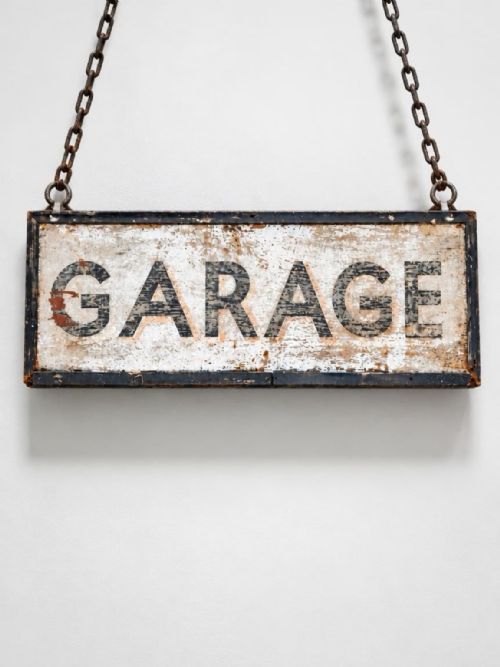
Surfaces were frequently finished with hand-painted lettering and details directly onto the metal or glass elements. Robust iron sign brackets provided the necessary structural support for mounting these heavy swinging markers to building facades.
Antique Metal Hanging Sign Retail Price Guide 2026
Typical asking prices for metal hanging sign among the pieces listed under this phrase on Sellingantiques today, from the lower quarter to the upper quarter. They describe what is for sale here now, not the wider market.
Listings feature items predominantly from the Edwardian era and the nineteen-twenties, alongside late nineteenth-century examples.
Quality and character
Quality in these pieces rests upon the clarity of the original trade symbolism and the integrity of the surviving surface paint. Sculptural form plays a major role, with literal shapes like galloping horses or oversized pocket watches showing greater artistic ambition than plain boards.
The degree of honest weathering and patination distinguishes superior examples from lesser items. Original brackets and double-sided execution also elevate a piece, preserving the complete object as it hung outside the historic shopfront.
Josef Herzog Jewellery Shop
The Antique Metal Hanging Sign Glossary
- Trade sign
- A marker hung outside a shop or business to indicate the trade carried out within. These often took literal three-dimensional shapes related to the goods sold.
- Wrought iron
- Iron that has been heated and shaped with tools by a blacksmith. This material provides the strong brackets and frames necessary for supporting heavy hanging markers.
- Sheet metal
- Thin metal formed into flat pieces that could be easily cut into silhouettes. It was commonly utilised for pictorial trade signs like horses and pocket watches.
- Armorial plaque
- A decorative wall plaque bearing heraldic designs or coats of arms. Examples often use cast iron to display civic or traditional symbols.
- Pawnbroker sign
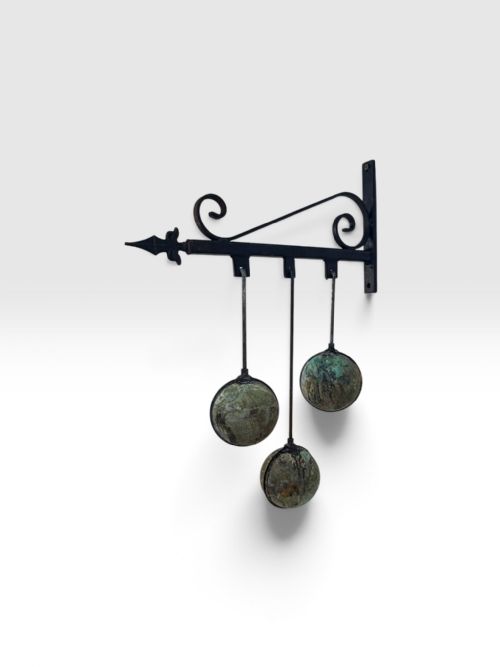
- A traditional trade marker featuring three spheres, historically associated with lending money. Copper and iron versions hung above nineteenth and twentieth-century establishments.
Antique Metal Hanging Sign: Frequently Asked Questions
How were these signs mounted originally?
Historic trade markers required sturdy iron brackets bolted securely into exterior brickwork or timber beams. This allowed the heavy metal body to project outward over the pavement for maximum visibility.
The swinging motion helped catch the attention of pedestrians approaching from either direction along the street.
What trades do these signs represent?
Surviving examples advertise a wide variety of historical professions and local businesses. Common trades include pharmacies, pawnbrokers, jewellers, and painters.
Pictorial symbols like pocket watches, horses, and boots communicated services instantly to an often literate or semi-literate public.
Are these signs suitable for outdoor display?
Most of these pieces spent decades exposed to rain, wind, and sun as exterior storefront markers. Their metal construction and painted surfaces are inherently weather-resistant.
However, modern owners often display them indoors or under sheltered porches to preserve fragile historic paint and prevent further corrosion.
How do I date an iron sign?
Dating relies on stylistic clues, manufacturing techniques, and the specific typeface used for lettering. Edwardian and nineteen-twenties pieces often feature distinct industrial forms and bracket designs.
Material choices, such as early sheet metal versus later cast elements, also help narrow down the period of production.