



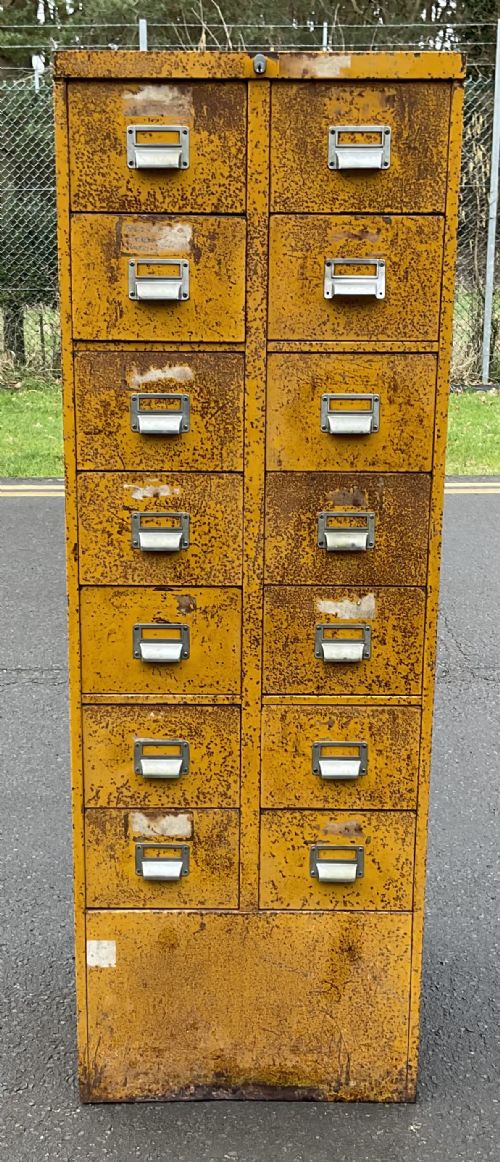
Industrial Metal Cabinet
An industrial metal cabinet brings utilitarian strength and honest construction into a room, offering robust storage built to last.
Industrial Metal Cabinet
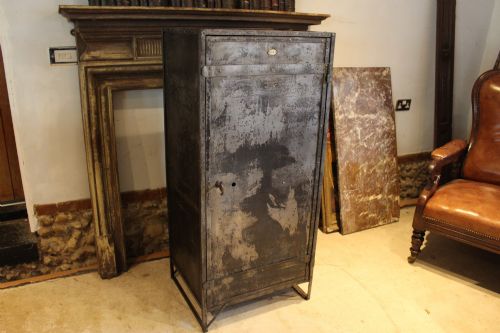
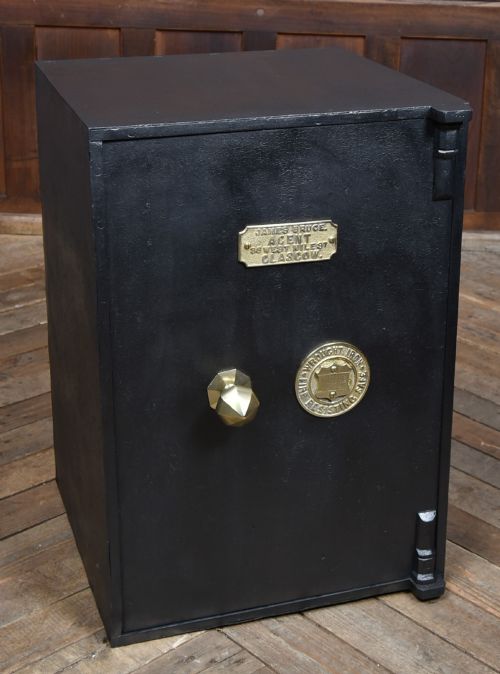
An industrial metal cabinet encompasses heavy-duty storage solutions ranging from Victorian and Edwardian filing chests to French workshop cupboards and steel safes.
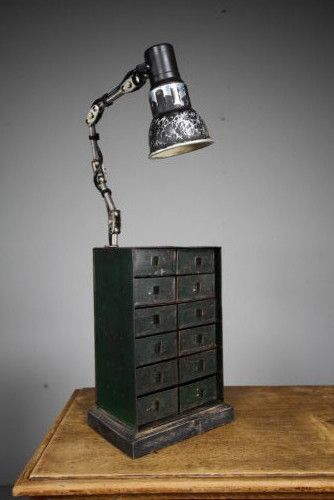
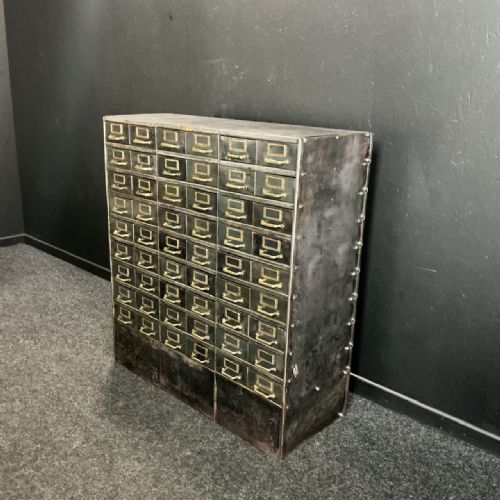
When searching for an industrial metal cabinet, buyers encounter diverse forms such as banks of drawers, medical storage, jewellers chests, and glazed display units originating from the nineteenth and early twentieth centuries.
These pieces originate from commercial, medical, and domestic workshops across Britain, France, Denmark, and Scotland, reflecting practical working environments.
How they were made
Construction relies heavily on durable metals like steel, cast iron, wrought iron, and sheet metal, often assembled with exposed fixings and structural bracing.
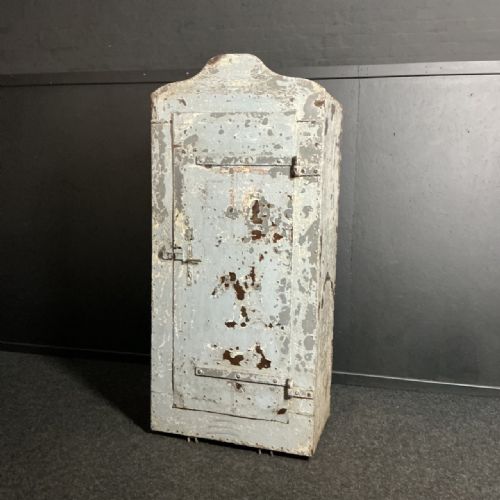
Surfaces frequently retain original painted finishes, polished steel surfaces, or distressed patination acquired through decades of working life.
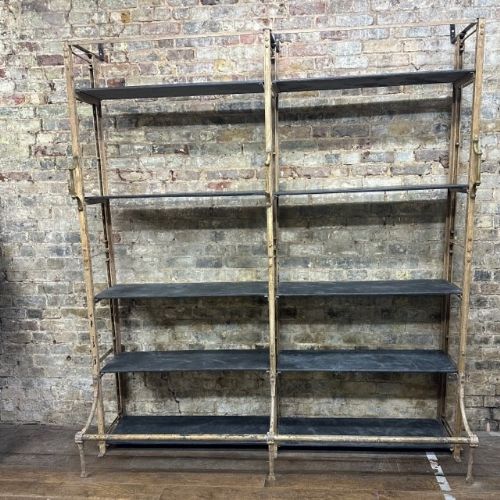
Glazed panels, brass hardware, and slate shelving integrate with the primary metal structures to provide function and security.
Listings feature items from the 19th Century, 1900, 1910, 1920, and 1930, constructed from steel, brass, iron, and glass.
What varies in quality
Quality rests in the integrity of the original construction, the thickness and grade of the metal used, and the survival of authentic maker details or operational mechanisms.
The preservation of original surface patination, such as remnants of early paint or polished steel, distinguishes honest surviving examples from later alterations.
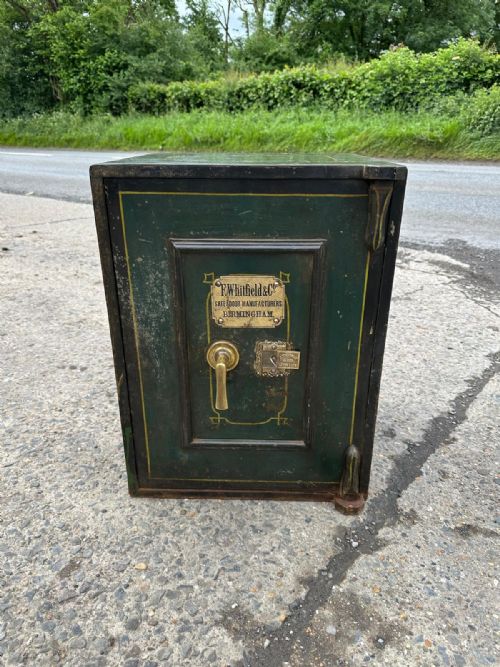
James Bruce·F. Whitfield Co.
The Industrial Metal Cabinet Glossary
- Patina
- The surface appearance and texture developed through age, wear, and cleaning. This quality indicates the authentic history of a metal object.
- Safe
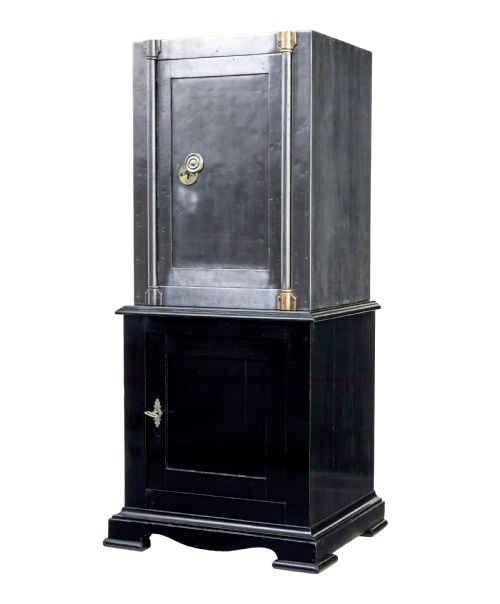
- A secure storage container constructed from heavy iron or steel designed to protect valuables. These often feature specialised locking mechanisms and maker plaques.
- Filing Cabinet
- A piece of office furniture designed to organise documents in drawers. Early versions utilise robust steel construction for heavy daily use.
- Wrought iron
- Iron that has been heated and shaped with tools rather than cast in a mould. This material provides strong, fibrous structural elements.
Industrial Metal Cabinet: Frequently Asked Questions
What is an industrial metal cabinet?
An industrial metal cabinet is a heavy-duty storage piece originally built for factories, offices, medical facilities, or workshops during the nineteenth and early twentieth centuries. These units utilise robust materials like steel, iron, and sheet metal to withstand rigorous daily use.
Today, buyers use these cabinets in modern interiors to provide practical storage while introducing strong architectural character and honest materials to a room.
How do I date an industrial metal cabinet?
Dating these cabinets involves examining the construction techniques, hardware, and materials used in their manufacture. Pieces from the nineteenth century often feature heavy cast iron or wrought iron elements, while later 1920s and 1930s examples introduce streamlined steel and aluminium forms.
Maker plaques, patent numbers, and specific locking mechanisms also help establish a more precise period of origin for safes and specialist chests.
Are these cabinets suitable for home use?
These cabinets suit contemporary living spaces very well, offering exceptional storage capacity for kitchens, living rooms, and home offices. Their durable metal construction ensures they easily handle modern daily demands.
Placing a steel cupboard or drawer unit into a room adds a distinct textural contrast against softer home furnishings and traditional plaster walls.
How do I care for metal surfaces?
Caring for antique metal furniture involves keeping surfaces clean and dry to preserve the existing finish and prevent active corrosion. Regular dusting with a soft cloth maintains the condition of painted, polished, or distressed steel.
Applying a light microcrystalline wax can help protect exposed iron and steel surfaces without altering the authentic historic appearance.