



Industrial Iron Side Table
An industrial iron side table brings robust utility and utilitarian character into a room through heavy metal bases and timber or stone surfaces.
Industrial Iron Side Table
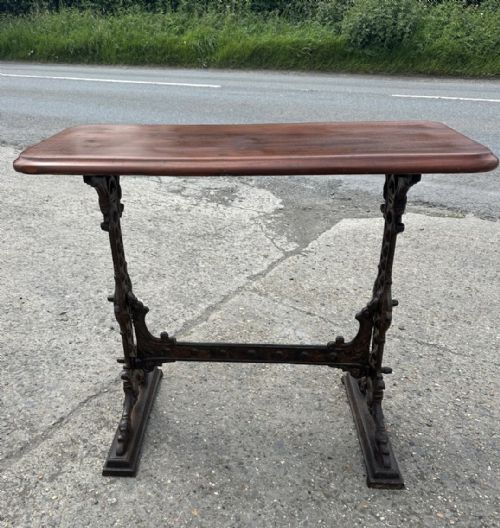
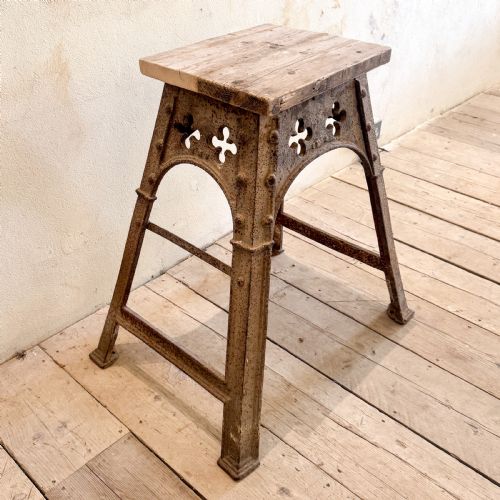
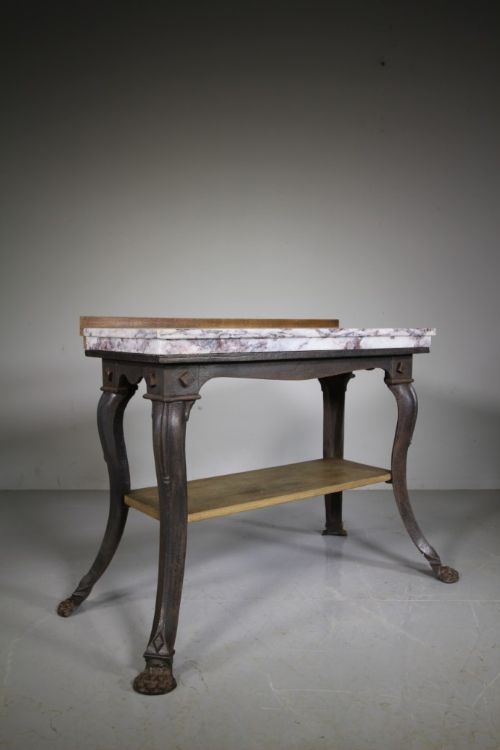
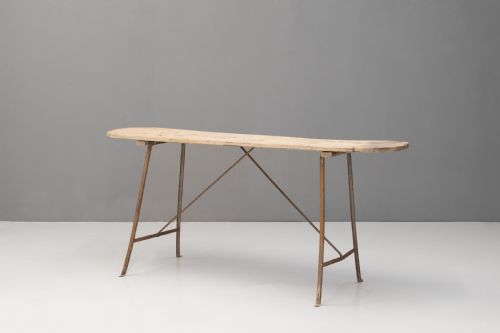
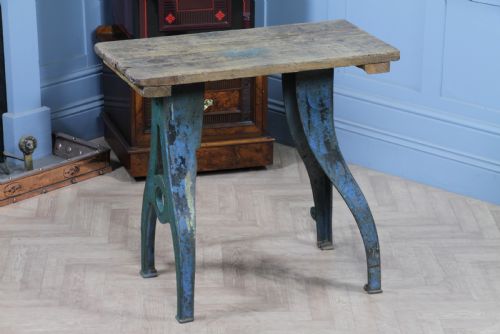
When you search for an industrial iron side table, you encounter practical furniture born from commercial, trade and domestic origins across the nineteenth and twentieth centuries. The selection spans Victorian pub tables, early twentieth-century console tables, French bistro designs and up-cycled machine bases.
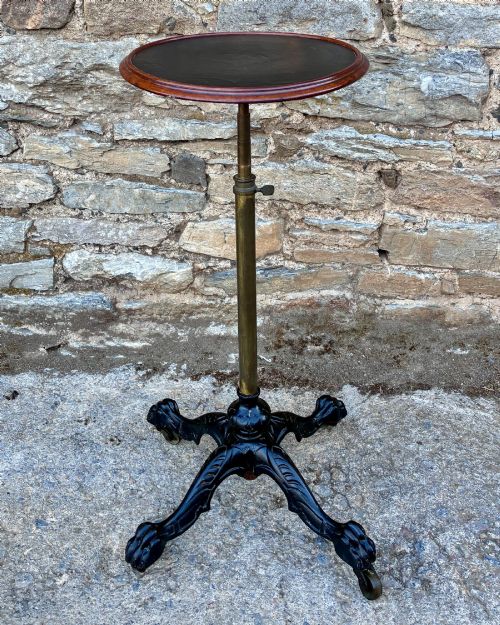
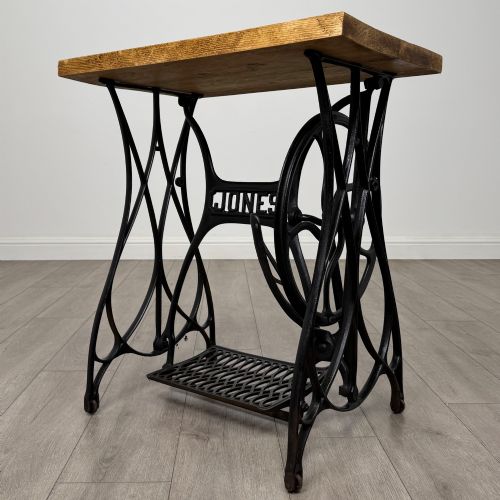
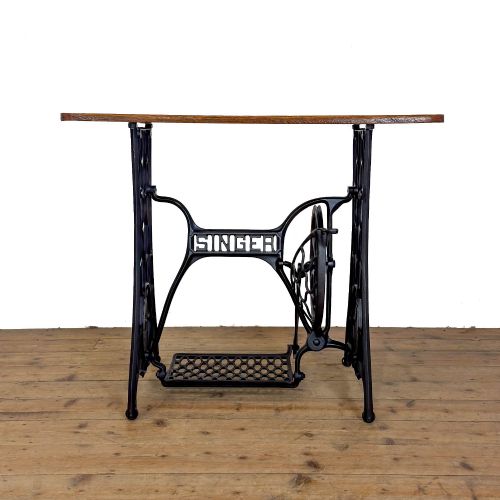
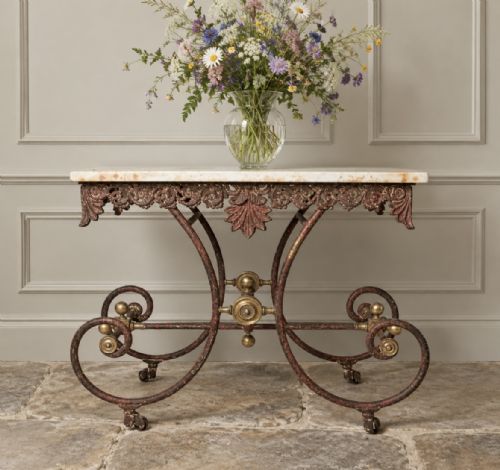
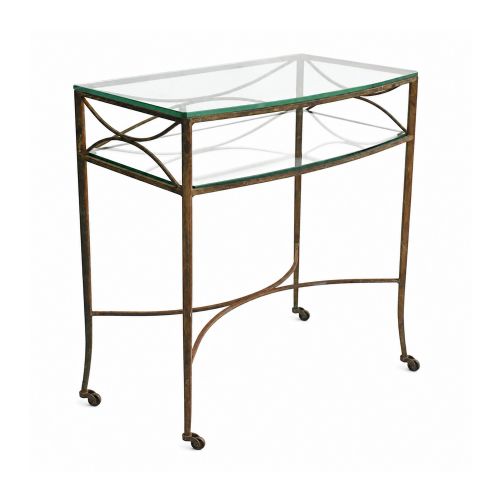
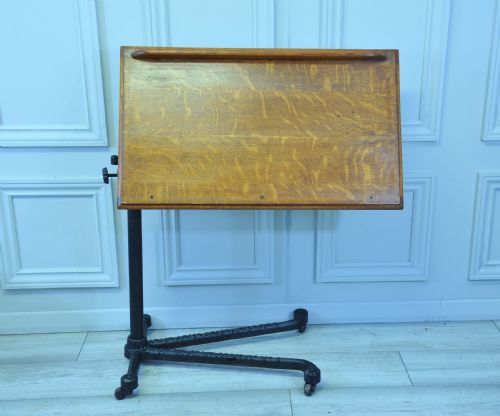
Pub tables and garden tables dominate the offerings alongside adjustable display stands and sewing machine bases. These pieces combine cast iron or steel frames with pine, oak, mahogany or marble tops to create sturdy surfaces suited to modern interiors.
Construction and materials
Makers utilised durable metals for the structural bases, employing cast iron, wrought iron and steel to ensure stability and strength. These metal components frequently feature moulded details, maker markings or folding mechanisms.
Wooden and stone elements complete the construction, utilising pine, oak and natural timber alongside polished marble slabs. Tops are secured directly to the metal frames, combining industrial foundry work with traditional carpentry or masonry.
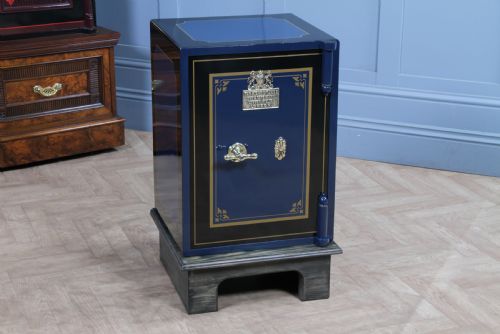
Object types range from pub tables and garden furniture to sewing machine bases, display stands and console tables.
Assessing quality and character
Quality rests in the integrity of the original construction and the harmony between the metal base and its surface. Pieces featuring genuine period tops paired with marked ironwork demonstrate superior authenticity compared to later adaptations.
The degree of preservation in the metal patination and the timber grain defines the visual appeal. Original painted surfaces or patinated cast iron command greater appreciation than heavily altered or stripped examples.
Carters Of London·Tanns Defiance London·Singer
The Industrial Iron Side Table Glossary
- Cast iron
- A strong, hard iron-carbon alloy poured into moulds to create intricate bases and sturdy furniture frames. This material defined nineteenth-century industrial manufacturing.
- Britannia
- A specific style of heavy cast-iron pub table base featuring figural or classical motifs. These tables were widely utilised in British taverns.
- Up-cycled
- The adaptation of functional industrial machinery or commercial equipment, such as sewing machine bases, into domestic furniture. This practice gives redundant mechanisms a secondary purpose.
- Patina
- The surface sheen and colour acquired by materials through age, wear and regular use. A good patina indicates genuine period character.
- Console table
- A long, narrow table designed to stand against a wall. These pieces function as display or hallway surfaces.
Industrial Iron Side Table: Frequently Asked Questions
How do I identify an authentic industrial iron table?
Examine the construction methods, joint work and metal casting quality to determine period authenticity. Genuine examples often display foundry marks, honest wear and appropriate patination across the iron and timber.
Compare the proportions and materials against known nineteenth and twentieth-century commercial designs. Altered pieces or later reproductions generally lack the integrated wear patterns found on genuine working tables.
Where were these iron tables originally used?
Many tables served utilitarian roles in public houses, trade workshops, bakeries, gardens and textile production. Pub tables, garden furniture and sewing machine stands formed the backbone of everyday commercial environments.
Their robust construction allowed them to withstand heavy daily use. Over time, these commercial survivors transitioned naturally into domestic interiors as side and console tables.
Can I use an iron garden table indoors?
Iron and timber tables designed for outdoor or garden use adapt easily to indoor living spaces. Their durable metal frames and sturdy wood or stone tops provide practical surfaces for hallways, kitchens and living rooms.
Ensure the feet are padded to protect indoor flooring from heavy metal bases. Regular cleaning maintains the condition of both the ironwork and the natural timber or marble surfaces.
How do I care for marble and iron side tables?
Clean the cast iron and steel elements gently with a dry or slightly damp cloth to preserve the original surface. Avoid harsh chemical cleaners that might strip the historic patination from the metal.
Treat marble and timber tops according to their specific material needs, using appropriate stone sealants or furniture waxes. Regular maintenance protects the surface from stains while respecting the age of the piece.