




Industrial Drawer Unit
An industrial drawer unit brings utilitarian strength and honest storage to a room, offering practical depth for any modern interior.
Industrial Drawer Unit
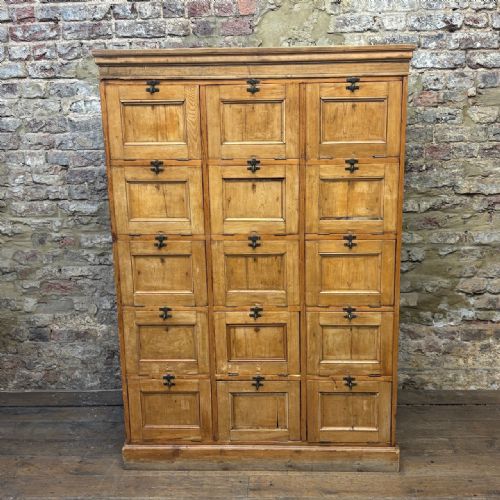
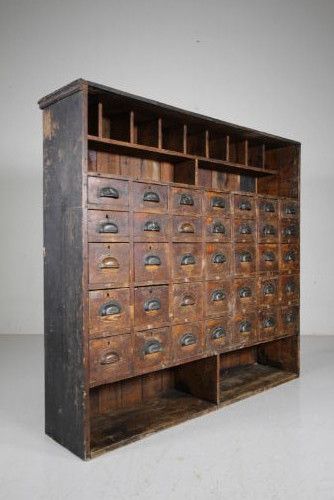
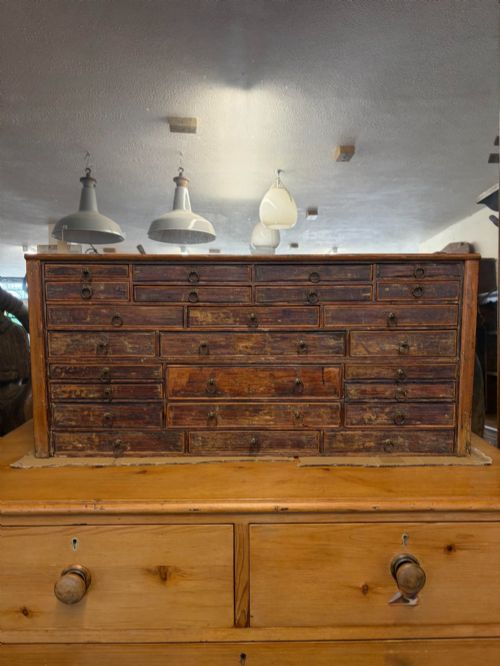
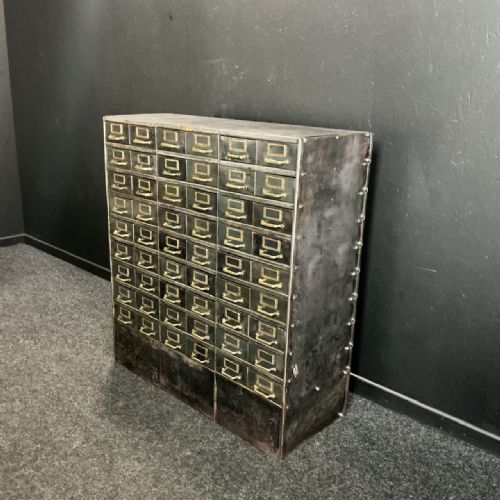
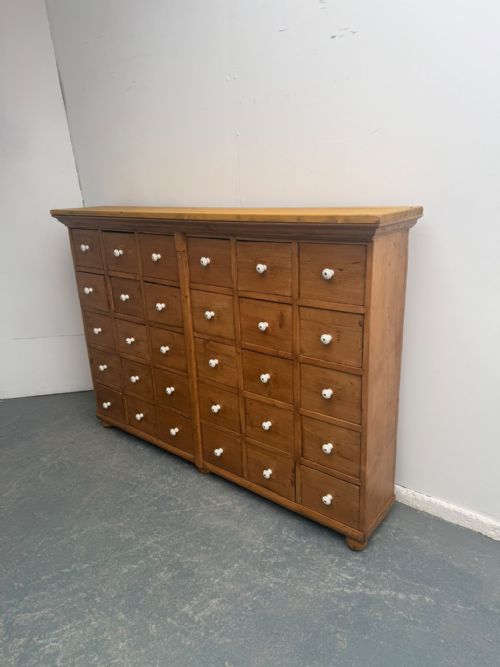
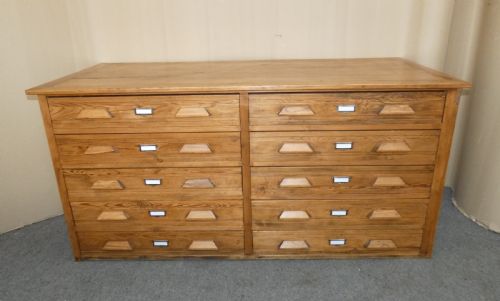
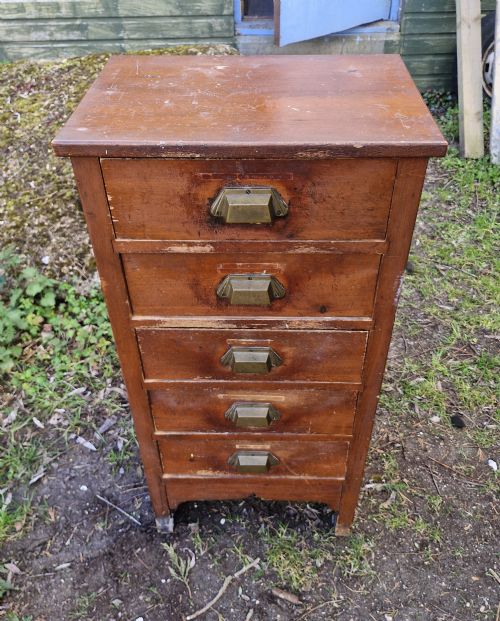
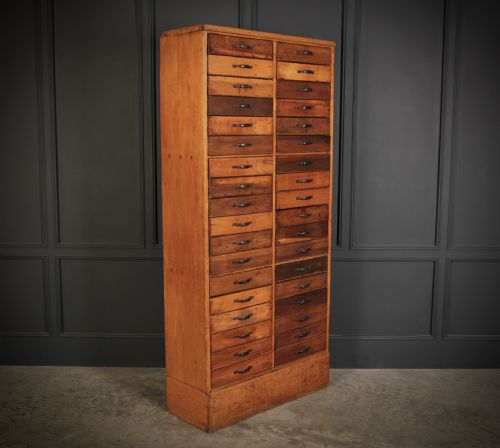
An industrial drawer unit is a robust storage piece built for commercial, trade or workshop use, designed to withstand heavy daily demands. When searching for an industrial drawer unit, buyers encounter banks of drawers, plan chests, filing cabinets, and haberdashery cabinets spanning the Victorian period through to the mid-twentieth century.
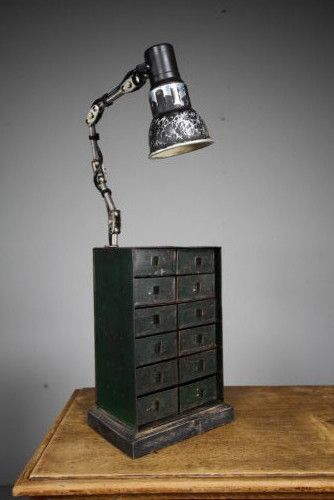
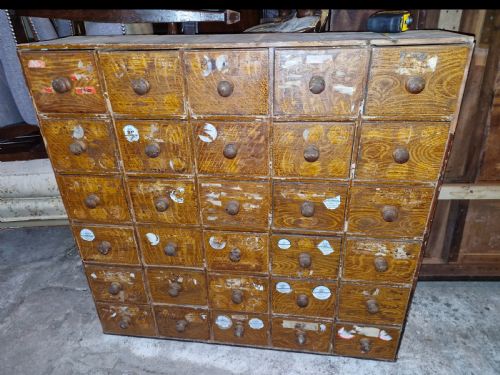
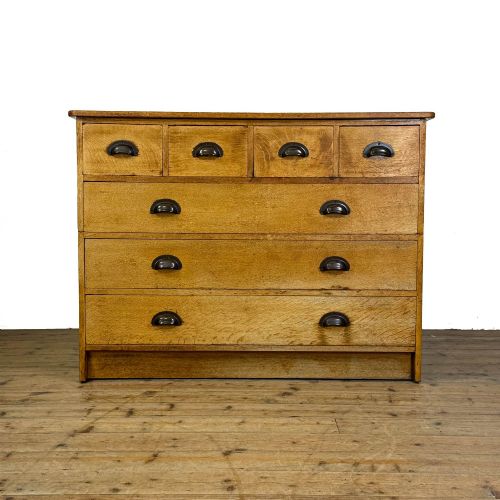
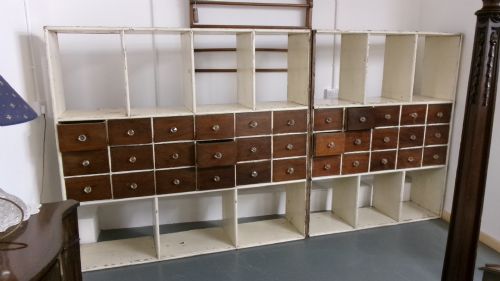
The selections on this page predominantly feature functional wooden and metal storage forms originating from British and European workshops, chemists, offices, and ironmongers. Common configurations include multi-drawer banks in pine and oak, alongside tall metal chests and specialised filing systems.
These items transition easily from workspace utility to domestic focal points, providing substantial compartmentalised storage without sacrificing character. Each piece retains the marks of its working past, whether through numbered drawer fronts or original trade labelling.
How they were made
Makers constructed these pieces using durable domestic hardwoods and softwoods such as pine, oak, and fruitwood, frequently pairing them with cast iron, steel, and brass hardware. Solid timber frames house numerous individual drawers built to endure heavy contents, while metal variants utilise riveted sheet iron and steel.
Hardware and fastening methods dictate the structural integrity, employing robust dovetail joints for wooden carcases and durable cast metal pulls or handles. Original fittings like brass label holders, patent locking mechanisms, and cast iron bases remain integral to the construction of these storage pieces.
The listings on this page span the 19th Century, Victorian, Edwardian, and 1930s periods, incorporating pine, oak, iron, brass, and steel.
What varies in quality
The distinction between standard utility items and exceptional survivals rests in the scale of the piece, the complexity of its drawer configuration, and the intactness of original hardware. Larger banks featuring twenty or more matching drawers command greater interest due to their imposing presence and sheer storage capacity.
Preservation of original surfaces, such as untouched painted finishes on metal or natural patination on pine and oak, elevates the standing of a piece. Retaining maker marks, patent plates, or specific shop provenance further distinguishes superior examples from standard workshop furniture.
Luxmore's of Ilfracombe·Trussant & Cie
The Industrial Drawer Unit Glossary
- Bank of Drawers
- A large cabinet containing a high density of small or medium drawers, originally designed for commerce, trade or office administration. These units often feature dozens of individual compartments.
- Plan Chest
- A wide, shallow set of drawers engineered specifically for storing architectural drawings, maps, or large sheets of paper flat. They are predominantly constructed in timber with multiple wide pulls.
- Haberdashery Cabinet
- A glass-fronted or multi-drawer display and storage unit once utilised in drapers and outfitters shops to organise small clothing items, ribbons, and sewing goods. The drawers frequently incorporate glass fronts or brass pulls.
- Dovetail Joint
- A traditional interlocking woodworking joint formed by interlocking wedges, known for resisting tensile pull and providing permanent strength to drawer corners.
- Patent Cabinet
- A storage unit incorporating a specific mechanical locking or indexing system protected by a period patent, designed to improve office filing efficiency.
Industrial Drawer Unit: Frequently Asked Questions
What rooms suit an industrial drawer unit?
These versatile storage pieces fit seamlessly into kitchens, home offices, and living spaces where practical surface area and substantial organisation are required.
Their robust timber and metal construction anchors a room, contrasting effectively with softer modern furnishings.
How do I care for wooden industrial drawers?
Maintain timber surfaces by dusting regularly with a dry cloth and applying occasional natural beeswax to nourish dry pine, oak, or fruitwood.
Avoid placing pieces near direct heat sources to prevent the solid wood from splitting or warping over time.
Are metal industrial drawers prone to rust?
Iron and steel components are generally stable if kept in dry indoor environments away from persistent dampness or humidity.
Applying a light microcrystalline wax can help protect exposed metal finishes while preserving the original surface character.
How do I distinguish Victorian from Edwardian units?
Victorian storage pieces often feature heavier timber construction, hand-cut dovetails, and simpler brass or cast iron pull handles suited for trade use.
Edwardian and later examples frequently introduce lighter oak framing, patent filing mechanisms, and refined hardware suited for modern office administration.