


Vintage Painted Shop Fitting
A vintage painted shop fitting brings genuine commercial character into a room, offering robust utility wrapped in decades of layered pigment and honest wear.
Vintage Painted Shop Fitting
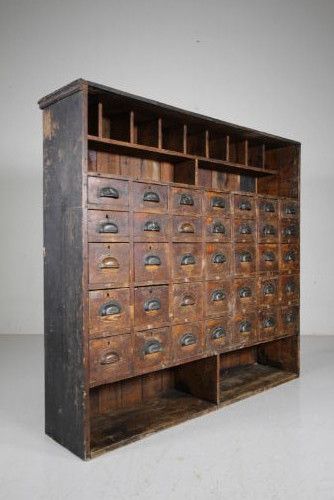
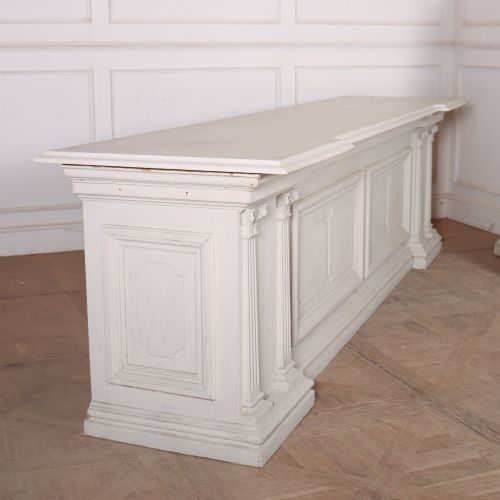
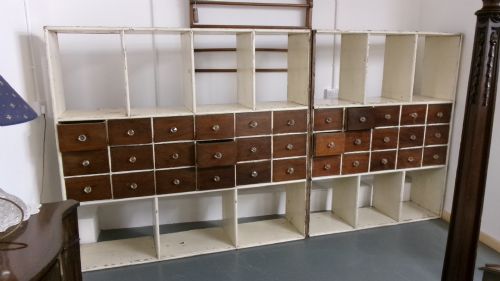
When you search for a vintage painted shop fitting, you are looking at utilitarian commercial furniture originally built for trade, from haberdashery cabinets to banks of drawers. These items range from Victorian chemist fittings with dozens of small drawers to French counters and Art Deco display pieces.
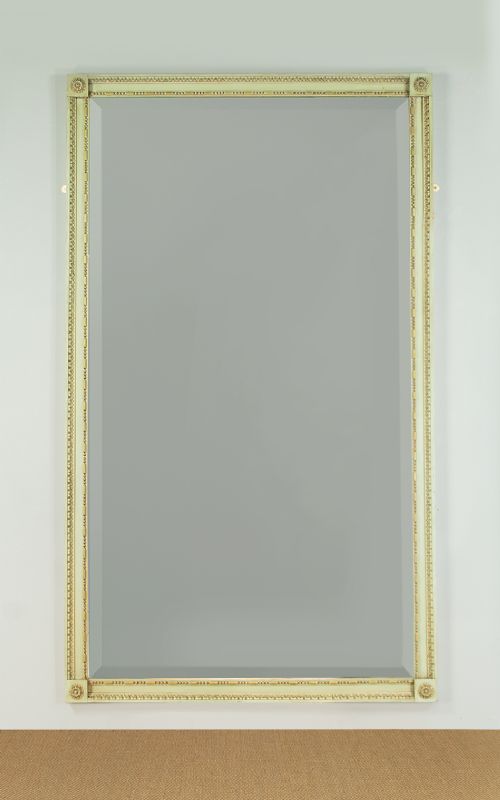
You are most likely to meet pine and oak pieces finished in original paint, often featuring numbers, sign writing, or remnants of historic retail use. The forms span multi-drawer storage units, shop counters, mirrors, and advertising mannequins from the nineteenth and early twentieth centuries.
How they were made
Makers constructed these commercial fixtures primarily from solid pine and oak, relying on durable joinery designed to withstand heavy daily use in shops and merchants. Iron, metal, and glass components added structural support and display capability to counters and cabinets.
Surfaces were frequently finished with gesso and layered paint schemes, often applied by hand and later enhanced by sign writing or decorative lettering denoting the original merchant or trade.
Listings feature items from the Victorian, Edwardian, and Art Deco periods, constructed in pine, oak, mahogany, and painted wood.
What varies in quality
The distinction between ordinary and exceptional examples rests in the survival of original painted surfaces and authentic trade markings rather than sterile restoration. Untouched layers of pigment, historic sign writing, and well-preserved structural timber elevate a piece above standard utilitarian salvage.
Proportion and scale also dictate worth, as unusually large banks of drawers or distinct regional variations from English, French, Italian, or Hungarian workshops command greater presence and utility in a modern interior.
The Vintage Painted Shop Fitting Glossary
- Haberdashery
- A style of commercial storage featuring numerous shallow drawers, originally designed for ribbons, threads, and small drapery goods. These units are prized for sorting and displaying small objects.
- Sign writing
- Hand-painted lettering applied directly to furniture to advertise a merchant, trade, or business. This decorative element provides historical context and provenance.
- Gesso
- A plaster-like mixture applied to wood surfaces to provide a smooth base for painting and gilding. It is frequently found beneath the painted finishes of period display pieces.
- Art Deco
- A design style emerging in the early twentieth century characterised by sleek geometric forms and modern materials. Pieces from this era often include display mannequins and counters.
Vintage Painted Shop Fitting: Frequently Asked Questions
How do I use a multi-drawer shop fitting at home?
These drawer units suit studies, kitchens, and boot rooms for organising everyday items, stationery, or tableware.
Their shallow proportions make them practical for sorting small objects without sacrificing surface space.
Are shop counters practical for modern kitchens?
A shop counter offers a deep work surface and substantial base storage, functioning well as a kitchen island or a room divider.
Many retain original wood tops and painted panels that add texture and history to contemporary spaces.
How do I identify a Victorian shop fitting?
Victorian examples typically employ solid pine or oak construction with hand-cut dovetail joints and dense banks of small drawers.
Original painted finishes often show natural crackle and wear accumulated through decades of commercial use.
What maintenance do painted wooden fittings need?
Maintain painted surfaces by dusting with a dry cloth and avoiding harsh chemical cleaners that can lift historic pigment.
Feed exposed dry timber sparingly with appropriate natural wax to preserve the finish.