





Industrial Cast Iron Desk
An industrial cast iron desk is a heavy-duty working surface built for trade or factory floors, combining robust metal frames with timber tops.
Industrial Cast Iron Desk
When you search for an industrial cast iron desk, you encounter robust utility furniture designed for workshops, factories, and offices rather than polite parlours. The pieces available span the Victorian era, the Edwardian period, and the 1930s, reflecting a long tradition of utilitarian design.
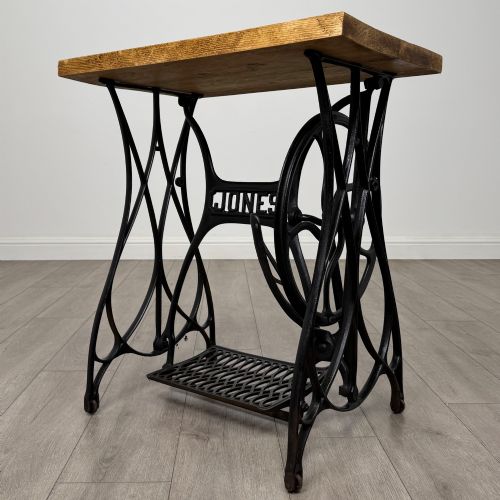
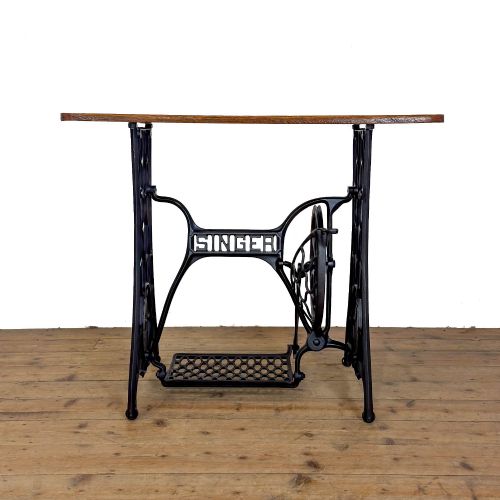
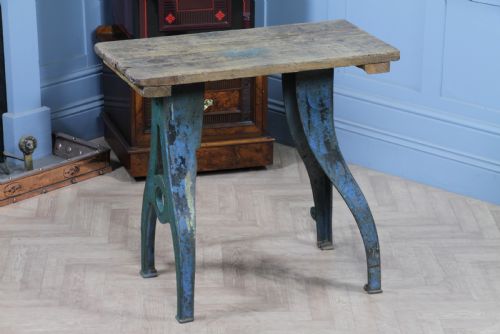
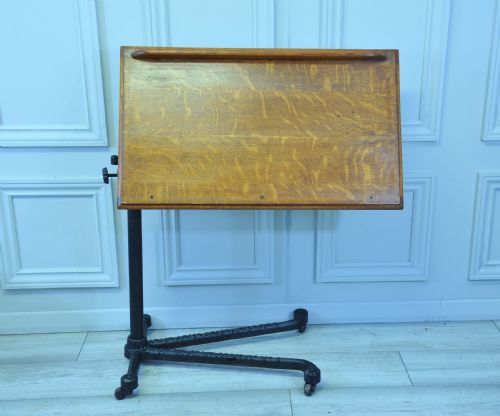
The selections on this page encompass related heavy-duty forms including side tables, console tables, work tables, and adjustable tables built on cast iron bases. Many items pair the signature metal framing with oak, pine, elm, or reclaimed timber tops.
Makers and manufacturers represented include Carters of London, Singer, and Evertaut, alongside heavy foundry pieces and printers stamps. These objects bridge the gap between commercial utility and domestic character.
How they were made
Foundries cast heavy iron into rigid structural frames, intricate table bases, and mechanical brackets designed to withstand demanding industrial use. These metal components are frequently paired with solid timber surfaces made from oak, pine, or elm.
Makers utilised functional mechanisms such as adjustable screw threads and pivoting joints to alter heights and angles for commercial workers. Painted finishes, patinated metal, and natural wood grain show the authentic wear of decades in the workplace.
A heavy cast iron printers stamp from 1880 quietly holds down the paper.
What varies in quality
The distinction between ordinary workshop salvage and exceptional pieces lies in the integrity of the casting and the quality of the timber top. Heavily detailed bases bearing maker marks or foundry stamps command greater attention than anonymous utility frames.
Original working mechanisms, such as smooth height adjustment screws and intact revolving seats or brackets, elevate a piece above standard altered examples. The harmony between the original cast iron support and the fitted wooden top dictates the visual balance.
Carters Of London·Singer·Evertaut·Hawkins
The Industrial Cast Iron Desk Glossary
- Cast iron
- An iron-carbon alloy poured into moulds to create rigid, heavy structural forms. It provides the foundational weight and decorative industrial silhouette for these tables and chairs.
- Up-cycled
- A modern term describing older industrial bases fitted with replacement timber tops such as reclaimed pine. This practice adapts historical machinery parts for contemporary domestic interiors.
- Foundry
- A factory that produces metal castings by pouring molten material into moulds. Foundry pieces often display robust utilitarian construction built for heavy commercial labour.
- Patina
- The surface sheen and colour acquired by wood, iron, and paint through age and continuous use. It records the working history of the object without modern intervention.
Industrial Cast Iron Desk: Frequently Asked Questions
How do I date a cast iron desk?
Dating relies on stylistic markers, manufacturing techniques, and recorded periods such as the Victorian era or the 1930s. Foundry marks and patent dates stamped into the metal often provide precise chronological clues.
Associated timber types and joinery methods further help place a piece within its historical decade. Comparing the mechanical complexity of adjustable joints also guides accurate dating.
Are these desks suitable for daily home use?
These robust pieces function effectively as writing tables, console surfaces, or home office desks. Their solid iron frames and timber tops easily support modern daily demands.
Their substantial weight requires careful placement on delicate flooring surfaces. The industrial aesthetic integrates smoothly into both contemporary and traditional rooms.
How should I care for cast iron frames?
Maintain the metal by dusting regularly with a dry cloth and avoiding harsh chemical cleaning agents. Preserving the original painted or patinated surface protects the historic character.
Applying a light microcrystalline wax can help guard exposed iron against moisture. Timber tops benefit from occasional traditional wax polishing to nourish the wood grain.
What is the difference between original and up-cycled tables?
Original pieces retain their authentic factory configuration of base and top from the period of manufacture. Up-cycled examples combine historical cast iron machinery bases with newer or reclaimed timber surfaces.
Both forms serve practical purposes, though purists often seek out matching period timber tops. Examining the fixings reveals whether top and base have spent their working lives together.