





Indigo Wool Wall Hanging
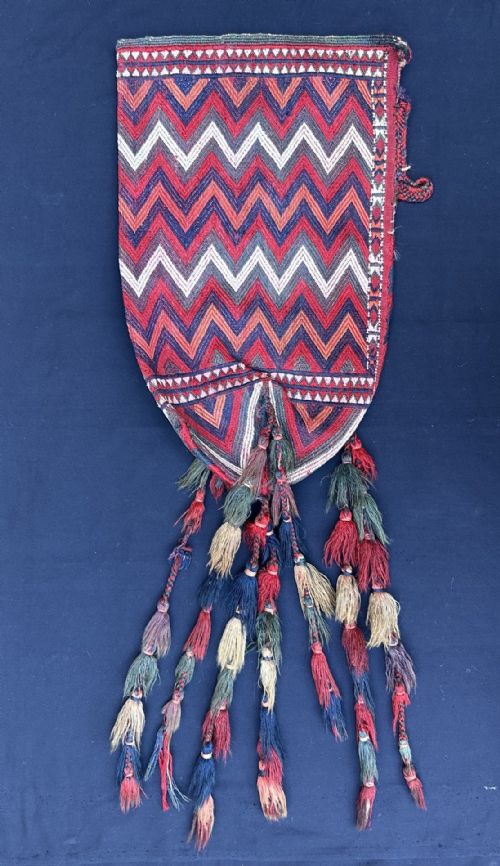
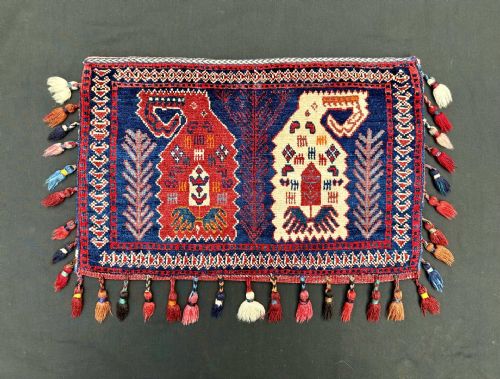
These indigo wool wall hanging examples bring genuine tribal character to a room through authentic nomadic textiles.
Indigo Wool Wall Hanging
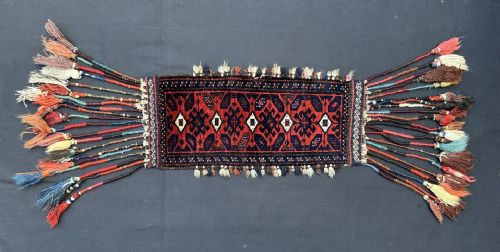
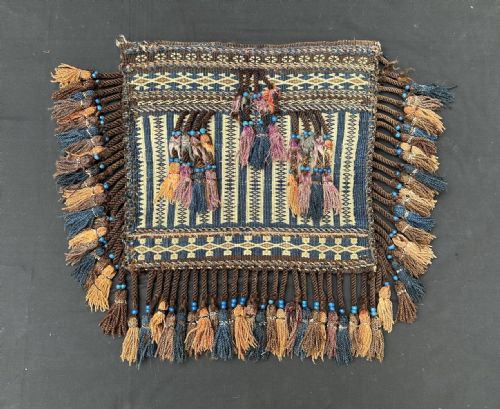
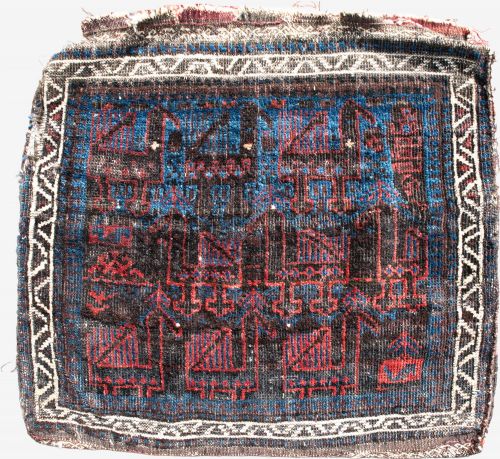
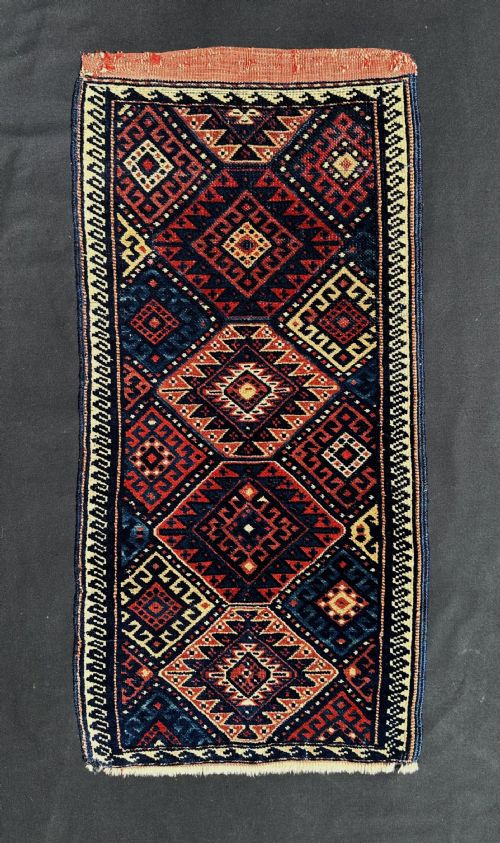
The versions most frequently met on this page are bag faces and flattened panels adapted from utilitarian objects like salt bags, grain bags, and eating cloths. Such items were initially woven by tribal groups including the Baluch, Yomut, Afshar, and Khamseh using local looms and traditional motifs. Their conversion into wall hangings preserves structural textiles that once served practical functions in nomadic tents and settlements.
Materials and construction
The pieces rely primarily on hand-spun wool combined with natural dyes to achieve deep colour palettes characteristic of tribal weaving. Artisans utilised supplementary techniques such as Soumak work alongside flatweave construction and pile knots to build durable surfaces. Cotton and glass beads occasionally appear as secondary structural or decorative elements within specific regional panels.
Construction methods often involved assembling narrow woven strips or individual panel sections into complete functional objects. For instance, some covers and kilim panels incorporate multiple joined strips or repurposed storage containers like mafrash sides. This method of creation reflects the resourceful nature of nomadic craft traditions where textiles were built to withstand rigorous daily handling.
Indigo Wool Wall Hanging Retail Price Guide 2026
Typical asking prices for indigo wool wall hanging among the pieces listed under this phrase on Sellingantiques today, from the lower quarter to the upper quarter. They describe what is for sale here now, not the wider market.
Listings feature textiles spanning the nineteenth and early twentieth centuries, rooted in Persian, Turkmen, and Caucasian tribal traditions.
Assessing quality in tribal textiles
Quality rests upon the fineness of the spin, the precision of the flatweave or pile knotting, and the depth achieved by natural dyes. Superior examples demonstrate exceptional control over the loom with tight, even structures that maintain their integrity across the entire textile panel.
The complexity and clarity of traditional tribal designs further distinguish finer pieces from standard domestic wares. Well-executed motifs, such as specific regional guls or Herati patterns, display deliberate planning and balanced composition executed by experienced tribal weavers.
The Indigo Wool Wall Hanging Glossary
- Soumak
- A brocade-like flatweave technique where pattern yarns are wrapped over the warp threads before being passed back. This method creates a sturdy, textured surface often found on salt bags and animal trappings.
- Sofreh
- A woven spread or cloth used during meals or dough preparation by nomadic communities. These utilitarian items frequently feature geometric designs and flatweave construction.
- Torba
- A wide utility bag used by Turkmen tribes for domestic storage inside the yurt. They typically display distinctive secondary guls and border patterns across the face.
- Mafrash
- A large rectangular storage container used in pairs for bedding and household goods during nomadic migrations. Their individual side panels are often separated and repurposed as flatweave rugs or wall hangings.
- Gul
- A medallion-like motif recurrent in Turkmen and Central Asian tribal weaving. Each pattern often identifies a specific tribe or sub-group.
Indigo Wool Wall Hanging: Frequently Asked Questions
How were these bags used originally?
Nomadic groups utilised these woven pieces for transporting and storing household possessions, grain, salt, and bedding during seasonal migrations. They hung inside tents or served practical functions as eating cloths and camel trappings.
Over generations, many of these utilitarian containers were repurposed into decorative panels as their original nomadic contexts shifted and modern domestic interiors embraced tribal craftsmanship.
Where do these tribal textiles originate?
The pieces originate from various regions across Persia, Afghanistan, Central Asia, and the Caucasus. Tribal confederations such as the Baluch, Yomut, Afshar, and Khamseh produced these works in local settlements and encampments.
Each region developed distinct palettes, structural techniques, and decorative motifs that allow modern observers to trace a textile's geographic and cultural roots.
How do I hang a textile securely?
Displaying these pieces safely requires mounting methods that distribute weight evenly across the entire upper edge without piercing or damaging the wool fibres. Conservation-grade Velcro stitching or custom fabric sleeves provide stable support for heavier flatweaves and bag faces.
Avoiding direct, intense sunlight prevents natural dyes from fading over time while maintaining the structural integrity of the hand-spun wool.
What defines a Baluch tribal weave?
Baluch weaves typically originate from the borderlands of Persia and Afghanistan, created by nomadic and semi-nomadic groups. They frequently feature deep indigo and brown tones alongside geometric bird or tree motifs.
These compact bag faces and trappings reflect a distinct regional aesthetic that prioritises durable wool construction and rich, saturated colour profiles.