

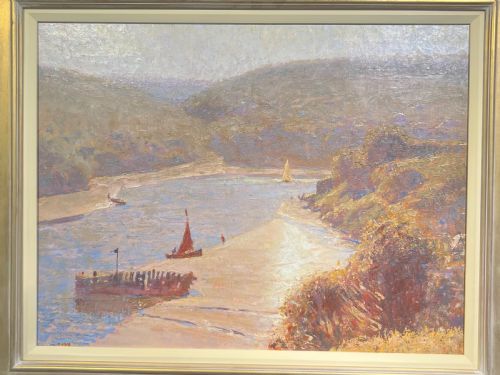
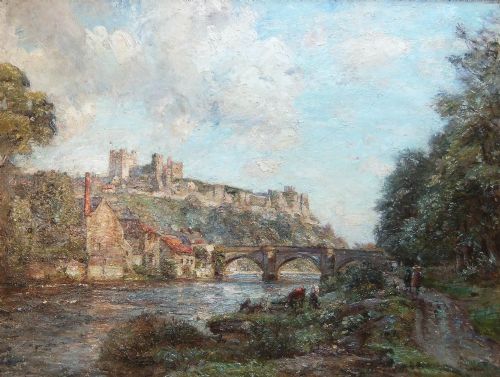


Impressionist River Oil Painting
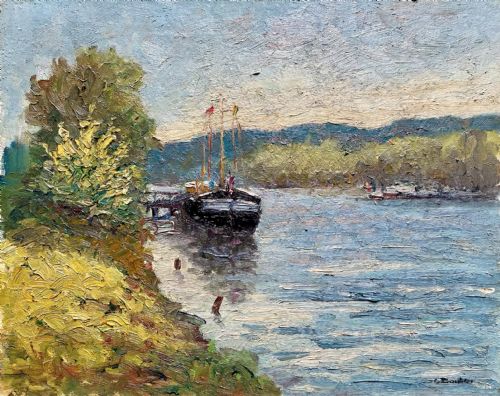
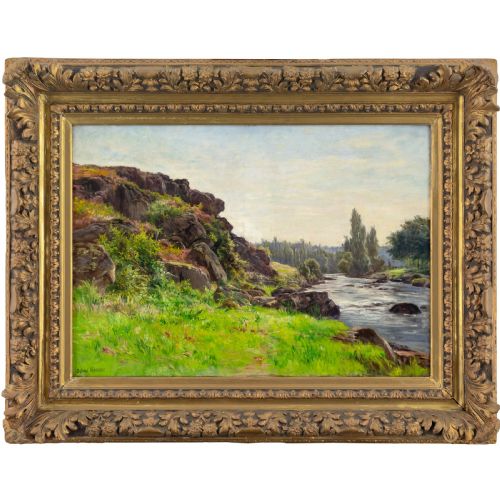
An impressionist river oil painting captures the shifting light and fluid movement of water through broken brushwork and luminous colour.
Impressionist River Oil Painting
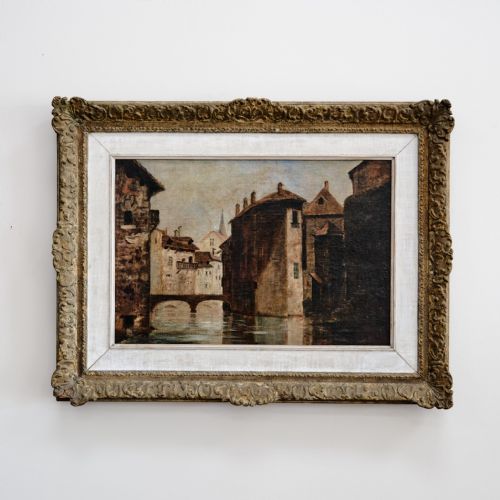
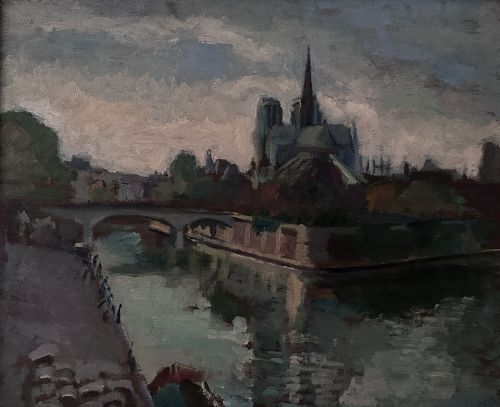
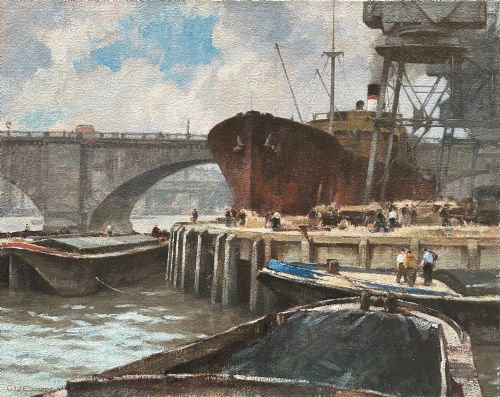
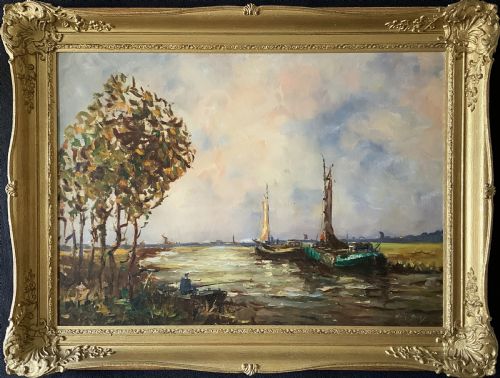
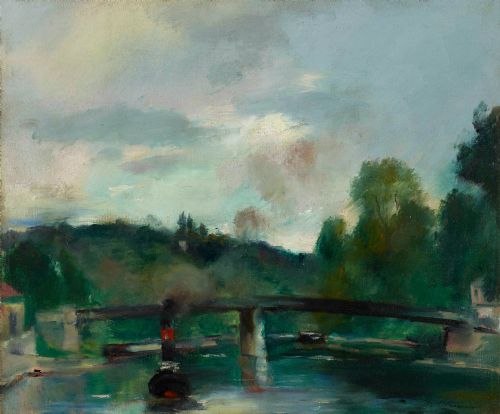
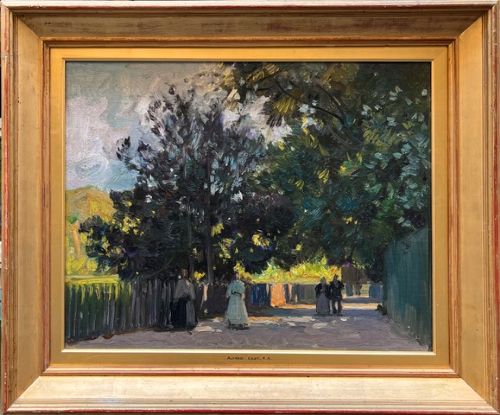
When searching for an impressionist river oil painting, you encounter canvases and wood panels depicting waterways, bridges, and riparian banks from the nineteenth and twentieth centuries. These works span British, French, Dutch, and Scottish schools, encompassing Barbizon traditions and mid-century interpretations.
The most common formats on this page are oil on canvas or wood panel, showing subjects ranging from Parisian canals and rural Yorkshire streams to Dutch waterways. Artists register the atmosphere of specific rivers like the Seine or the Wharfe through expressive handling of paint.
These pieces reflect diverse regional movements within impressionism, from Victorian naturalism to mid-century impasto textures. Each work documents a distinct approach to capturing light upon water during different decades of the modern era.
How They Were Made
Painters built these surfaces using oil paint applied to stretched canvas or wooden panels, frequently incorporating gesso grounds to prepare the support. Pigments were layered swiftly to capture transient effects of daylight and reflection on the water.
Makers employed varied brush techniques, from smooth tonal blending to thick impasto strokes that give the water texture and physical presence. Frames often utilise moulded wood and gilt finishes to complement the luminous palette of the composition.
What Varies in Quality
Quality rests upon the artist's command of light, tonal harmony, and spatial depth within the river landscape. Superior examples demonstrate confident brushwork that defines water movement without relying on rigid outlines.
The preservation of the original oil pigment and the stability of the canvas or wood panel influence the integrity of the work. Finer paintings maintain vibrant colour relationships and secure adhesion between the paint layers and their supports.
Gabriel Mathieu·Henri Ottmann·Sir Alfred East·Herbert Royle·Paul Desire Trouillebert·John Horace Hooper·Honore Cavaroc·Archibald Kay·Charles Clair·Henri Jaques Delpy·Sir David Murray·Mario Pinetti·Arthur Herbert Rigg·Ron Folland·Owen Bowen·E A Minardo·David Watts·William Grant Murray·Florence Hess·Maud Raphael Jones·Fred Stead·Phyllis Morgans·George Graham·Cyril Walduck Edwards·Willem Bos
The Impressionist River Oil Painting Glossary
- Impasto
- Paint applied thickly to a canvas or panel, standing out in relief from the surface. This technique allows the artist to build physical texture into the depiction of water or foliage.
- Barbizon School
- A nineteenth-century French movement focused on plein-air landscape painting and direct observation of nature. Artists associated with this group influenced subsequent impressionist approaches to rivers and rural scenery.
- Post-Impressionism
- An artistic development following impressionism that retains vivid brushwork while exploring structural form and emotional resonance. Works in this style emphasise subjective colour over strict optical realism.
- Panel
- A rigid wooden support used by artists instead of woven canvas for oil paintings. Panels offer a smooth, stable ground that preserves fine detail in early twentieth-century landscapes.
- Gesso
- A primer mixture of chalk, gypsum, and binder applied to canvas or wood to create a smooth painting surface. This preparation seals the support and enhances the luminosity of oil pigments.
Impressionist River Oil Painting: Frequently Asked Questions
What subjects do these paintings feature?
These works depict rivers, canals, bridges, and riparian landscapes across various European locations. Scenes range from bustling city waterways in Paris and London to quiet rural streams in Yorkshire and Normandy.
Artists focused on capturing the changing atmosphere of water, involving reflections of skies, trees, and passing vessels under different weather conditions.
How do I care for an oil painting on canvas?
Keep the artwork away from direct sunlight and sources of extreme heat or humidity to prevent the canvas from sagging and the oil paint from cracking. Dust the surface gently with a soft, dry brush without applying pressure.
Avoid using water or chemical cleaners on the paint surface or the gilt frame. Professional conservators should handle any structural repairs or cleaning of aged varnish.
What is the difference between impressionism and post-impressionism?
Impressionism focuses on recording transient visual impressions of light and colour en plein air through rapid brushstrokes. The primary goal is capturing the immediate optical experience of a sunlit river or atmospheric haze.
Post-impressionism retains these luminous palettes and broken brushwork but places greater emphasis on structural form, symbolic colour, and personal expression. This later approach leads toward more defined geometries within the landscape.
Where were these artists working?
The painters represented here worked across Britain, France, the Netherlands, and Scotland, often painting outdoors beside local waterways. Many sought out specific river valleys known for artistic communities, such as the Seine near Giverny or rural French and English counties.
Their travels through continental Europe and Britain generated diverse regional interpretations of light on water during the nineteenth and twentieth centuries.