





Impressionist Ocean Art
Impressionist ocean art captures the restless movement of water through loose brushwork and vivid atmospheric light.
Impressionist Ocean Art
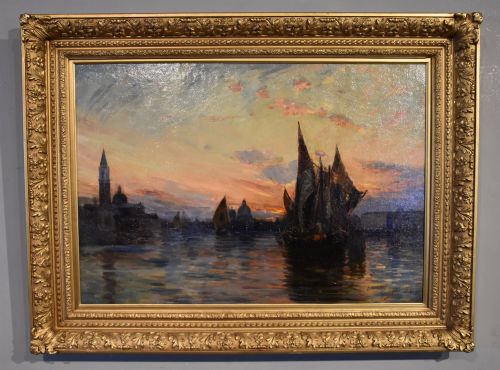
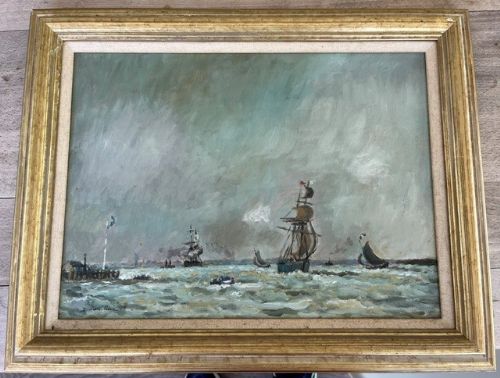
Impressionist ocean art brings together coastal scenes, harbours and open waters painted under the influence of nineteenth and twentieth century movements. When you search for impressionist ocean art, you find works that prioritize shifting light and weather over rigid topographical detail. The selections span British Impressionism, Post-Impressionism, and Maritime Impressionism alongside continental European scenes.
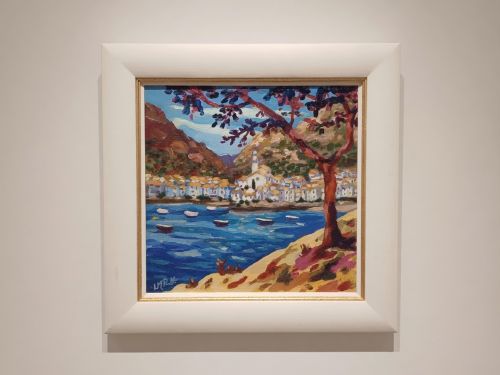
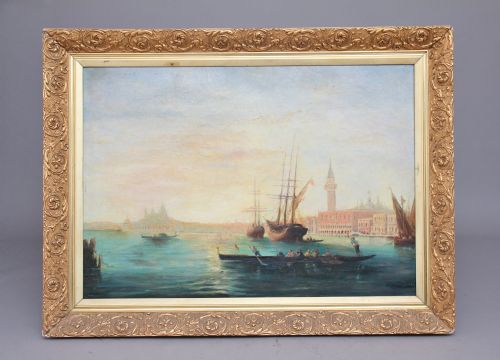
The pieces represented on this page lean heavily into oil paintings and watercolours executed on canvas, board, paper and panel. You will encounter Cornish fishing ports, French coastal cliffs, Venetian lagoons and Scottish shores captured by artists working from the late nineteenth century through to the later decades of the twentieth century. These formats reflect both en plein air studies and finished studio compositions.
How they were made
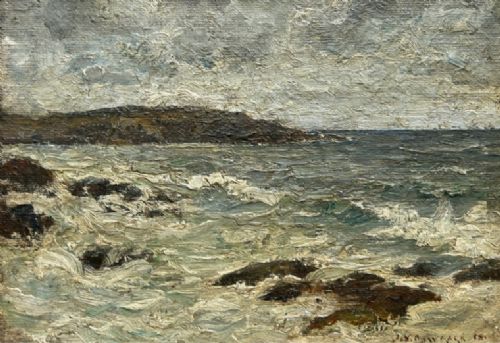
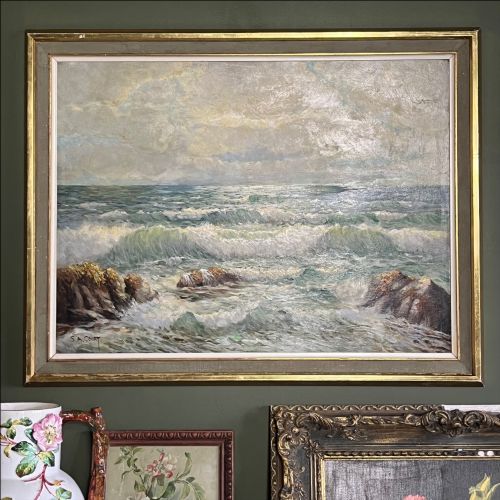
Artists create these maritime works primarily using oil paint or watercolour applied to stretched canvas, wooden board, sturdy paper or panel. The application frequently involves impasto techniques where thick, textured brushstrokes build up the surface to suggest churning surf, white crests and rocky shorelines.
Many of these coastal paintings originate from en plein air sessions where painters worked directly outdoors to catch fleeting atmospheric changes on the water. Canvases are often secured within period gilt or wooden frames that complement the marine palette of blues, greys and sunlit highlights.
Salt spray occasionally found its way into the wet paint of these brave souls working right on the edge of the cliff.
What varies in quality
The strength of a coastal work rests in the confidence of the brushwork and the artist's command of natural light over water. Superior examples demonstrate a decisive rhythm in the handling of foam and sky, whereas lesser pieces can feel static or overly formulaic in their composition.
Provenance and signature clarity also shape the standing of a piece within this tradition. Works bearing clear attribution to established regional painters or carrying exhibition histories tend to hold greater artistic weight than anonymous student or amateur efforts.
Clifford Hanney·Sidney A Court·William Banks Fortescue·Lucy Pratt·Thomas Hodgson Liddell·Elisabeth Bardon·Norman Lloyd·William Greaves·Charles Malfroy·Roger de la Corbiere·Frederick Stuart Richardson·Sir David Murray·Owen Bowen·H Hadfield Cubley·S J Lamorna Birch·James Watson·Edward T Jones·Fred Stead·Donald McIntyre·Alastair Flatterly·James G Faulds·Harry John Pearson
The Impressionist Ocean Art Glossary
- En plein air
- Painting outdoors in direct natural light to capture immediate atmospheric effects. This practice became central to nineteenth-century landscape and marine artists.
- Impasto
- Paint applied thickly to a canvas or board, standing out in relief from the surface. This technique adds tactile dimension to crashing waves and rocky cliffs.
- Maritime Impressionism
- A subgenre focusing on harbours, seascapes and coastal life rendered through broken colour and loose brushwork. It emphasises mood and weather over precise nautical detail.
- Post-Impressionism
- An artistic development following impressionism that explored expressive forms and subjective colour palettes. Works in this style often use bolder outlines and heightened tones.
- Provenance
- The documented history of ownership or exhibition associated with an artwork. Clear provenance helps verify the authenticity and origin of a painting.
Impressionist Ocean Art: Frequently Asked Questions
What is impressionist ocean art?
Impressionist ocean art comprises paintings and watercolours that depict marine views, beaches and harbours using loose brushwork and natural light.
These works focus on the atmosphere of the coast rather than strict realistic representation.
How should I hang ocean paintings?
Hang these pieces away from direct sunlight to protect oil pigments and watercolours from fading over time.
Pairing the canvas with a simple or gilt frame helps anchor the coastal colours against a neutral wall.
How do I identify a period?
Look to the framing materials, canvas preparation, stretcher bars and any signatures or inscriptions on the reverse of the board.
Stylistic shifts between late nineteenth-century realism and mid-century impasto also provide clear chronological clues.
Where were these scenes painted?
Artists painted these coastal views across British shores in Cornwall, Yorkshire and Scotland, as well as French and Mediterranean waters.
Many practitioners travelled specifically to fishing ports and coastal inlets to work directly from nature.