



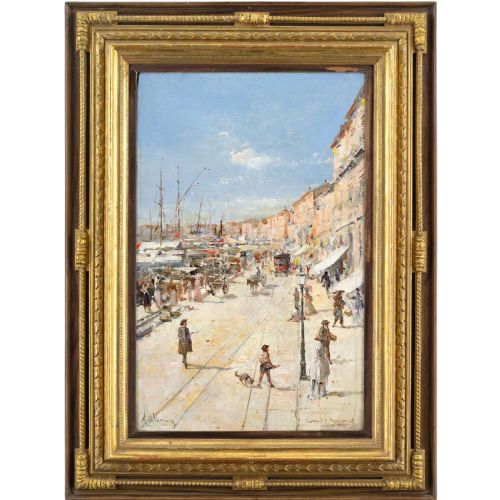
Impressionist Landscape Artwork
Impressionist landscape artwork captures light and place through loose brushwork and varied natural scenes.
Impressionist Landscape Artwork
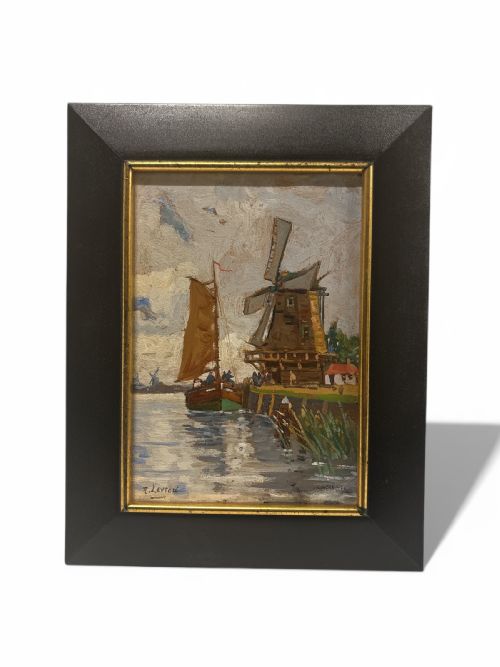
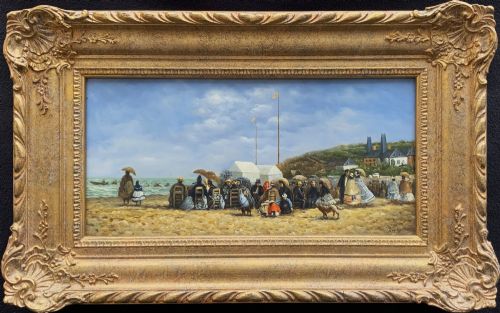
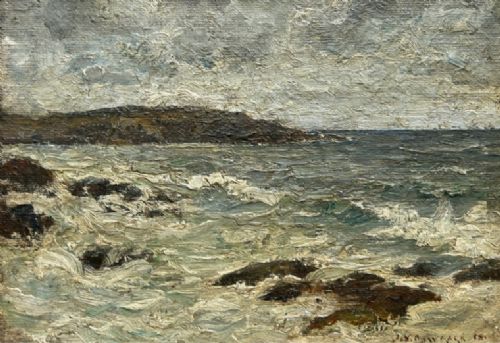
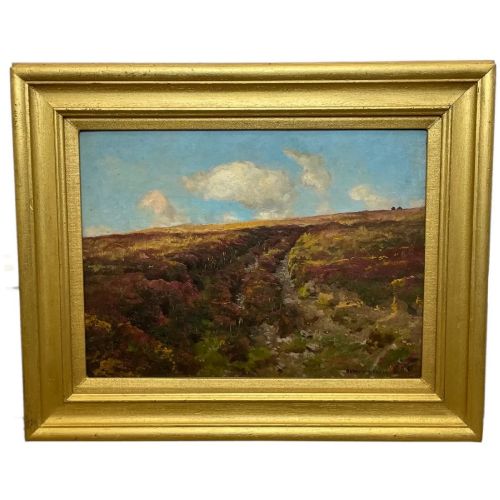
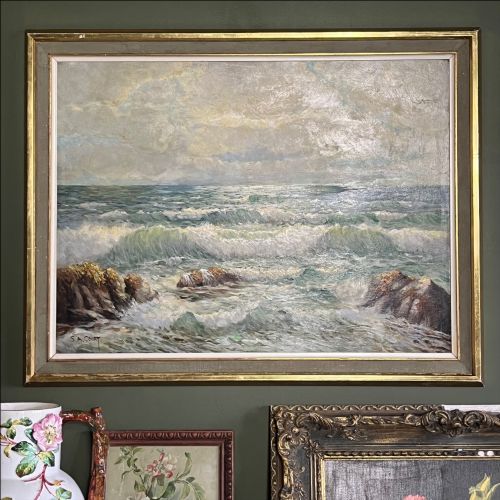
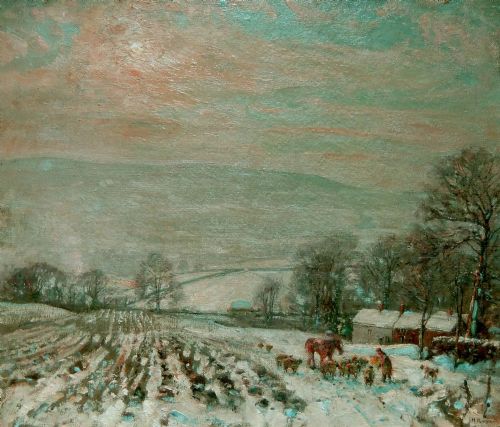
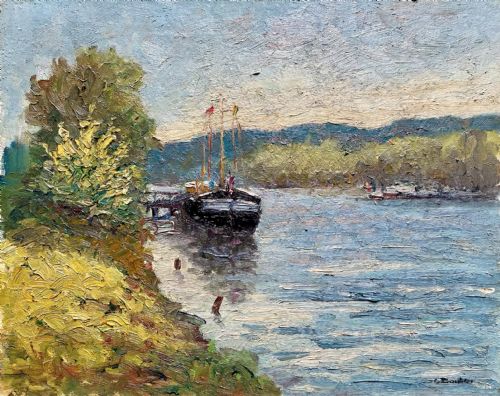
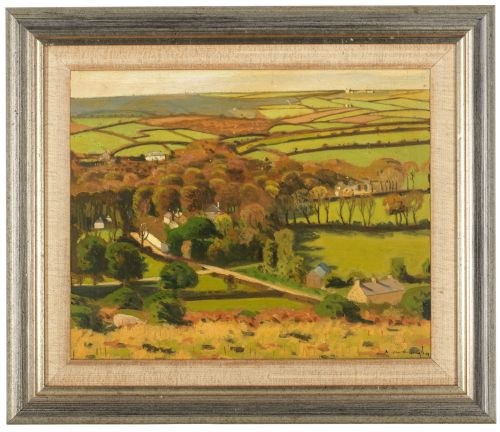
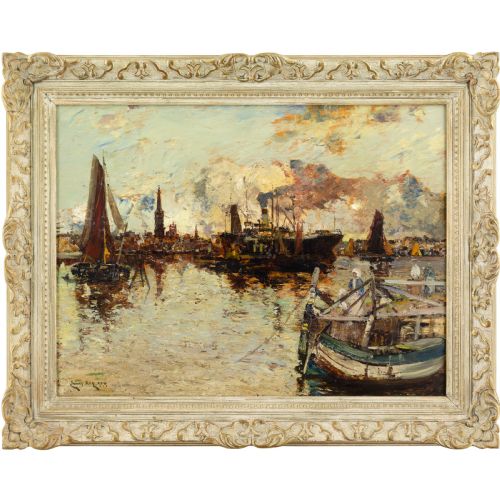
When you search for impressionist landscape artwork, you encounter painted scenes of coastal views, rural fields and urban settings from the nineteenth century onwards. These works record natural light and atmosphere through visible brushstrokes rather than tight academic detail.
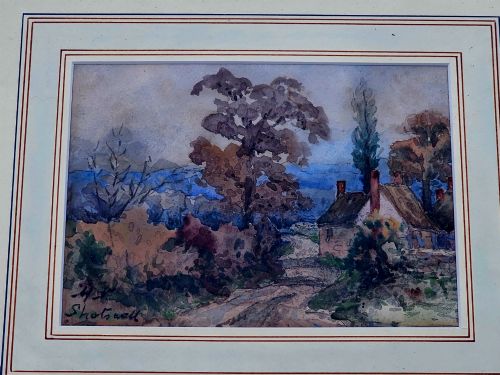
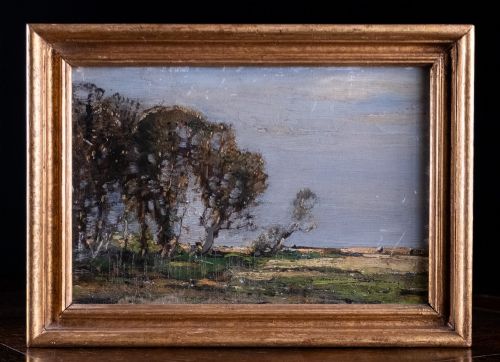
The pieces on this page span British and continental European origins, produced across decades from the Edwardian era into the mid-twentieth century. Works range from small en plein air watercolours on paper to substantial oil paintings on canvas and board.
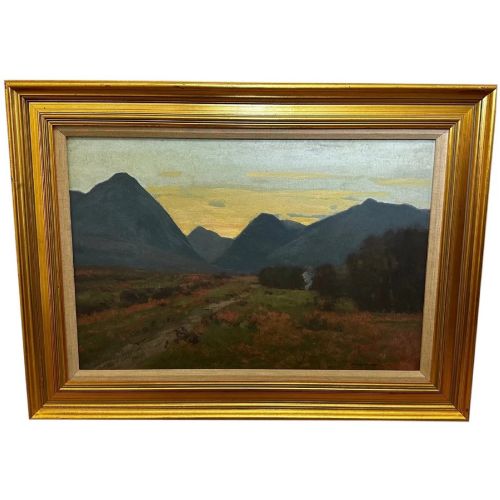
Subjects frequently centre on maritime harbours, quiet riversides and open countryside executed by named artists and regional schools. Buyers find both intimate sketches and finished framed compositions representing diverse regional movements.
Materials and technique
Painters of these works utilised oil paint or watercolour applied directly to prepared canvas, wooden board or thick paper. Many artists worked en plein air to capture immediate atmospheric changes outdoors.
Impasto techniques build thick ridges of pigment on the surface to catch ambient light, while thinner washes create luminous skies and water. Gilt frames often enclose the finished compositions to complement the painted light.
Impressionist Landscape Artwork Retail Price Guide 2026
Typical asking prices for impressionist landscape artwork among the pieces listed under this phrase on Sellingantiques today, from the lower quarter to the upper quarter. They describe what is for sale here now, not the wider market.
Listings feature works spanning the nineteenth century through the 1960s, executed in oil and watercolour on canvas, board and paper.
Distinctions in quality
The strength of an impressionist landscape artwork lies in the confidence of the brushwork and the management of natural light across the surface. Stronger compositions reveal a decisive hand that renders atmosphere and depth with economy.
The integration of colour harmony and texture separates routine topographical recording from accomplished painting. Works that sustain tension between surface pigment and spatial illusion command greater attention.
Clifford Hanney·Arthur Wardle·Kershaw Schofield·George Houston·Herbert Royle·William Banks Fortescue·Robert Morson Hughes·James Kay·Augusto Alberici·Gabriel Mathieu·Arthur Gué·Charles Houben·Antonio DeVity·Clive Browne·Paul Bret·Hector Caffieri·Francisco Sancha·Cyril Walduck Edwards·Alfred Wolmark·Eric Brown·Willem Bos·Henri Ottmann·Ernest Higgins Rigg
The Impressionist Landscape Artwork Glossary
- En plein air
- Painting outdoors on location to capture direct observations of natural light and weather. This practice defined much of the plein air production seen in early twentieth-century landscapes.
- Impasto
- Paint applied thickly to a canvas or board so that it stands out from the surface. This technique allows brush marks and knife strokes to retain physical dimension.
- Post-Impressionism
- A diverse artistic movement extending impressionist methods with a greater emphasis on symbolic content and formal structure. Artists working in this manner manipulated colour and form beyond strict naturalism.
- Canvas
- A closely woven fabric stretched across a wooden frame to serve as a support for oil painting. It provides a flexible yet durable ground for varied paint layers.
Impressionist Landscape Artwork: Frequently Asked Questions
What defines an impressionist landscape?
These works focus on the fleeting effects of light and weather using visible, rapid brushstrokes rather than polished academic finishes. Painters prioritised atmosphere and mood over topographic precision.
Subjects typically include coastal harbours, riversides, fields and urban streetscapes observed directly from nature.
Where were these paintings made?
The pieces originate from Britain and various European regions including France, Italy, Belgium and the Netherlands. Artists travelled to specific coastal and rural colonies to paint en plein air.
Local topography from Cornwall, Normandy, Sicily and the Thames valley appears frequently across the selection.
How should I frame these works?
Many pieces retain their period gilt frames, which complement the tonal range and heavy impasto of the paint surface. Matching a period frame enhances the historical context of the painting.
Ensure that any new framing allows proper ventilation behind canvas or board supports.
How do I date an oil painting?
Dating relies on stylistic clues, artists' active working years, framing materials and any inscriptions on the reverse of the canvas or board. Pigment analysis and stretcher construction also provide chronological markers.
Signatures combined with biographical records of regional schools narrow the period of execution.