

Impressionist Flower Artwork
Impressionist flower artwork captures transient botanical beauty through loose brushwork and vibrant colour, making these paintings enduringly popular for bringing natural warmth into domestic interiors.
Impressionist Flower Artwork
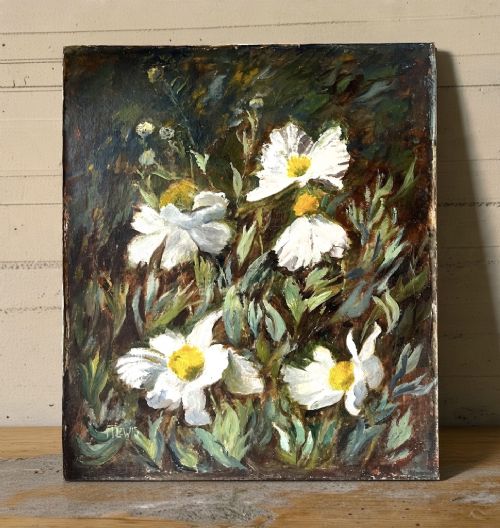
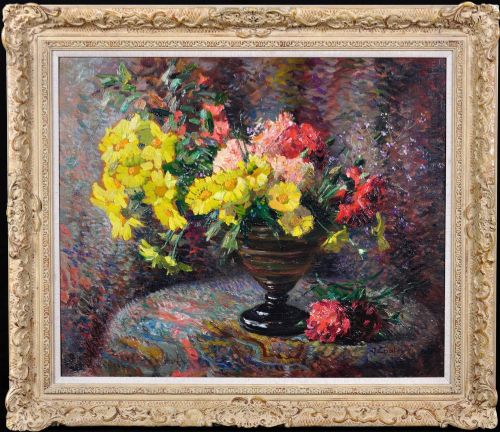
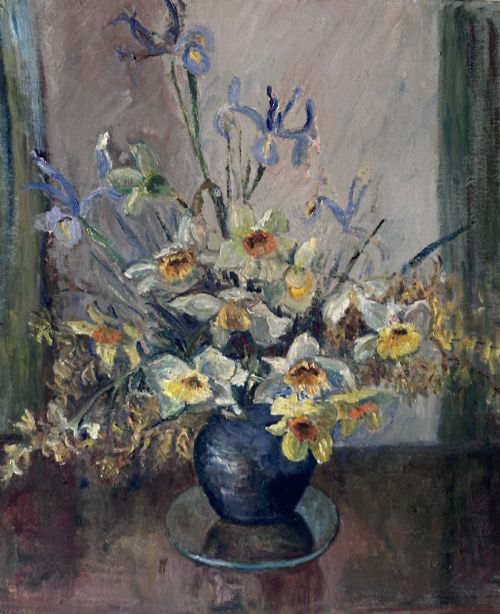
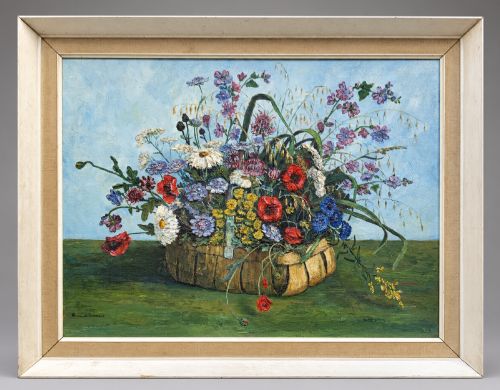
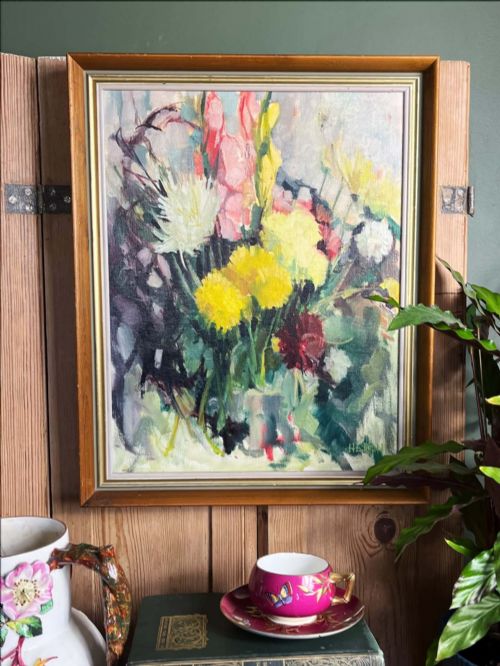
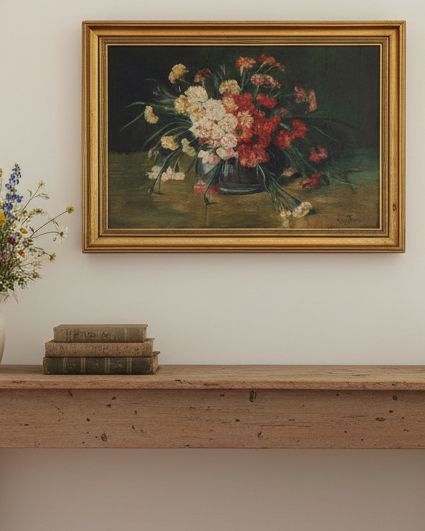
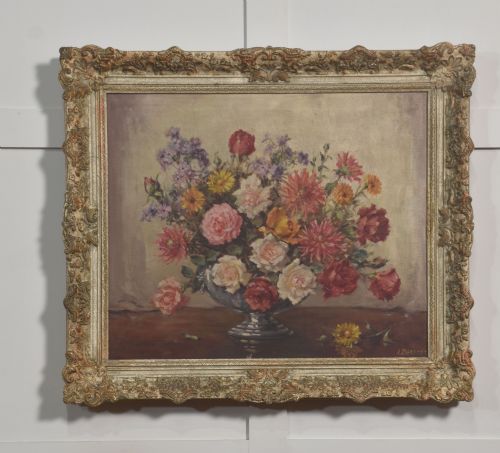
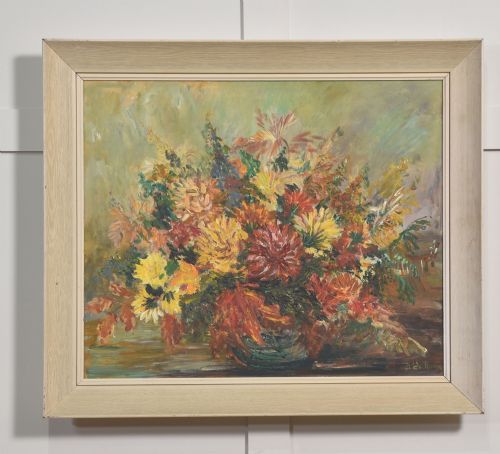
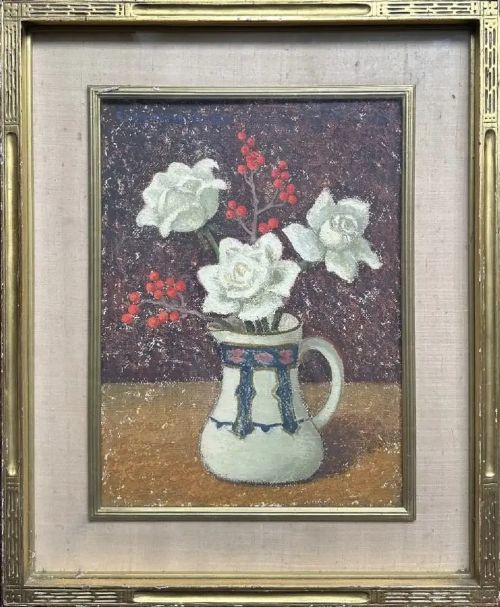
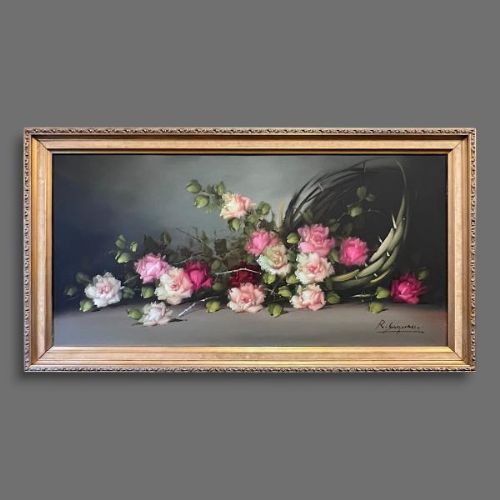
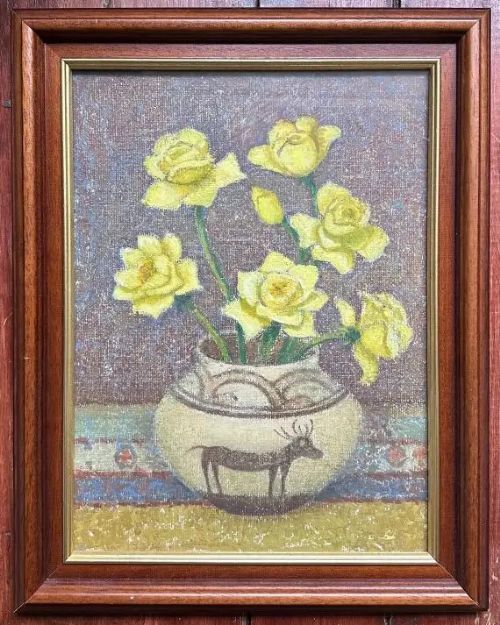
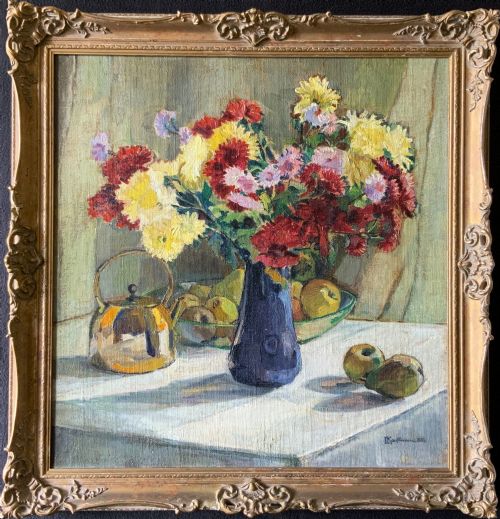
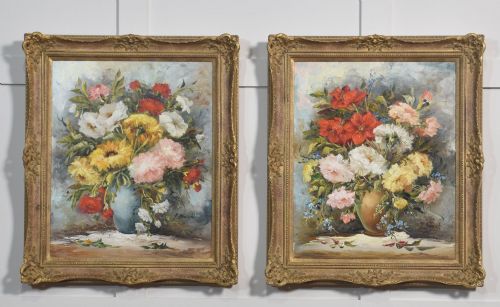
Impressionist flower artwork chiefly encompasses oil paintings and watercolours depicting floral subjects, botanical still lifes, and garden scenes. These pieces capture blooms in vases, baskets, or natural settings with an emphasis on light and atmospheric brushwork rather than rigid botanical precision.
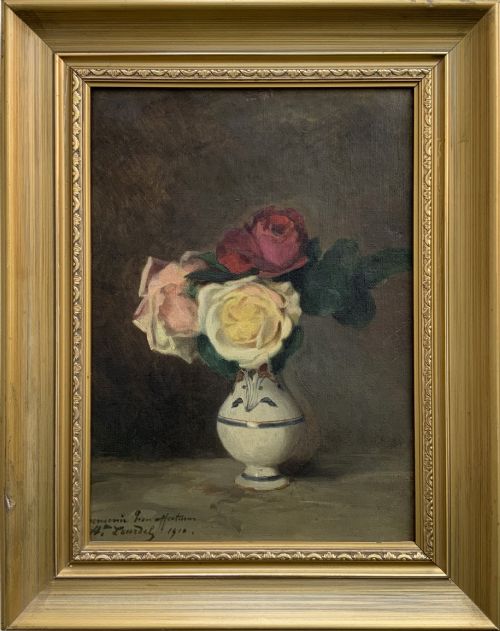
You are most likely to encounter mid-century and 1930s oil paintings on canvas or board, alongside Edwardian watercolours. Common floral subjects range from roses, anemones, and carnations arranged in domestic interiors to broader garden views and landscapes.
The selection bridges British, French, and wider continental traditions, spanning the late nineteenth century through to the middle of the twentieth century. Whether rendered through thick impasto or delicate washes, these works reflect the enduring appeal of floral studies across various regional schools.
How they were made
Artists primarily utilised oil paint and watercolour applied to stretched canvas, wooden board, or heavy paper supports. The handling often employs visible, energetic brushstrokes or impasto to build texture, particularly in depicting petals and foliage.
Many works are housed in their original frames, frequently constructed from wood with applied gesso and gilt finishes that complement the painterly surfaces within.
Impressionist Flower Artwork Retail Price Guide 2026
Typical asking prices for impressionist flower artwork among the pieces listed under this phrase on Sellingantiques today, from the lower quarter to the upper quarter. They describe what is for sale here now, not the wider market.
The selection includes regional British and continental European works, capturing floral subjects in diverse post-impressionist and modernist styles.
What varies in quality
Quality rests in the confidence of the brushwork and the artist's command of light, colour harmony, and spatial depth. Superior examples demonstrate a decisive handling of pigment that brings vitality and movement to the floral arrangement, avoiding static or formulaic composition.
The relationship between the subject and its framing plays a role, as period gilt or gesso frames designed specifically for the canvas enhance the integrity of the piece. Preservation of the original paint surface without disruptive overpainting also distinguishes the finer works in this genre.
Konstantin Stoitzner·Emma Fordyce MacRae·William Watt Milne·Owen Bowen·Gertrude Hayes·Amile Coppieters·Florence Hess·Lester Sutcliffe·Ernest Higgins Rigg·Kershaw Schofield·Lilian Stannard·Rowland Henry Hill·Maud Frances Eyston Sumner·Elizabeth T. Sutcliffe·William Thomas Wood
The Impressionist Flower Artwork Glossary
- Impressionism
- A nineteenth-century painting style focusing on the visual impression of the moment, especially the shifting effects of light and colour. Practitioners favoured visible brushstrokes and unblended pigments over smooth academic finishes.
- Impasto
- The process of applying paint thickly on a canvas or board, so that it stands out from the surface. This technique preserves the physical gesture of the brush and adds tactile depth to petals and leaves.
- Still life
- A work of art depicting mostly inanimate subject matter, typically commonplace objects or natural items such as flowers and fruit. In floral works, the arrangement serves as a study in form, light, and colour.
- Gesso
- A plaster-like mixture used as a base for moulding or painting on frames and wooden panels. In period framing, gesso is often carved or moulded into ornate decorative patterns before gilding.
Impressionist Flower Artwork: Frequently Asked Questions
What subjects do these paintings feature?
These works predominantly feature floral still lifes, including roses, carnations, anemones, and chrysanthemums arranged in vases or baskets. You will also find garden views, landscapes, and interior scenes incorporating botanical elements.
The compositions range from intimate tabletop studies to broader depictions of flowers growing in domestic gardens and natural settings.
How should I hang and display these artworks?
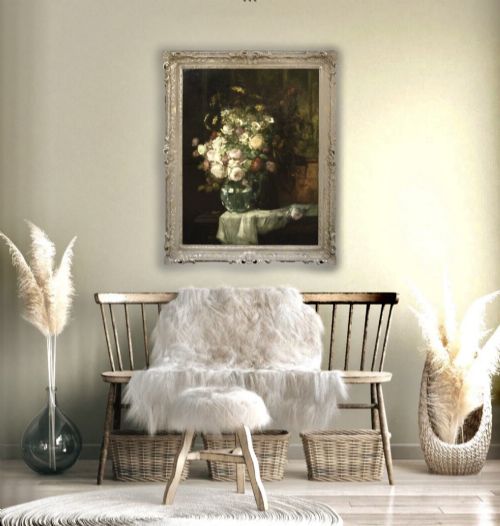
These pieces suit various domestic spaces, pairing well with both traditional period decor and cleaner mid-century interiors. Ensure they are placed away from direct sunlight and damp environments to protect the canvas and original pigments.
Matching the painting with a suitable wall space allows the natural light in your room to interact with the brushwork and gilt frames.
How can I tell the period of a painting?
Dating relies on stylistic clues such as the handling of paint, the framing materials, and the supports used. Edwardian and earlier works often feature softer watercolours or traditional oils, while 1930s and mid-century pieces frequently embrace bolder impasto and modernist colour palettes.
Signatures, framing styles, and exhibition labels on the reverse also provide helpful context for establishing when an artwork was created.
What is the difference between oil and watercolour here?
Oil paintings utilise pigment suspended in drying oil on canvas or board, allowing for rich textures, thick impasto applications, and deep colour saturation. Watercolours involve water-soluble pigments applied to paper, producing a more translucent and luminous effect.
Both mediums were widely used by artists capturing floral subjects, each offering a distinct visual atmosphere.