




Impasto Landscape Fine Art
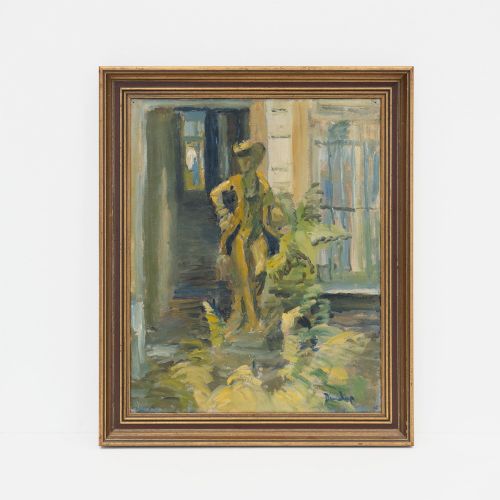
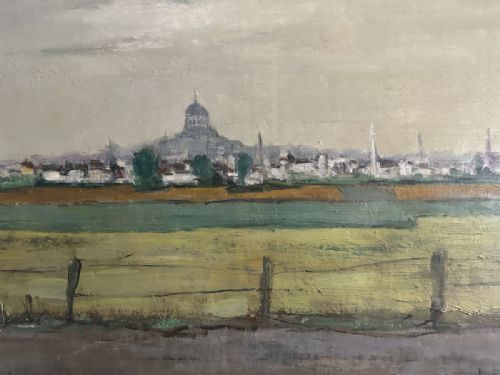
Impasto landscape fine art brings heavy texture and rich surface to walls through works executed in thick oil paint.
Impasto Landscape Fine Art
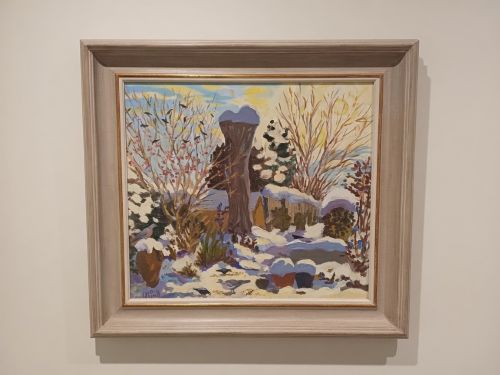
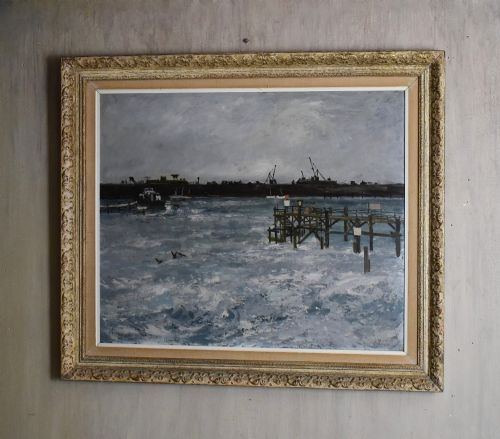
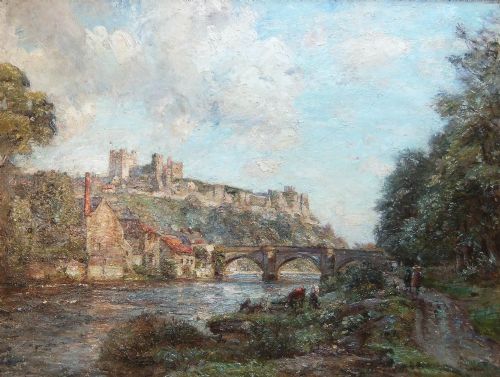
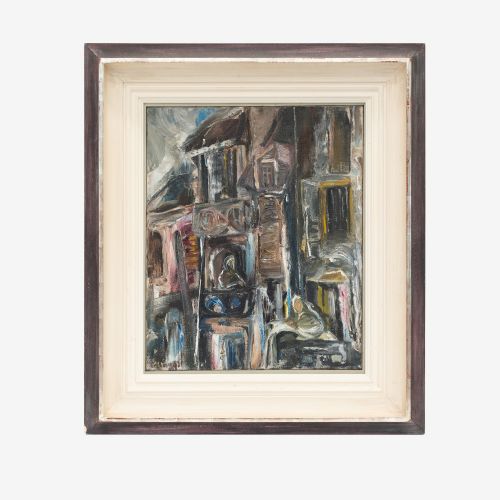
Impasto landscape fine art comprises paintings depicting natural scenes, rural views, and coastal harbours created with thick layers of pigment. When searching for impasto landscape fine art, buyers encounter works ranging from late nineteenth-century pastoral scenes to mid-twentieth-century modernist village views.
The pieces listed on this page span several decades from eighteen-ninety to later than nineteen-sixty. British impressionism, post-impressionism, and mid-century expressionism represent the primary stylistic traditions visible in these paintings.
Canvases and wooden panels form the core physical support for these artworks. Painters applied oil paint directly to these surfaces, frequently finishing the works within wooden and gilt frames.
How they were made
Artists utilised oil paint loaded heavily onto brushes or applied with palette knives to build physical dimension on the surface. This technique leaves visible ridges and peaks of pigment that catch light independently from the surrounding canvas or wood panel.
The application occurs primarily on stretched canvas or wooden board supports. Makers selected these durable grounds to bear the considerable weight of thick oil paint applications without warping over time.
Cows driven across Yorkshire pastures and sheep fed in snowy winters share canvas space with sunlit ports along the French Riviera.
What varies in quality
Quality rests in the handling of light and the surety of the knife or brush mark across the composition. Stronger examples display a confident interplay between thick pigment and underlying shadow, defining form through texture rather than flat line.
The integration of the frame with the painting alters the overall presence of the piece. Period frames that complement the specific palette and era of the canvas elevate the presentation of the artwork.
Lucy Pratt·Peter Brannan·Herbert Royle·Lilian Colbourn·Ronald Ossory Dunlop·Jean-Baptiste Olive·Mercedes Legrand·Cecil R. Doyly-John·Phyllis Morgans·Jeffrey Pratt·Robert Lesley Howey·Frederick William Jackson·Kershaw Schofield·John Falconar Slater·Owen Bowen
The Impasto Landscape Fine Art Glossary
- Impasto
- Paint applied thickly to a canvas or panel, standing out in relief from the plane. This technique gives tactile depth to foliage, water, and earth.
- Post-Impressionism
- A French art movement developing roughly from eighteen-eighty-six that extended impressionism while rejecting its limitations. Artists favoured symbolic content and heavy application of paint.
- Gilt
- Covered thinly with gold leaf or gold paint. Many traditional frames feature this decorative surface treatment.
- Panel
- A flat piece of wood used as a rigid support for a painting instead of stretched fabric. Panels offer a firm surface that suits direct application of heavy oil paint.
Impasto Landscape Fine Art: Frequently Asked Questions
What is impasto landscape fine art?
These works are paintings that capture natural scenery using thick, raised applications of oil paint. The technique emphasises physical texture alongside visual representation.
Subjects range from Welsh coastal seascapes and Yorkshire pastoral fields to French Mediterranean views and Parisian street scenes.
How should I hang these paintings?
Position these artworks at eye level on walls where raking light can catch the raised surfaces of the oil paint. Good illumination highlights the textured brushwork and palette knife marks.
Keep canvases away from direct heat sources and strong sunlight to protect the integrity of the oil pigments and wooden frames.
How do I date these works?
Dating relies on stylistic markers, artist signatures, and recorded periods ranging from the late nineteenth century through the mid-twentieth century. Post-impressionist and modernist approaches appear frequently in works from the nineteen-thirties and nineteen-forties.
Frame styles and stretcher construction on the reverse of the canvas or panel offer additional clues regarding the age of the piece.
What surfaces were used?
Artists painted primarily on canvas stretched over wooden frames or directly onto wooden panels and boards. These traditional supports provided the necessary strength to hold heavy layers of oil paint.
Many surviving pieces retain their original wooden or gilt frames fitted during the period of creation.