



Impasto Coastal Artwork
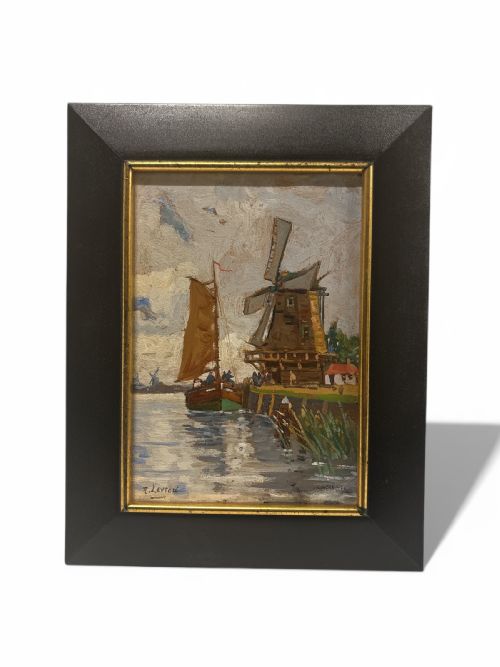
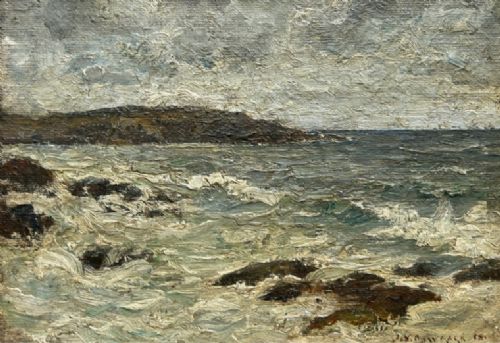
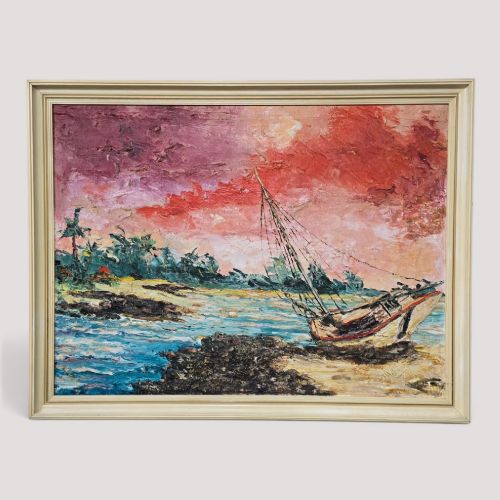
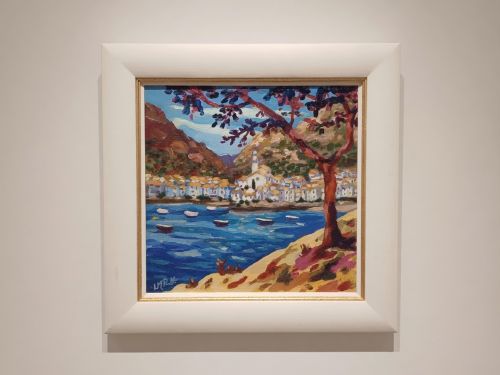
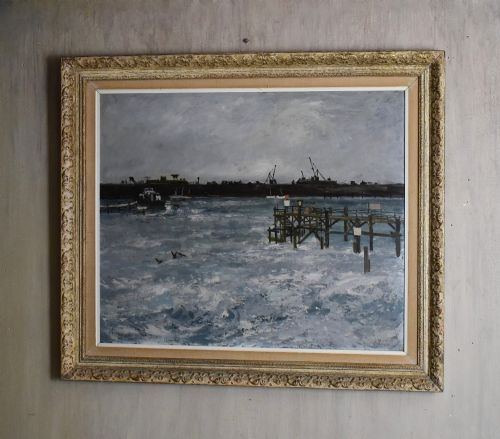
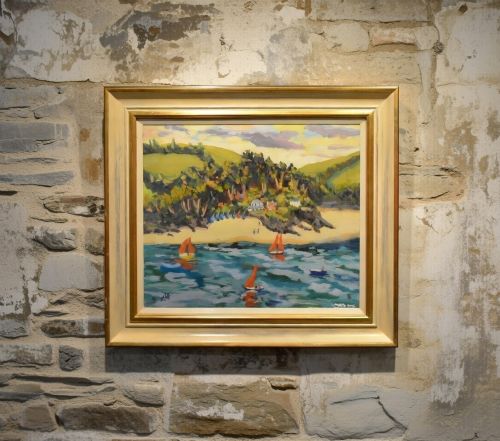
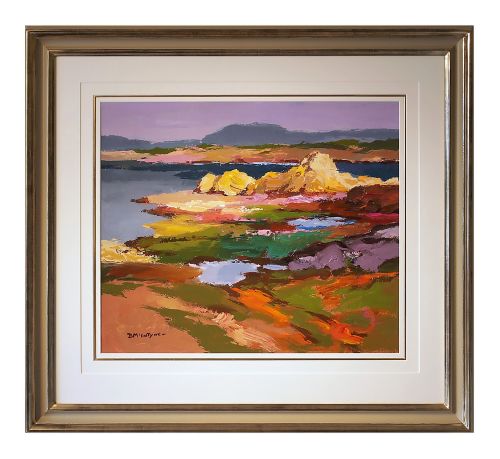
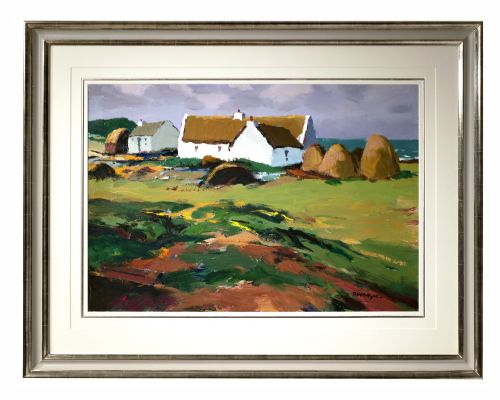
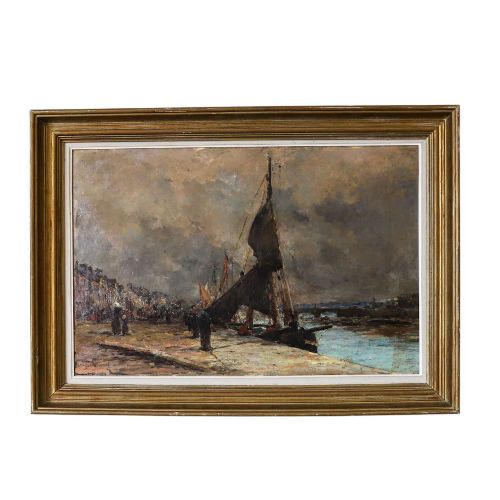
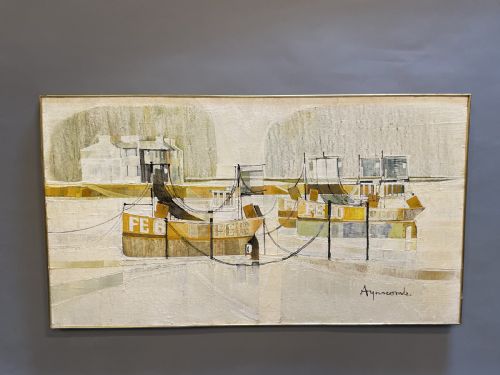
Impasto coastal artwork captures the rugged texture of the shore through thick layers of paint that hold the motion of the sea.
Impasto Coastal Artwork
When you search for impasto coastal artwork, you encounter oil paintings on canvas, board, and panel depicting harbours, estuaries, and maritime scenes. These works span from the nineteenth century through the Edwardian era to the mid-twentieth century, encompassing periods such as the nineteen-fifties and nineteen-sixties.
The selections on this page feature British and French coastal views, ranging from quiet river landscapes to bustling fishing ports and industrial estuaries. Mid-century examples display impressionist, post-impressionist, and modern British influences applied directly to marine subjects.
Materials and technique
Artists apply oil paint directly to canvas, wood, or board, frequently building thick ridges and heavy strokes that remain proud of the surface. This technique allows the pigment to catch the light and create tangible depth across the waves, sails, and shoreline.
Many of these coastal scenes are housed within original gilt frames that complement the painterly texture of the marine subjects. The combination of oil paint and supportive wooden panel or stretched canvas ensures durability across decades of display.
Several canvases capture boats resting quietly on muddy river banks while seagulls watch from above.
Judging the work
Quality rests upon how effectively the pigment conveys the weight of water, the movement of light, and the atmosphere of the coast. Masterful application uses thick paint purposefully to describe form rather than relying on heavy-handed texture alone.
The strength of the composition and the confidence of the brushwork distinguish the finest pieces. Works by established artists demonstrate a command of colour and tone that anchors the maritime scene firmly within its period style.
Kenneth Cozens·R Leyton·Lucy Pratt·Peter Brannan·Donald McIntyre·Helen Layfield Bradley·Jean-Baptiste Olive·Raymond Picque·James Fry·Cecil Rochfort D'Oyly-John·Florence Hess·Edward M. Elliott·Jack R Mould·Ernst Louizor
The Impasto Coastal Artwork Glossary
- Impasto
- A technique where oil paint is laid onto a canvas or board in very thick layers, usually thick enough that the brush or palette-knife strokes are visible.
- Canvas
- A closely woven fabric stretched across a wooden frame to serve as a sturdy surface for oil painting.
- Board
- A rigid flat wooden support used by artists in place of stretched canvas.
- Gilt frame
- A wooden picture surround covered with a thin layer of gold leaf or metallic gilt paint.
- Estuary
- The tidal mouth of a large river, where the tide meets the stream, frequently featured in maritime painting.
Impasto Coastal Artwork: Frequently Asked Questions
Where should I hang coastal art?
Choose a wall with indirect natural light to let the textured oil paint catch subtle shadows throughout the day.
Avoid placing the artwork in direct sunlight or damp areas like unventilated bathrooms to protect the canvas and wood.
Are these paintings original?
Yes, the listings comprise original hand-painted works created directly by the artists using oil paint on canvas, wood, or board.
Each piece is a unique execution rather than a print or reproduction.
How do I identify mid-century pieces?
Look for brushwork and colour palettes aligned with mid-century impressionism, modern British painting, and post-war styles.
Signatures, framing materials, and recorded dates often help confirm the specific decade of creation.