







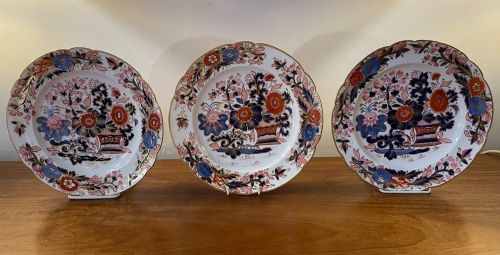

Imari Style Ceramics
These imari style ceramics bring together vibrant enamel palettes and intricate underglaze blue, carrying a centuries-old tradition from Japanese originals straight to English factories.
Imari Style Ceramics
When searching for imari style ceramics, buyers encounter a rich mix of Japanese imports and English interpretations spanning the eighteenth, nineteenth, and early twentieth centuries.
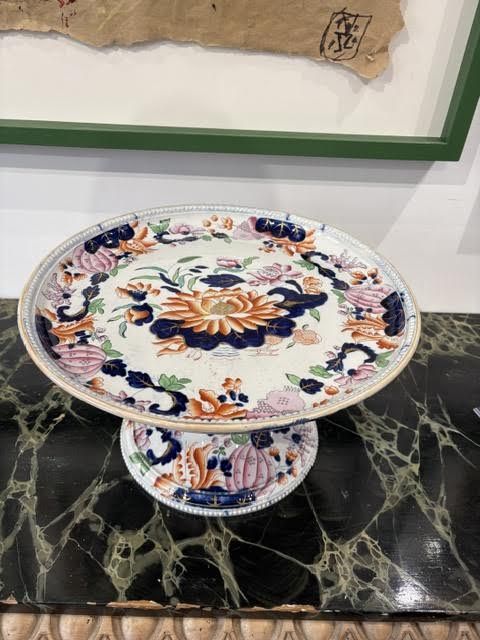
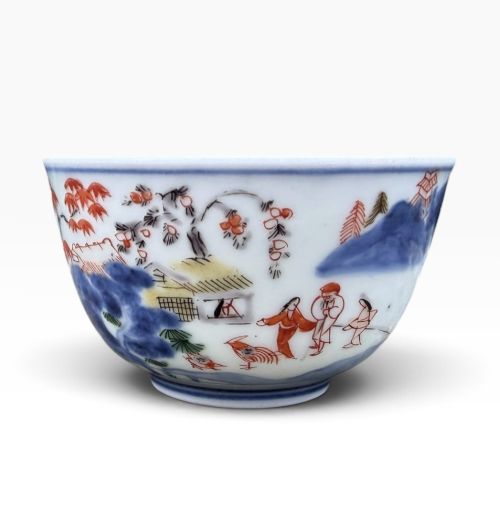
Japanese examples present characteristic Arita chargers, plates, and bowls featuring deep cobalt blue and rust red highlights, while English potteries adapt the palette onto ironstone and porcelain services.
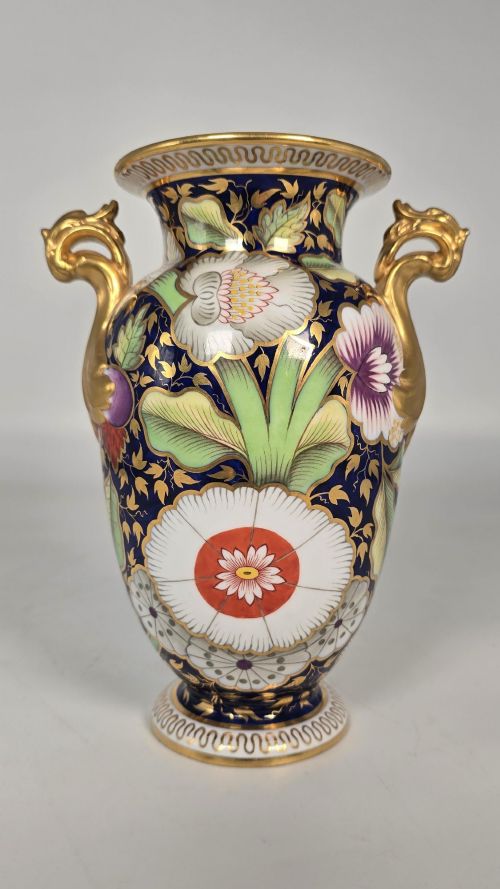
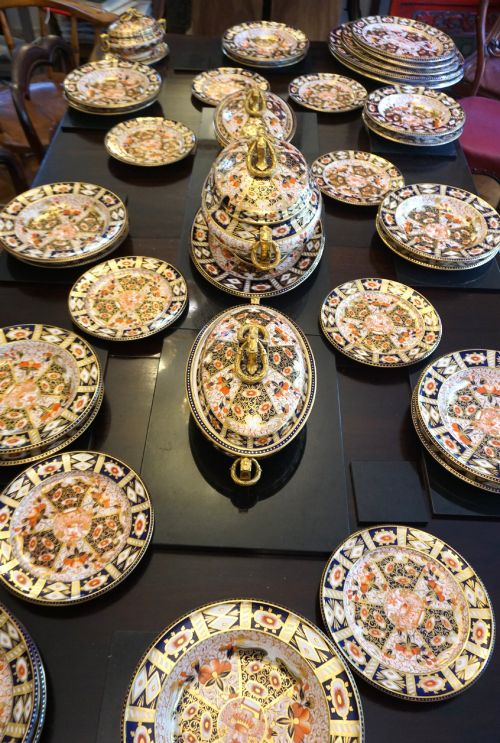
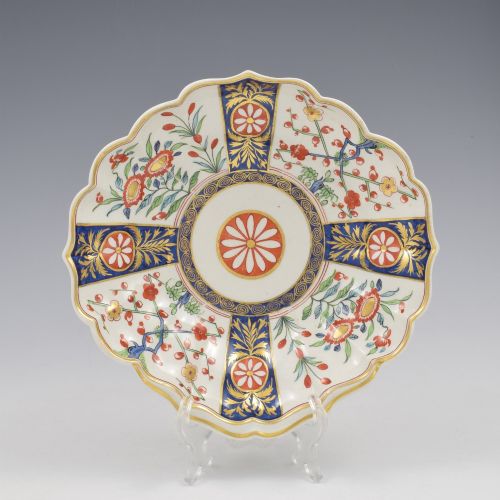
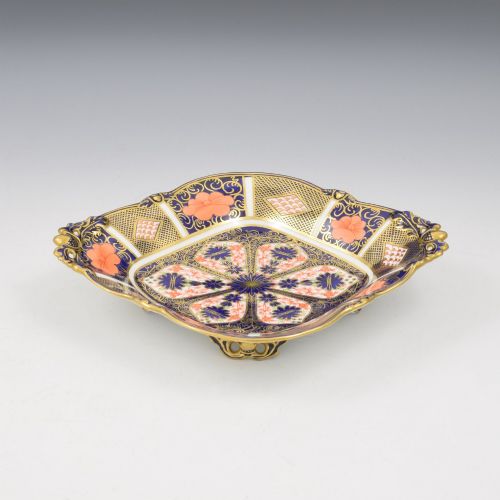
The domestic output ranges from early Georgian Worcester and Davenport tea wares to later Victorian Mason's ironstone jugs and Royal Crown Derby dessert dishes.
Materials and production methods
Potters shape these pieces using ceramic, porcelain, ironstone, and earthenware, applying cobalt blue under the glaze before firing.
Overglaze enamel and gold leaf provide the dense red, green, and gilt details that define the aesthetic across both Asian and British manufactories.
Imari Style Ceramics Retail Price Guide 2026
Typical asking prices for imari style ceramics among the pieces listed under this phrase on Sellingantiques today, from the lower quarter to the upper quarter. They describe what is for sale here now, not the wider market.
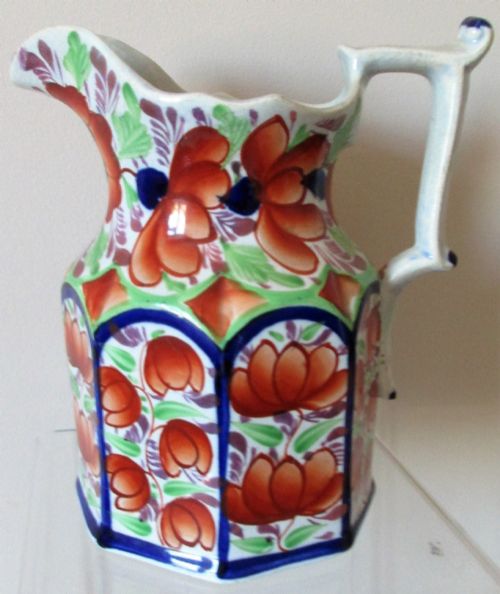
Certain nineteenth-century jugs bear cheerful pattern names like Bethesda and Schoolhouse while displaying fiercely bright oriental motifs.
Assessing quality in the pieces
Quality rests in the crispness of the underglaze blue transfer or hand-painting, alongside the precision of the enamel registration and gilding.
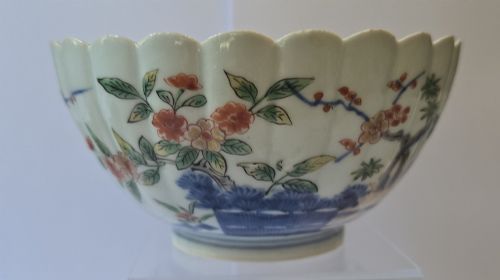
Early porcelain bodies and deeply lobed or scalloped mouldings show greater technical ambition than standard utility earthenwares.
Royal Crown Derby·John Davenport of Longport·Mason's Ironstone·Chamberlain Worcester
The Imari Style Ceramics Glossary
- Imari palette
- A decorative scheme typically combining underglaze blue, iron red, and gilt highlights. This distinctive combination unites pieces made in Japan with those produced by English potteries.
- Ironstone
- A heavy, durable type of earthenware patented in the nineteenth century. It provided a robust surface for colourful imari patterns on jugs, plates, and dinner services.
- Enamel
- Coloured glass paste fused to the ceramic surface during a secondary, lower-temperature firing. It supplies the bright reds and greens characteristic of these wares.
- Gilt
- A thin layer of gold applied to ceramic surfaces for decoration. It frames panels of pattern and highlights moulded edges on serving dishes and plates.
- Charger
- A large decorative plate or platter intended for display or ceremonial service. Japanese examples frequently showcase intricate compartmentalised designs.
Imari Style Ceramics: Frequently Asked Questions
How do I spot Japanese imari?
Japanese imari pieces typically display dense iron-red and cobalt blue floral or brocade motifs on a crisp porcelain body, often featuring unglazed foot rings.
They generally lack European factory marks and rely on distinct potting textures and hand-painted variations typical of the Arita kilns.
What is Gaudy Welsh pottery?
Gaudy Welsh pottery consists of colourful earthenware items decorated with imari-inspired palettes, featuring rich cobalt blue, copper lustre, and iron red.
Potters in Wales and Staffordshire produced these domestic wares throughout the nineteenth century for everyday household use.
Are these items safe for dining?
Many nineteenth-century ironstone and porcelain pieces remain structurally robust enough for occasional table use.
However, nineteenth and eighteenth-century overglaze enamels and gold leaf can wear down with modern detergents, so gentle hand washing preserves the decoration.
How do English imari pieces differ from Japanese originals?
English imari ceramics adapt the traditional Japanese colour scheme onto domestic body types like ironstone and bone china, often utilising factory pattern numbers.
Forms such as soup bowls, hydra jugs, and dessert services reflect specific European dining habits of the Georgian and Victorian eras.